
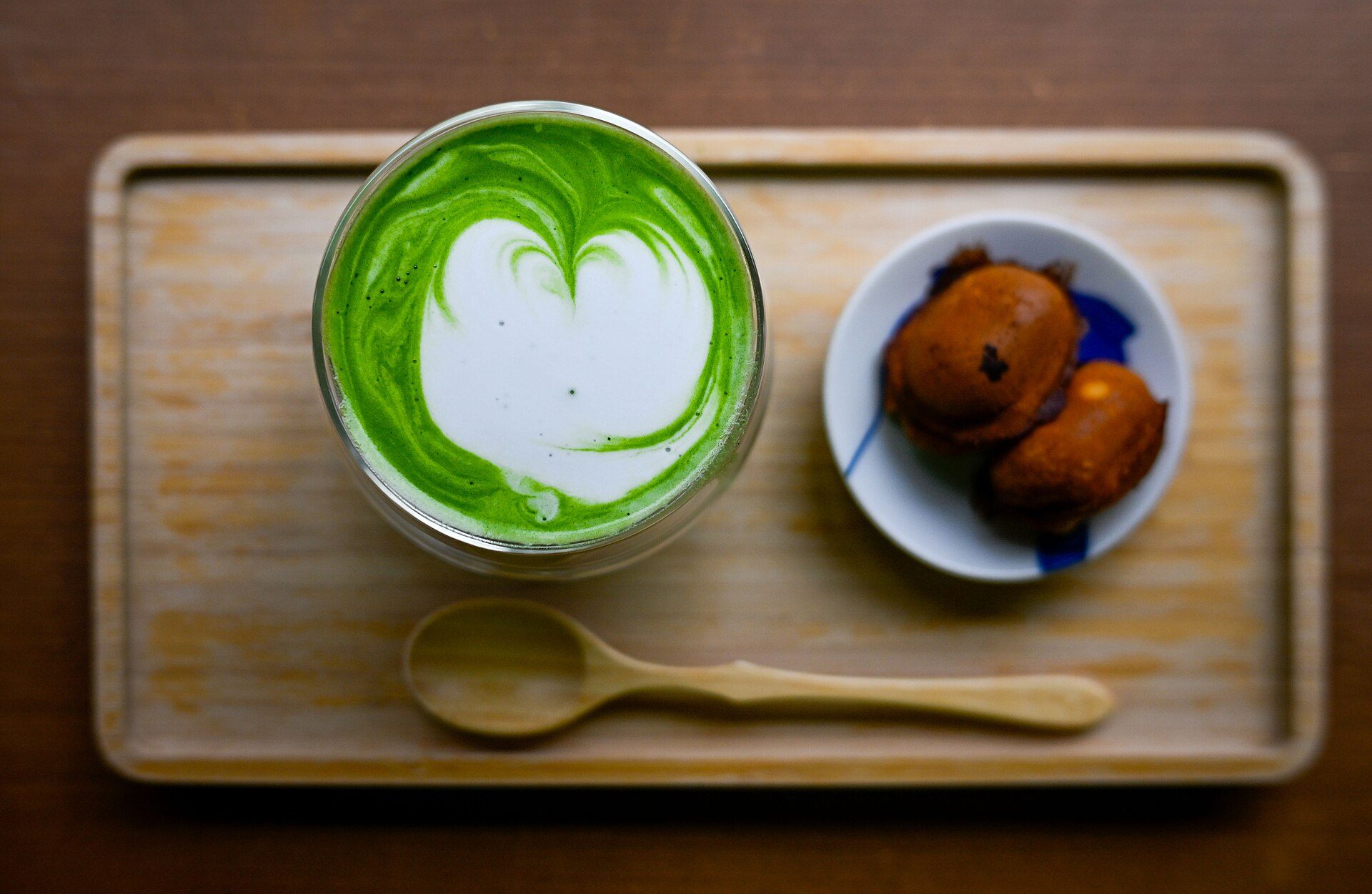
Why matcha desserts in Omotesando turn into a spring lifestyle event
Ever wondered why Omotesando treats like matcha and pistachio get billed as a lifestyle moment every spring? The tree-lined avenue and nearby boutiques create a perfect backdrop, and people treat afternoon tea as an excuse to enjoy sakura season with friends. Sounds good, right?



Fact: Omotesando has long been a trend hub for seasonal menus, from sakura lattes to limited-edition wagashi. That reminds me: hotels and branded cafés schedule releases to coincide with cherry blossom viewing, so limited menus often sell out fast. From my experience, it feels like a short cultural pop-up that everybody wants to see.
The venue: The Strings Omotesando, TAVERN by the green (2nd floor)
What most people don't know is that The Strings Omotesando is located at Kita-Aoyama 3-6-8, Minato-ku, Tokyo, and the afternoon tea is served at TAVERN by the green on the second floor. No exaggeration here: the hotel's modern interior and green terrace windows make it a favourite spot for photo-friendly desserts.
Ambience and location details
Did you know that the area around Omotesando is walkable from Omotesando Station and Gaien-mae Station? To be fair, you should allow extra time on weekends because Omotesando gets busy, especially during spring. Oh, almost forgot: the entrance to The Strings Omotesando faces a quieter side street, which is handy if you're carrying a camera bag or study materials.
Why the second-floor TAVERN by the green matters
Question: why mention the 2nd floor specifically? The second-floor placement gives you slightly elevated views of the greenery outside, and tables near the windows are prime seats for afternoon light. What I especially like is that you can practice descriptive Japanese while you sip, using words like kirei (綺麗, pretty) or atatakai (暖かい, warm). Not bad, right?
What’s on the plate: the Matcha-Pistachio afternoon tea set
Fun fact: modern hotel afternoon tea sets in Tokyo often combine traditional Japanese flavours with Western pastry techniques. That explains why you'll find matcha mousse layered with pistachio praline, petite matcha tarts, and a wagashi-style sweet shaped like a sakura petal.
On the flip side, the set balances bitter matcha (抹茶, matcha) with the creaminess of pistachio, so even visitors who don't usually eat green tea desserts tend to enjoy it. My tip is to try the smallest item first, then move to the richer pieces so your palate resets between tastes.



Menu highlights to look for
What many overlook is presentation. The set often includes at least six items, such as a matcha chiffon cake, pistachio financier, matcha cream puff, seasonal fruit, and a wagashi confection. Highly recommended: pair the desserts with hojicha or a light sencha if matcha's bitterness feels strong. Wild, isn't it?
How this afternoon tea ties into learning Japanese and culture
It's early morning in Kyoto. No, really: thinking about tea rituals helps you spot the language in real-life settings. Vocabulary like matcha (抹茶, matcha), wagashi (和菓子, wagashi), and sakura (桜, sakura) pops up on menus and in conversation, so dinners or tea outings become study opportunities. From my experience, using simple kanji on menus gives you confidence in reading signs and ingredient lists.
If you're a learner, bring a small notebook. That reminds me: jotting down words like kekkou (結構, quite) or omedetou (おめでとう, congratulations) when you celebrate seasonal treats helps retention. To be fair, it's also fine to just enjoy the food and return to studying later.
Practical information and tips for visiting
Question: how do you make the most of it? Reserve ahead, check the hotel's official page, and aim for weekday afternoons if you want quieter seating. No exaggeration: spring menus are short runs, so reservations give you the best chance for window seats.
Fact: The Strings Omotesando runs seasonal campaigns and PR details are published on PR Times and the hotel's site. Oh, almost forgot: bring cash or a card that works internationally, and expect polite service, English-friendly menus at many hotels, and staff who appreciate your effort to speak simple Japanese. Not bad, right?
My tip is to use this outing to practice short phrases with staff, such as 'Oishii desu' (おいしいです, it's delicious) and ask about ingredients if you have allergies. But that's not all.
Frequently Asked Questions
Do I need a reservation?
Short answer: Yes, reservations are strongly recommended for seasonal afternoon tea sets.
Is the menu available all spring?
Short answer: Menus are usually limited to a few weeks or months during spring, so check hotel announcements.
Is English available at the venue?
Short answer: Many hotel cafes provide English menus and staff who can help, but simple Japanese phrases are appreciated.


