If you’re planning a winter trip, this is one of those Hokkaido updates that can shape your whole route. A few sites are easy to pair with ski days, while others work better as evening detours after train travel, hot springs, or a stay in a ryokan.
Hokkaido's winter light season starts early
Hokkaido doesn’t wait until Christmas to turn on the atmosphere. In Sapporo, the White Illumination season runs from November 20 to March 14 overall, with different sites ending at different times, according to travel coverage based on local event information. That long schedule makes it easier to catch at least one display even if your trip falls after the holiday rush.

December is also when winter feels properly established across the island. Climate normals for Sapporo cited in a Hokkaido travel guide put the average daily high at 2.0C and the low at -4.0C, with 113 cm of snow in an average December. That combination matters, because the snow is part of the visual design, not just the weather you have to endure.
For Japanese learners, this is a good season to pick up words you’ll hear often in winter travel content: 雪 (yuki) for snow, akari for light, and 子犬 (koinu, puppy)-like soft phrases such as 静かな夜 (shizuka na yoru) for a quiet night. Those words show up constantly in descriptions of Hokkaido's winter scenes.
Sapporo White Illumination is the easiest place to start
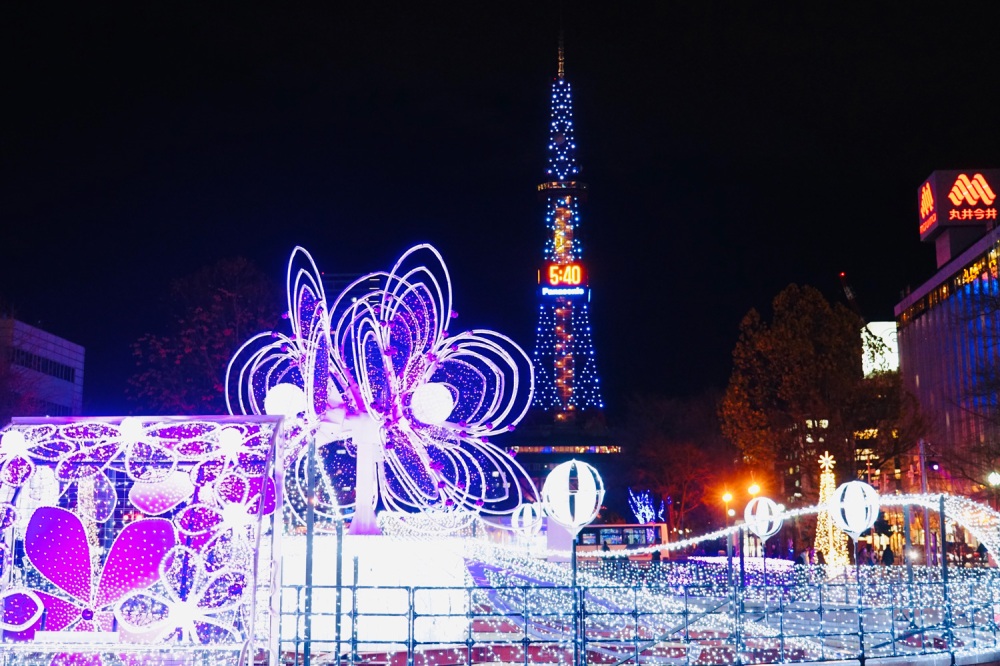
Sapporo White Illumination is the best-known winter light event in Hokkaido, and it spreads across multiple city spots instead of staying in one park. Odori site runs from November 20 to December 25, Ekimae-dori site continues until February 11, and other locations including Minami 1-jo stay lit until March 14, according to the event schedule cited in travel reporting.
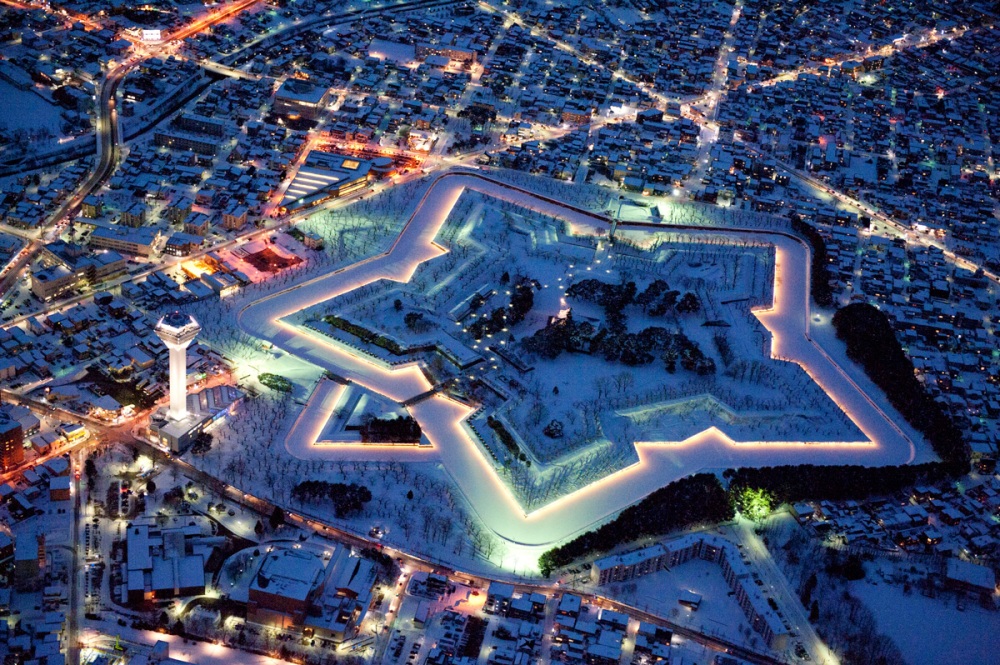
That staggered ending is useful if you want to combine sightseeing with a Christmas market, ramen, or a short city break. My tip: if your trip is in early December, focus on Odori for the strongest seasonal feel, then leave later sites for a second evening stroll after dinner.
What makes Sapporo work so well is scale. The city lights aren’t trying to imitate a theme park, they use streets, trees, and open public space, so the glow feels tied to the city itself. For a Japan fan, that’s a nice contrast with the compact, lantern-heavy look of many smaller winter events.
Useful timing for Sapporo visitors
If you’re staying near Sapporo Station, Ekimae-dori is the most convenient stop. If you have more time, Odori gives you the broadest city-view atmosphere, while the longer-running sites are better for travellers who want to return after the holiday period without missing the season completely.
Otaru, Biei, and Hiroo add very different winter moods
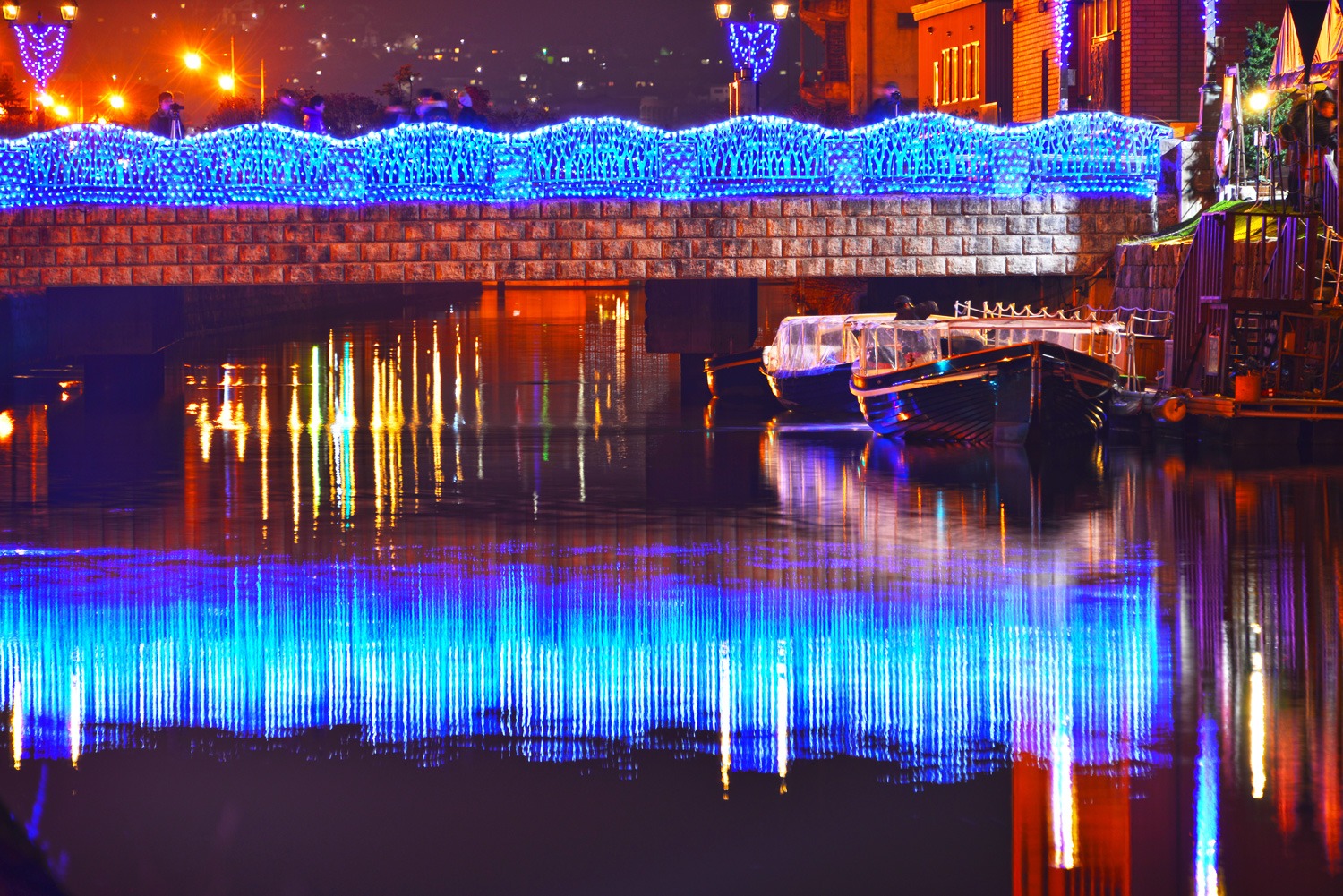
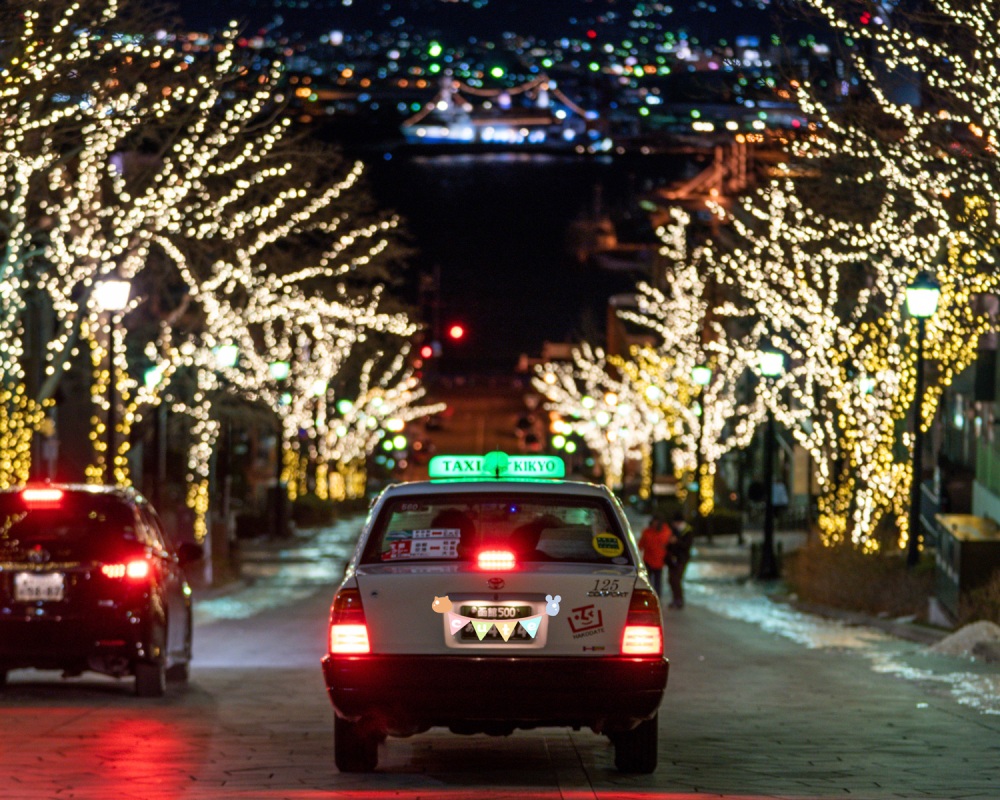
On a related note, Hokkaido's other winter illuminations are interesting because they don’t all feel the same. Otaru is the classic canal city, and winter light there tends to feel warm and golden against the snow, which suits the town's historic streets and slower pace.
Biei is the place to look for a more dramatic natural backdrop. Shirahige Waterfall, known in English as White Beard Waterfall, is especially striking because steaming thermal water drops into the icy Biei River, then gets lit against frozen icicles and snowy rock faces. That kind of contrast is exactly why winter travel in Hokkaido leaves such a strong impression.
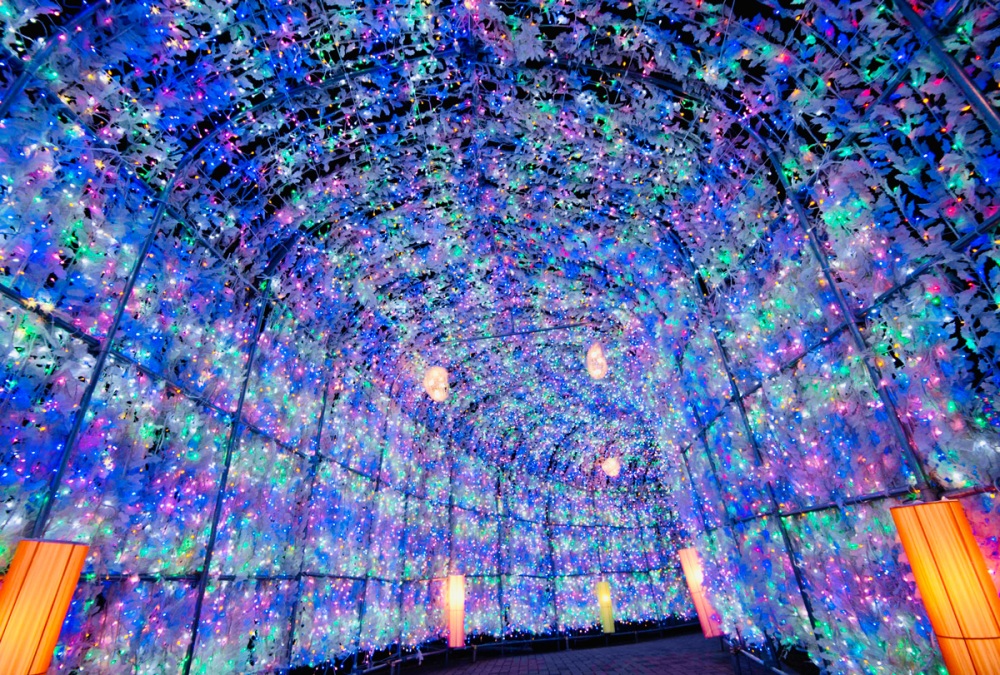
Hiroo Santa Land is the most playful of the group. Travel coverage says it uses 150,000 LEDs and 10,000 wooden lanterns, so the scale is clearly part of the appeal. It sounds like the kind of place that suits families, Christmas-season road trips, and travellers who want a brighter, more festive stop outside the usual Sapporo-Otaru route.
Which one fits your trip best?
If you want the simplest city outing, choose Sapporo. If you want romance and old-town scenery, Otaru is the stronger pick. If you want snow, steam, and a more dramatic landscape, Biei stands out. Hiroo is the one to add when you want a bigger seasonal spectacle and don’t mind going off the standard tourist track.
How to plan a winter illumination trip in Hokkaido
Hokkaido in winter rewards slow, practical planning. Evening temperatures can drop fast, trains and buses may be less flexible after dark, and the best illumination photos usually come when the sky is fully dark but the snow still reflects the light. That means checking opening dates, transport times, and where you can eat after your visit.
For language learners, this is also a good chance to practise useful travel vocabulary in context. Words like 駅 (eki, station), 電車 (densha, train), 夜 (yoru, night), and 道 (michi, road) appear all the time in route planning, while phrases like 近い (chikai) for close and tooi for far help when you’re deciding whether to add one more stop before heading back. It’s a small way to make real travel planning feel like study, not homework.
Seriously though, the best winter illumination route is often the one you can actually finish comfortably. A shorter evening in Sapporo plus one secondary stop is usually better than trying to cram in too many snowy detours, especially if you’re also skiing or moving between cities.
In pictures
Frequently Asked Questions
When does the main Sapporo illumination season run?
According to travel reporting based on local schedules, the Sapporo White Illumination runs from November 20 to March 14 overall, with different sites ending on different dates.
Which illumination is best for first-time visitors?
Sapporo is the easiest first stop because it has multiple sites, good access, and a long season.
Can these illuminations fit into a ski trip?
Yes. Sapporo and nearby areas work well as evening add-ons after skiing, hot springs, or city sightseeing.
Sources
- Visit Hokkaido - Must-see winter illuminations in Hokkaido
- Hokkaido in December 2026: Weather, Snow, Skiing and Christmas Lights
- Japan Winter Illuminations 2026–27: Tokyo, Osaka, Kobe and Sapporo from Christmas to Lunar New Year, with a Luggage Plan
- Hokkaido Weather in December 2026: A Magical World of Snow and Lights
- Japan’s Hiroo Santa Land in Hokkaido Comes Alive with 150,000 Dazzling Lights and 10,000 Wooden Lanterns as Christmas Tourism Begins - Travel And Tour World
- Hokkaido Travel Guide for First-Time Visitors in 2026/2027