
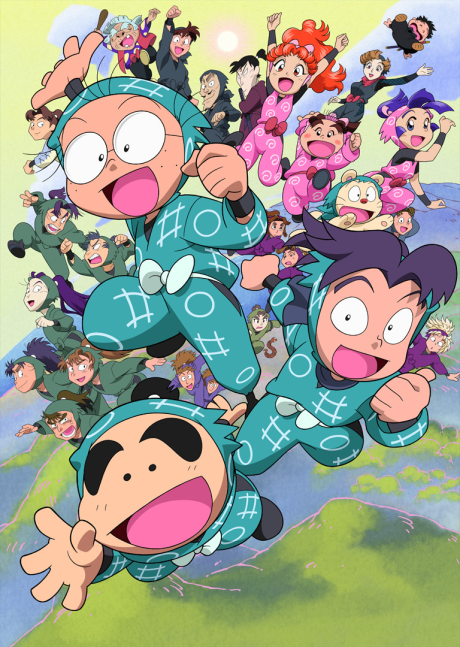
What I like here is the balance between everyday leisure and character culture. This isn’t just merch for collectors, because the setting itself adds another layer. If you enjoy Japanese pop culture, and you also like learning how brand collaborations work in Japan, this one’s worth a closer look.

Nintama Rantaro meets two very different leisure spaces
According to arma bianca’s press release, the collaboration links Nintama Rantaro with both HANA BIYORI and Yomiuriland, with orders starting on 26 October 2026 through AMNIBUS. That matters because these are not abstract brand names. HANA BIYORI is a flower and lifestyle space, while Yomiuriland is one of Tokyo’s better-known amusement parks. Put together, they give the anime a setting that feels playful, seasonal, and very Japanese.
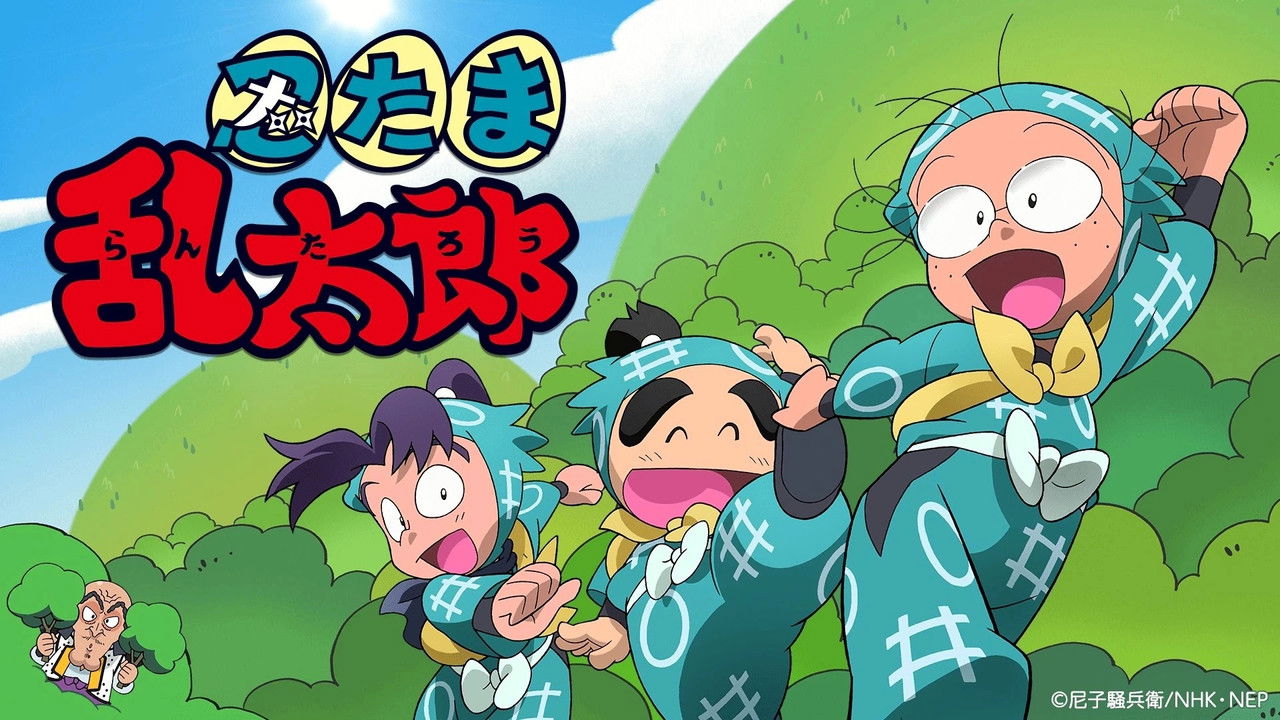
Let’s be honest: Japanese collaborations often work best when the partners seem slightly unexpected at first glance. Then you look again, and it clicks. Nintama Rantaro, with its school-life humour and historic ninja setting, fits neatly into spaces that already lean on atmosphere, family visits, and character-driven design. That mix is part of the appeal.
For Japanese learners, this is a nice little vocabulary moment too. Words like 協力 (kyouryoku), meaning collaboration, and 予約 (yoyaku), meaning reservation or pre-order, show up constantly in Japanese pop culture news. They’re simple terms, but they open the door to reading release notices with much more confidence. Not bad, right?
Why this kind of collaboration keeps working
The reason is simple: Japan is very good at turning a property into an experience, not just a product. With anime, that can mean a cafe, a photo spot, a seasonal event, or a limited merchandise run. With a place like Yomiuriland, the character tie-in can make a regular visit feel more thematic. And with HANA BIYORI, the floral setting adds a softer, more reflective tone.
Quick detour: Nintama Rantaro has been around for a long time, and that longevity matters. The series has remained familiar across generations, which gives it an unusual kind of flexibility. It can speak to children, nostalgic adults, and collectors without feeling forced. That’s harder to do than it looks.
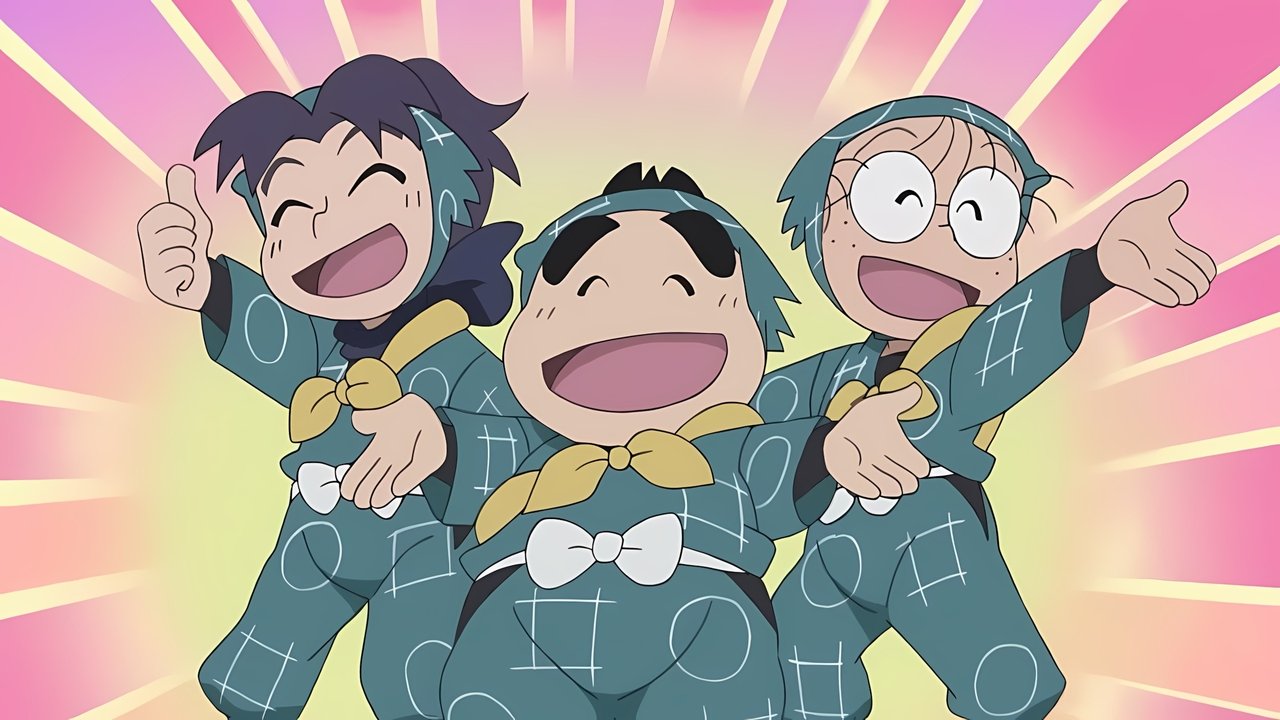
What I especially like is how this kind of project sits at the meeting point of three habits of Japanese leisure culture: seasonal outings, character goods, and limited-time events. You don’t need to be a hardcore fan to understand the logic. You just need to know that in Japan, a day out and a piece of merchandise often belong to the same story.
AMNIBUS and the merchandise angle
AMNIBUS is the retail side of this collaboration, and that is where the news becomes concrete. The site specialises in original goods based on anime and manga, so the partnership isn’t just decorative. It’s built around items made for fans who want something tied to a specific campaign, not a generic souvenir.
Hand on heart: this is one of the most interesting parts of Japan’s character economy. A collaboration like this doesn’t stop at a poster or a logo. It becomes a system of pre-orders, limited designs, and themed goods that reward attention. For learners, that is useful because it gives you a real context for words like goods, event, and original illustration in Japanese media coverage.
My tip: if you are reading Japanese press releases, look for the structure rather than trying to translate every line perfectly. First find the property name, then the partner, then the sales channel, and finally the dates. That is usually enough to understand the news quickly. Here, the core facts are clear: Nintama Rantaro, HANA BIYORI, Yomiuriland, and AMNIBUS are the four names that define the story.
And that is what makes this collaboration more than a simple product announcement. It shows how Japanese entertainment brands move across spaces, from anime to parks to online retail, without losing their identity. Sounds subtle, but it’s actually a very sturdy model.
If you are building your Japanese-reading skills, stories like this are perfect practice. They are short, practical, and full of repeatable terms. They also show how Japanese fan culture is often less about one giant headline and more about a network of small, carefully connected experiences.
This is your chance to spot that pattern for yourself. Spreading my love and admiration for Japanese culture to the rest of the world is part of why I keep following these crossovers, and this one has that quietly clever energy I always notice in Japan. There’s always something more to explore.
In the end, this collaboration is a neat example of how anime, leisure spaces, and merch can support each other. My verdict: compact news, but with real cultural texture. And that makes it worth paying attention to.
Frequently Asked Questions
What is this collaboration about?
It is a merchandise collaboration between Nintama Rantaro, HANA BIYORI, Yomiuriland, and AMNIBUS.
When did the pre-orders start?
According to the press release, orders started on 26 October 2026.
Why is this collaboration interesting for Japan fans?
It combines anime branding with a flower park, an amusement park, and limited goods, which is a very common and very Japanese way to build an experience.


