Overview
When people talk seriously about onsen, they are often talking about things most first-time visitors only notice after a few minutes in the water: smell, texture, clarity, and the way the bath seems to move around you. 清度 (seido), meaning freshness or liveliness, is the word that captures that quality. It refers not just to how recently the water came from the source, but to how much it has been replaced, how much it has been allowed to sit, and whether the bath still feels alive. That may sound a little poetic, which is fair; Japan does enjoy giving practical things a compact term and then letting the rest of us dorks catch up.
The useful part is simple. Strong flow and high turnover can make the same temperature feel sharper, cleaner, and more vivid. Water that has kept moving often feels different from water that has sat in a tank for hours. The difference is subtle in some baths and obvious in others, but it is real enough that onsen regulars pay attention to it. If you want a practical way to think about quality, start there: not with the brochure, but with the movement of the water itself. And if you want to read more about why that movement matters, this Onsen Freshness and Flow guide is built around exactly that point.
What seido means in an onsen context
Seido is often translated as freshness, but that does not quite cover it. In bathing culture, it also carries the sense of liveliness, as if the water still has a pulse. A spring that is being replenished continuously tends to feel more vivid than water that has been left sitting. The body notices this before the mind does. You enter, and the water either feels a little sharp and clean, or it feels muted, maybe even heavy. Same temperature. Different presence.
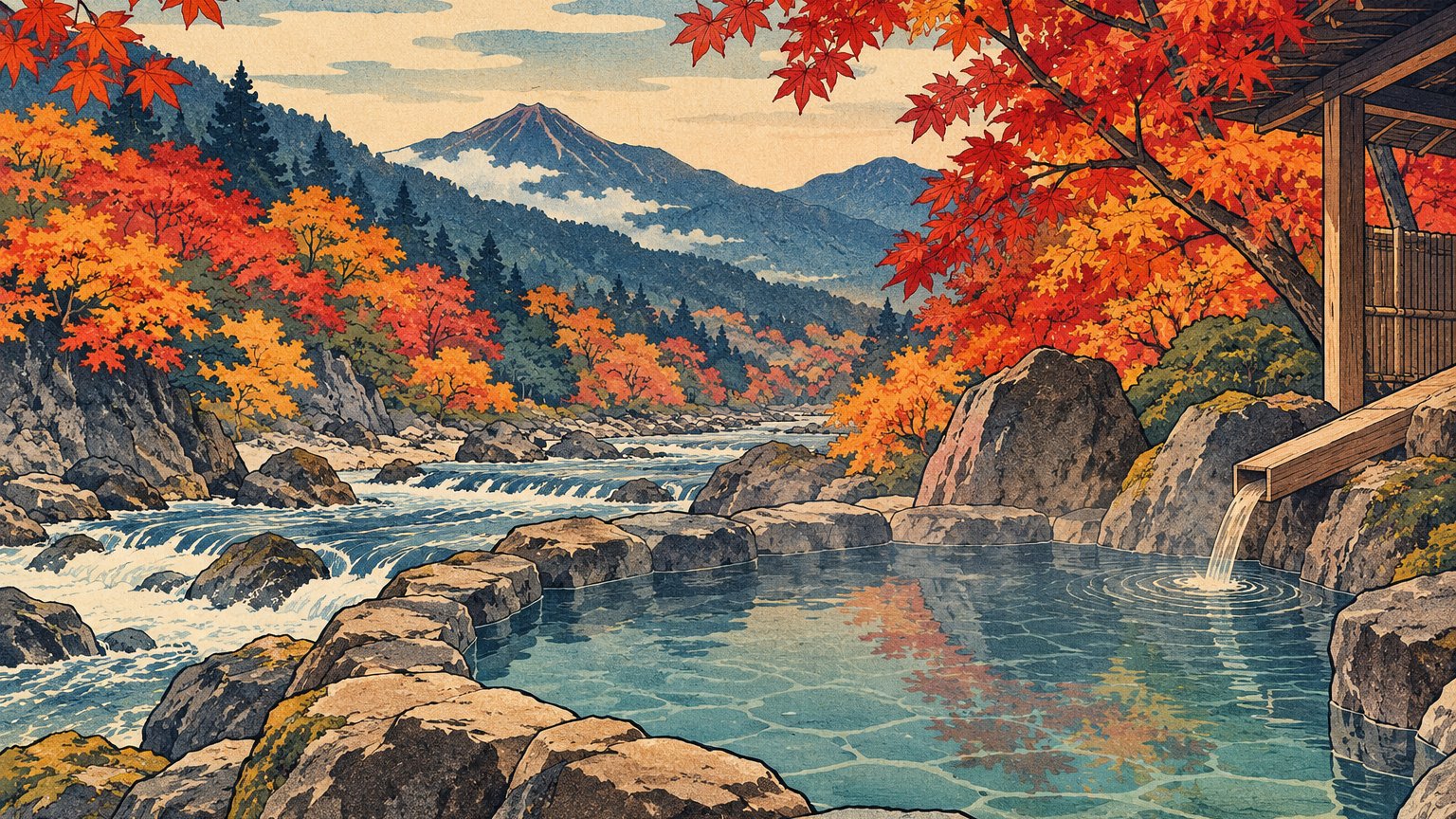
This is why onsen culture cares so much about the relationship between source, movement, and use. Freshness is not a cosmetic label. It changes the bath itself. A bath with strong flow may carry a brighter mineral scent, a clearer texture, and a more direct sensation on the skin. By contrast, water with little turnover can feel flat, even if the mineral content is unchanged. That distinction is part of how locals and seasoned bathers talk about the texture of place, and it is one of the reasons onsen remain such a serious part of Japanese daily life rather than a decorative side outing.
How flow and turnover shape the bathing experience
Flow matters because water is not static once it reaches the bath. It arrives from a source, moves through pipes or channels, enters a tub, cools or stays hot, and may be replaced at varying rates. A bath with strong turnover tends to feel more immediate. There is less sense of old water resting in the background, less dullness around the edges. That can make the experience feel cleaner, even when the water is mineral-rich and visually plain.
The main practical term you will see is 掛け流し (kakenagashi), which means water flowing continuously through the bath rather than being heavily recirculated. Not every place uses the term in exactly the same way, and not every bath labeled this way is identical, but it is a strong clue that the onsen places value on turnover. For visitors, this matters because two baths at the same temperature can produce very different sensations. One may feel crisp and animated; another may feel soft, settled, almost sleepy. Neither is automatically better. But if you care about freshness, kakenagashi is worth noticing.
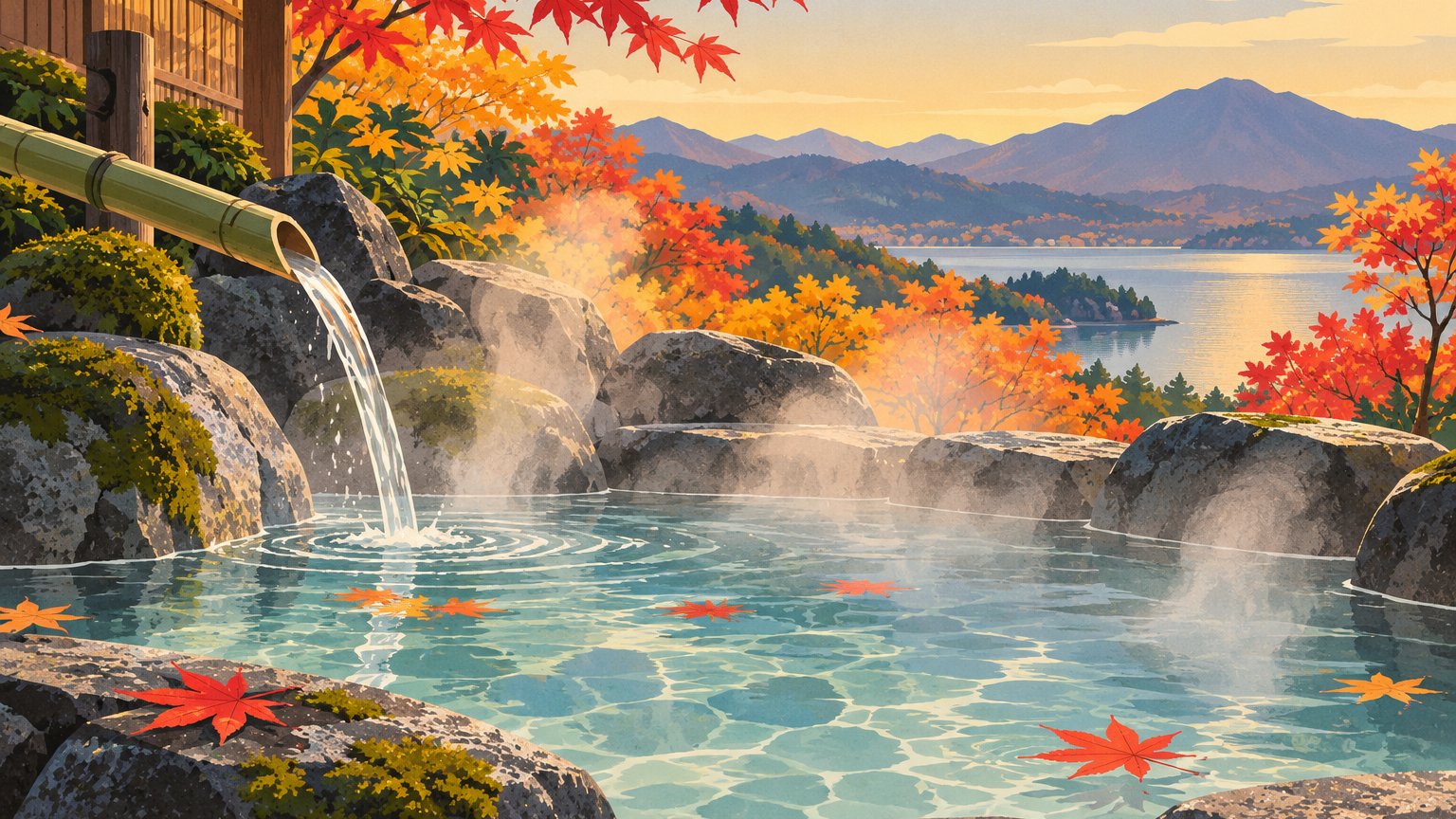
There is also a sensory angle that is hard to fake. Water that keeps moving often has a little more life to it: a brighter mineral note, a cleaner skin feel, a more immediate response from the body. Water that has been sitting can still be fine, even luxurious, but it can lose that sense of active renewal. The bath becomes less a spring and more a container. That is the whole point, really. Movement changes meaning.
Reading the onsen analysis sheet before you bathe
One of the most useful documents in any bathhouse is the onsen 分析書 (bunseki-sho, analysis sheet with water quality details), the water analysis sheet usually posted in the changing room or nearby. Read it. Seriously. It tells you the minerals in the water, the temperature, and whether the bath uses naturally sourced hot spring water. That is not trivia. It is the practical key to understanding why one bath feels different from another.
The sheet helps explain what your body is actually meeting. Mineral composition can influence smell, skin feel, and the general character of the water. Temperature matters, of course, but it does not tell the whole story. A 42-degree bath with one mineral profile can feel quite unlike another 42-degree bath with a different source or flow style. If you are trying to make sense of why a place feels a little sharp or a little soft, the analysis sheet is the place to start. There is a nice, methodical pleasure in this. A bath stops being vague and becomes legible.
For anyone interested in the practical side of Japanese bathing culture, this is also where a little reading helps. If you are looking at a post-bath comparison, or trying to understand the language on a local 旅館 (ryokan, traditional Japanese inn)’s wall, the analysis sheet is the most direct clue available. It is less romantic than a steam-filled fantasy, and more useful. That counts for something.
Why different famous baths feel so different
People often hear the names of well-known onsen and assume the difference is mostly reputation. It is not. Places such as Kusatsu, Yufuin, or a small ryokan near Tokyo can feel dramatically different because their water chemistry, source behavior, and turnover are different. The analysis sheet tells part of that story; seido tells another part. Put together, they explain why one bath may feel brisk and clear while another feels soft and enveloping.
This also helps make sense of the wide scale of hot spring culture in Japan. The country has about 25,000 hot springs and around 3,000 facilities that use natural thermal water. That is a lot of water, and an even larger amount of variation. You do not need to visit all of them to understand the principle. You just need to remember that the label on the building is not the whole story. The source matters. The flow matters. The bath’s liveliness matters.
Where to experience these differences in Japan
If you want to experience onsen freshness in a practical way, go where the details are made visible. Large hot spring towns often display clear information about the source and the bath itself, while smaller ryokan may be especially attentive to the identity of their water. A good place to start is any bath that posts a clear onsen bunseki-sho and identifies whether the water is kakenagashi or otherwise continuously refreshed. Those are the places where you can compare the paperwork to the physical sensation, which is the fun part.
In Japan, this is not an abstract exercise. It is something you do with your body. Wear the lightest load possible, keep your expectations simple, and let the water tell you what it is doing. If the bath feels sharp, clean, and vivid, you are probably meeting strong flow and good turnover. If it feels flatter, you are likely meeting water that has settled. Both are legitimate states. One is just more alive.
For readers who want a more direct practical reference on the changing-room side of things, this companion piece on Onsen-Analyse: Umkleide-Checkpoints vor dem Bad focuses on the pre-bath checkpoints that matter most. That is where the information lives, before the body does the final checking.
How to read the clues without overthinking it
You do not need to become a chemist, and you do not need to turn a bath into homework. Start with three things: whether the place identifies a natural source, whether the water is described as flowing or continuously refreshed, and how the bath feels when you enter. If the water has a vivid smell, a crisp skin feel, and a sense of motion, that is usually enough to know you have found a place that values freshness.
There is a quiet discipline to this kind of bathing. It rewards attention, not performance. The bath either feels alive or it does not. You notice. You move on. More soon.
Frequently Asked Questions
What does seido mean in onsen culture?
Seido refers to the freshness or liveliness of the bath water, especially how recently it came from the source and how much it has been replaced.
What does kakenagashi tell me about an onsen?
Kakenagashi suggests that the spring water flows continuously through the bath, which usually points to stronger turnover and a more vivid feel.
Why should I read the onsen bunseki-sho?
The onsen bunseki-sho lists the minerals in the water, the temperature, and whether the water comes naturally from the source, so it helps explain why a bath feels the way it does.
Do all onsen in Japan feel the same?
No. Japan has about 25,000 hot springs and around 3,000 facilities that use natural thermal water, so source, flow, and mineral composition vary widely.
Where can I notice onsen freshness most clearly?
You are most likely to notice it at places that clearly post the analysis sheet and identify their flow style, especially in major hot spring towns or smaller ryokan that take the source seriously.