Overview
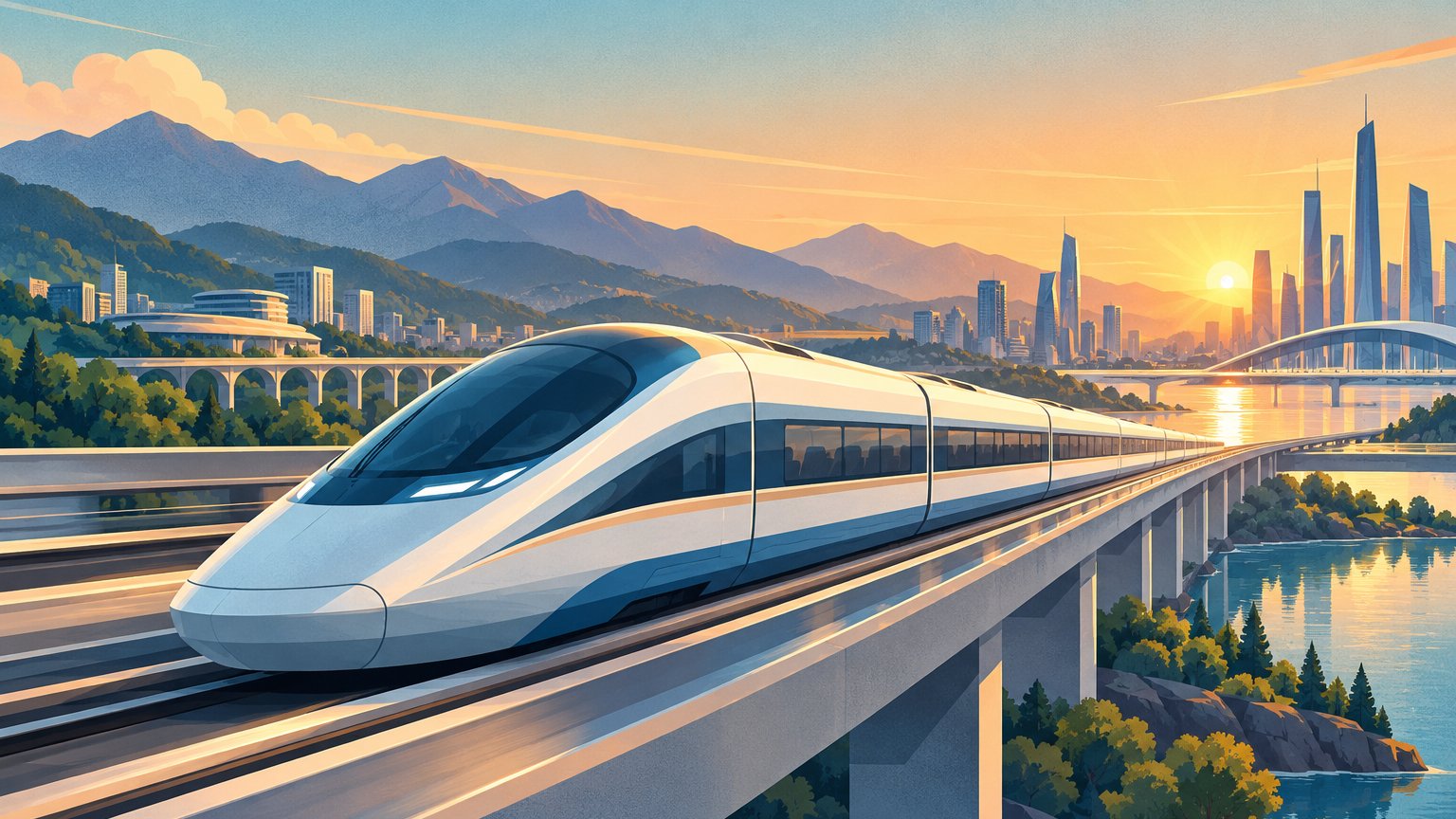
When people talk about the Super 新幹線 (shinkansen, bullet train; high-speed rail), they are usually talking about Japan’s push toward a faster, quieter, and more automated bullet train era. It is not a single train already everywhere on the map, but a set of development projects, test vehicles, and manufacturing upgrades that point toward what the next generation of the Shinkansen could become. And that is part of the fun, honestly… you get to watch the future take shape in public.
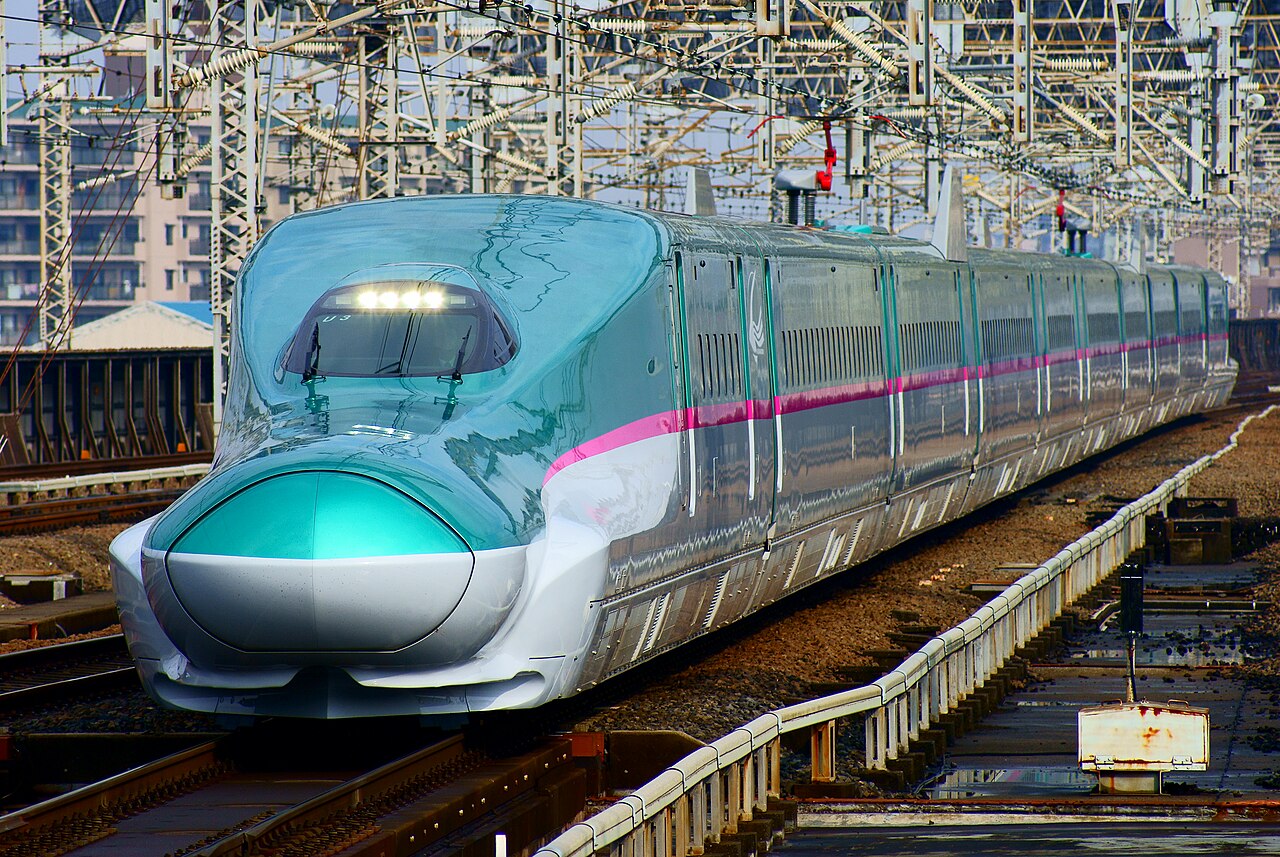
The two names that matter most here are ALFA-X and S0 Shinkansen. ALFA-X is JR East’s 10-car experimental test train, first revealed in May 2019, while the S0 Shinkansen is JR Tokai’s planned successor to the N700S. Together they show how Japan is balancing speed, safety, and comfort, with the 改善 (kaizen, continuous improvement) spirit of constant improvement pushing the whole system forward. If you are new to this kind of rail coverage, kaizen means continuous improvement, and it fits perfectly here.
There is also a practical side that often gets overlooked: the supply chain. A purpose-built factory associated with the Tsubame-Sanjo area in Niigata prefecture has been highlighted as a critical hub for next-generation Shinkansen components, including precision car bodies, bogies, and traction equipment. That means the Super Shinkansen story is not just about sleek trains gliding past platforms. It is also about fabrication, materials, and the careful work happening far from the headlines. Very Japanese, in the best way.
For travelers and rail fans, the best way to engage with this topic is through rail museums, station-side observation, and Shinkansen journeys on the Tokaido and Sanyo corridors once future rolling stock enters service. If you want deeper background on the engineering direction, the behind-the-scenes look at the next Super Shinkansen generation is a useful companion read.
ALFA-X and the test phase behind the headlines
ALFA-X is the most visible experimental platform in this story. JR East built the 10-car train to evaluate technologies for future high-speed fleets, and its design choices make the purpose very clear. Some end cars use 22-metre nose sections to reduce aerodynamic drag and tunnel boom, which is one of those wonderfully specific rail problems that suddenly feels larger than life once you notice it. A nose shape is not just style here; it is physics, noise control, and passenger comfort all working together.
The train is also testing active suspension, new bogie damping, and prototype pantograph shapes to reduce noise at high speed. The bogie is the wheel-and-axle assembly under the car, and the pantograph is the roof-mounted arm that draws power from overhead lines. In other words, ALFA-X is not chasing speed alone. It is trying to make high speed feel calmer, cleaner, and less disruptive for cities, tunnels, and nearby communities.
Another important part of the test program is digital control. ALFA-X is evaluating systems for traction and braking integrated with Japan’s ATC signalling so trains can support higher continuous speeds while keeping safety margins intact. ATC stands for automatic train control, and in this context it helps the rail system manage speed without losing the discipline that makes Japanese rail travel feel so remarkably ordered. It is the kind of engineering work that does not always look glamorous, but absolutely shapes the ride.
What the planned S0 Shinkansen changes
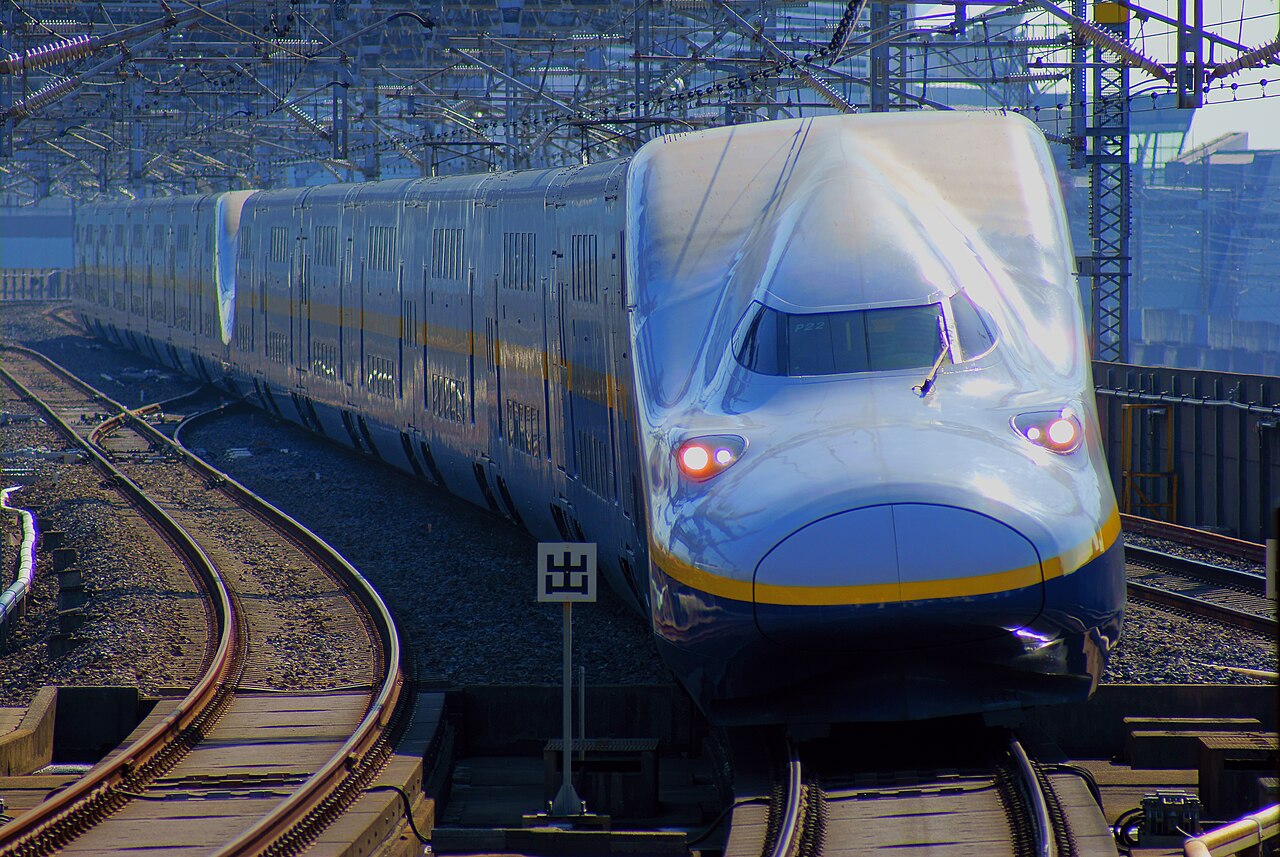
The S0 Shinkansen is planned as the successor to the N700S and is expected to bring automated acceleration and braking to the Tokaido Shinkansen. JR Tokai plans to introduce it in July 2029 as its first Tokaido Shinkansen with automated control for speed and stopping after departure. That is an important distinction: the driver remains onboard and continues to handle important responsibilities, even as the train automates parts of the motion profile. So this is not a driverless fantasy. It is a careful shift in workload and precision.
For passengers, the practical promise is smoother operation and more consistent high-speed running. For rail operations, it means systems that can help standardize speed control and stopping behavior while preserving human oversight. That balance is a big part of why the S0 matters. It shows how Japan tends to adopt automation: not as a dramatic replacement for people, but as a way to support them. A little おもてなし (omotenashi, Japanese-style hospitality; attentive service), the hospitality mindset, but in engineering form.
The S0 is planned for service on the Tokaido and Sanyo Shinkansen lines, so its influence is likely to be felt across the most important high-speed corridor in Japan. If you are following the broader development story, it is worth keeping an eye on JR Tokai’s next-gen work alongside JR East’s experiments. And for readers who like the technical side, the report on JR Tokai developing the self-controlled S0 Shinkansen adds helpful context.
Why speed is only part of the story
The headline number people often notice is speed. ALFA-X is intended to trial speeds of 360 to 400 km/h, which sounds thrilling, and it is, but the deeper story is what it takes to make that speed practical. Higher speed means more aerodynamic resistance, more stress on components, more need for noise reduction, and more precise control. So the real challenge is not just going faster. It is sustaining performance without making the environment louder or the service less stable.
That is why so much of the Super Shinkansen effort focuses on tunnel boom, pantograph noise, and vibration control. It is also why the materials and factory side matters so much. A purpose-built facility worth roughly 300 million dollars has been highlighted as a critical supply hub for next-generation Shinkansen parts, including precision car bodies, bogies, and traction equipment. The factory’s investment in automated welding, aluminium-lithium alloy forming, and composite assembly cells for nose cones shows how advanced rolling stock is built from a long chain of specialized processes, not just one dramatic reveal.
If you like learning the Japanese terms that often appear around this topic, a few useful ones are shinkansen, meaning bullet train; 電車 (densha), meaning train in everyday speech; 材料 (zairyo), meaning materials; bogi, meaning the wheel assembly under the car; and 活動 (katsudo), meaning operation or activity in a technical context. And if you are studying the topic in Japanese, searches like Super Shinkansen kanji or Super Shinkansen japanisch lernen can help you find rail-specific vocabulary used in articles, videos, and museum displays. That can turn a simple rail story into a very usable language study topic.
Where to experience the future of Shinkansen in Japan
You cannot ride ALFA-X as a public passenger service, because it is a test train, but you can still experience this future-facing rail world in Japan in a few practical ways. The most obvious is to travel on existing Tokaido or Sanyo Shinkansen services and pay attention to the quiet precision of the ride itself. Even before S0 arrives, you are already inside a rail culture that treats speed, punctuality, and comfort as a single system rather than separate goals.
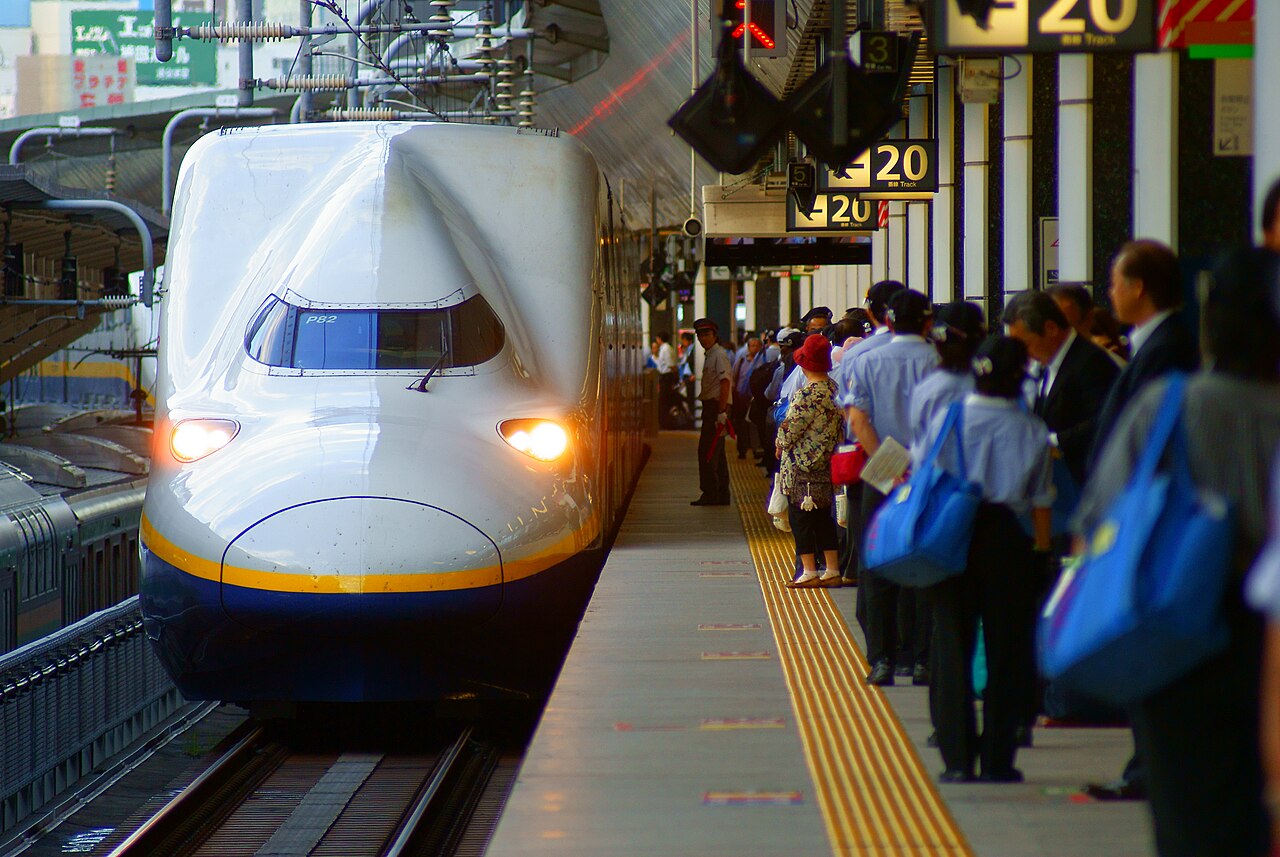
Rail museums and large station areas are also useful places to see model displays, historical materials, and occasionally trainspotting vantage points where future concepts feel a little more tangible. If you are based in Tokyo, Nagoya, or Osaka, watching Shinkansen traffic around major terminals can be rewarding in a very low-key way. No grand ceremony, just a platform, a timetable, and the sense that the next generation is being prepared right now.
And if you want the broader industrial picture, the Tsubame-Sanjo area in Niigata is worth knowing about as a craft and manufacturing region tied to precision metalwork. That connection matters because future rail travel depends on industrial ecosystems as much as on sleek train fronts. The more you look, the more you realize this is a story about people making difficult things well, again and again… which is kind of one of Japan’s enduring strengths.
So whether you are following the engineering, the operations, or the language around it, the Super Shinkansen story is a good one to keep in your pocket. It keeps unfolding in public, but never too loudly. And maybe that is exactly the point.
Frequently Asked Questions
What is the Super Shinkansen?
It refers to Japan’s next-generation high-speed rail efforts, especially JR East’s ALFA-X test train and JR Tokai’s planned S0 Shinkansen.
Can passengers ride ALFA-X?
No. ALFA-X is an experimental test train built to evaluate technology for future high-speed fleets, not a public service train.
When is the S0 Shinkansen planned to start service?
JR Tokai plans to introduce the S0 Shinkansen in July 2029 as its first Tokaido Shinkansen with automated control for speed and stopping after departure.
What makes ALFA-X different from older Shinkansen trains?
It tests 360 to 400 km/h operation, long nose sections, active suspension, new bogie damping, prototype pantographs, and digital control systems tied to ATC signalling.
Where can I experience this topic in Japan?
You can experience it by riding the Tokaido and Sanyo Shinkansen, visiting rail museums, or watching Shinkansen operations around major stations.