If you’re planning a trip to Japan and want a cultural experience that feels local rather than tourist-only, 花火 (Hanabi, fireworks) 大会 (taikai, tournament; event) are an easy fit. They also give Japanese learners a nice chance to spot everyday words like 夏 (natsu, summer), 祭り (matsuri, festival), and 夜 (yoru, night) in real travel context.
Hanabi in Hokkaido: the travel angle
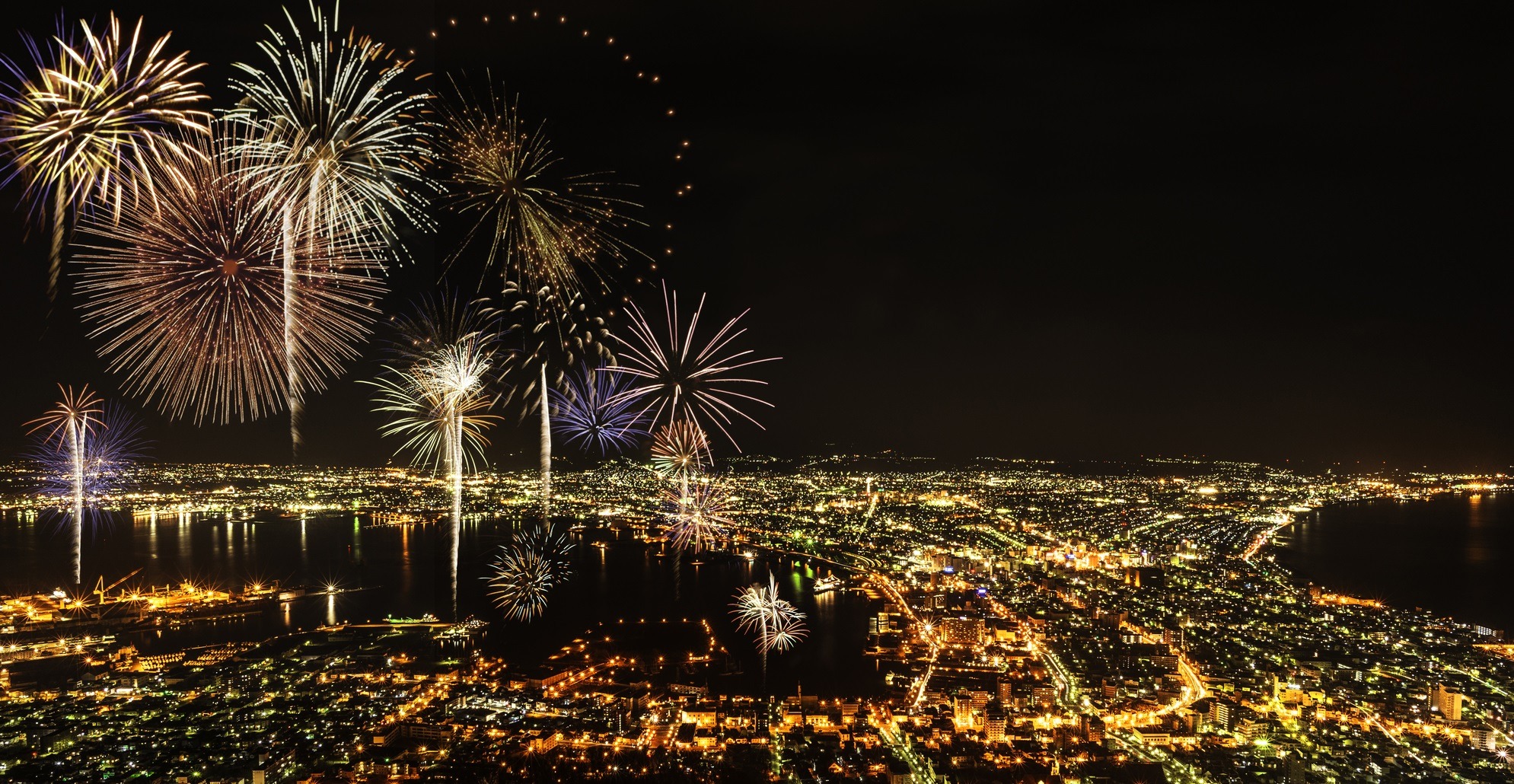
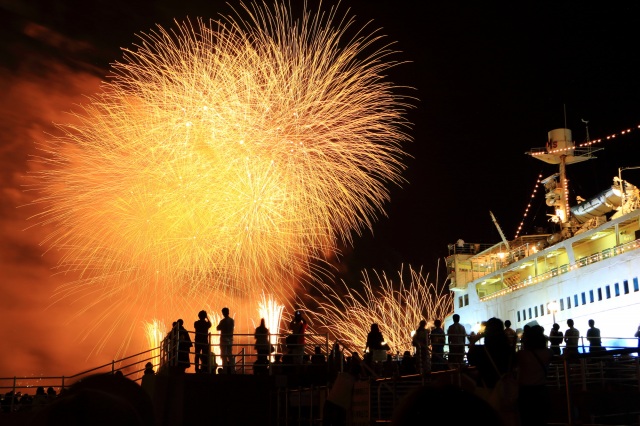
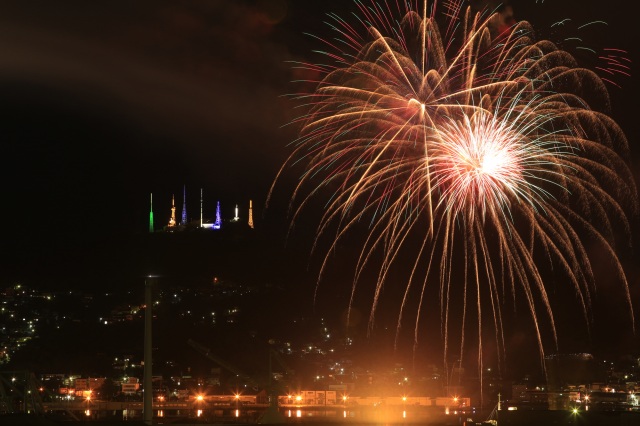
Hanabi in Hokkaido works especially well if you want a Japan trip with a slower pace, cooler nights, and fewer packed city streets. The basic appeal is simple: fireworks over open space look even bigger when the backdrop is a harbour, lake, or wide riverbank. Visit Hokkaido frames fireworks as part of the island’s seasonal travel rhythm, not just a one-night event.
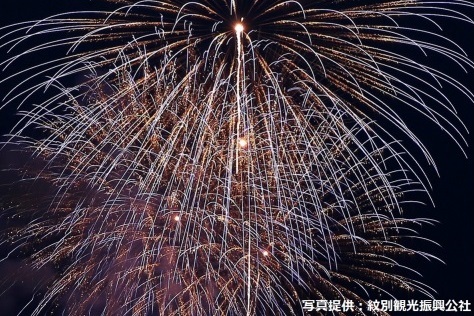
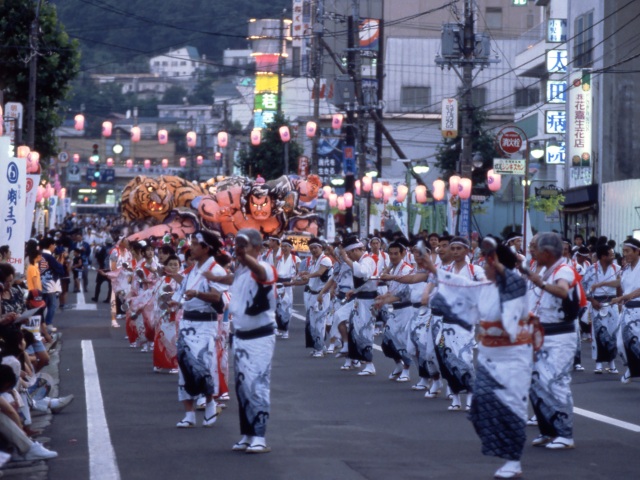
The reason is simple: Hokkaido’s summer is short, so local events make the most of the warm evenings while they last. That gives hanabi taikai a different feel from the classic urban shows in Tokyo or Kansai. You get more breathing room, more space to sit down, and often a stronger sense that the event belongs to the town itself. Wait, there’s more.
For Japanese learners, this is also a nice vocabulary moment. Hanabi means fireworks, taikai means tournament or event, and matsuri means festival. Those words show up constantly in travel brochures, station posters, and event listings, so a fireworks trip can turn into a mini language lesson without feeling like homework.
Why Hokkaido feels different from Tokyo or Kansai
On a related note, the contrast with mainland Japan is part of the fun. Tokyo-area listings on Walkerplus show how dense the calendar can be, with around 900 fireworks events covered nationwide and a strong focus on Kanto and nearby prefectures. Kansai also has a packed schedule, including late-season shows into October, such as Minato HANABI in Kobe and the Itami Fireworks Festival.
Hokkaido doesn’t usually compete on sheer volume, and that’s exactly why it stands out. Fewer events can mean easier logistics, clearer sightlines, and less of that shoulder-to-shoulder feeling you get at huge city displays. Trust me on this one: if you prefer a calmer evening, that can matter more than chasing the biggest show on the calendar.
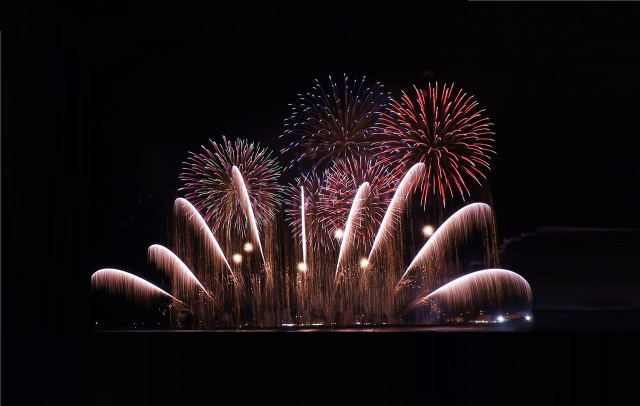
By the way, fireworks travel in Japan is often tied to local food stalls, riverfront walks, and station-area crowds after sunset. In Hokkaido, that combination can feel especially relaxed because the island’s landscapes do so much of the visual work. A simple beachside or lakeside show can feel surprisingly cinematic. Convinced yet?
How to plan a fireworks trip in Hokkaido
Quick detour: timing matters. Visit Hokkaido places fireworks within the broader warm-season travel idea, so if you’re building an itinerary, check both the event date and the surrounding transport options. Rural shows can be easy to enjoy but tricky to reach late at night, especially if you rely on limited bus or train services.
What I especially like is the way a hanabi trip can sit naturally inside a larger Hokkaido route. You could pair a fireworks evening with a hot spring stay, a seafood dinner, or a drive through a coastal town the next morning. That makes the event feel like part of the journey, not just a side activity. Sounds weird, but it’s true.
Insider tip: if you’re studying Japanese, use event notices as reading practice. Look for words like 会場 (kaijou) for venue, 時間 (jikan) for time, and shigoto or koutsuu when checking access rules. Even short event pages can teach you practical reading habits, and that’s far more useful than memorising random textbook vocabulary. Personally...
What this means for Japan fans and learners
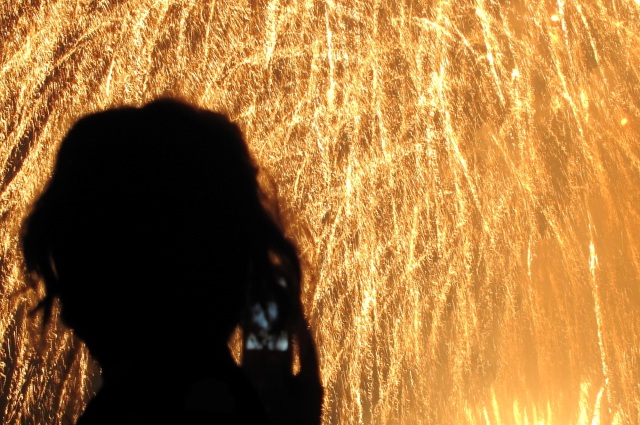
Here’s the thing: hanabi is one of those Japanese culture topics that is easy to enjoy even if your language level is still basic. You don’t need advanced grammar to get the point, because the visual part carries the experience. But once you start noticing the words around it, the whole event becomes a little richer.
For Japan fans, that means a fireworks trip in Hokkaido can double as a culture lesson, a travel day, and a seasonal memory. For language learners, it’s a chance to connect what you read in class with what appears on real signs and event pages. My tip: keep a small list of travel words in romaji, then compare them with what you see at the venue or in online listings. It’s a simple habit, and it works. Wait, there’s more.
If you’re planning your next Japan trip, Hokkaido is a strong place to look beyond the famous big-city fireworks. The island gives hanabi a different mood, and that change of pace is part of the appeal. more Japan news on jpnerd.com
In pictures
Frequently Asked Questions
What does hanabi mean in Japanese?
It means fireworks, and it is the word most people use for fireworks displays and festivals in Japan.
Is Hokkaido a good place for fireworks trips?
Yes. Hokkaido can be a great choice if you want cooler nights, open scenery, and a more relaxed event atmosphere.
How can Japanese learners use fireworks events for study?
You can practise reading travel notices, learn common event words, and connect vocabulary with real-life culture.