I think that distinction matters. This isn't a spectacle built around a single dramatic moment, but a craft tradition with rules, breeders, handlers, and a local audience that knows the difference between showmanship and respect. For Japanese learners, it's also a good doorway into a few useful words, from ushiorase itself to 内 (uchi, inside) and 島 (shima), the island vocabulary that often appears when Okinawa is described.
Ushiorase, Okinawa's bullfighting tradition, in context
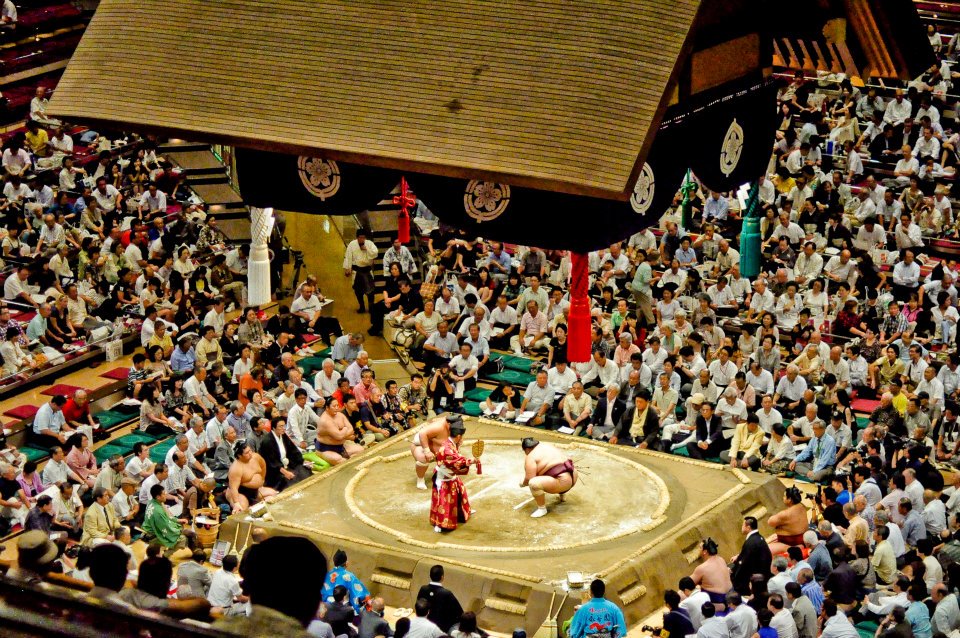
Ushiorase is Okinawan-style bullfighting, and it belongs to the broader Ryukyu island world rather than to mainland Japan's better-known festival calendar. The practice centres on bulls facing one another in controlled matches, with handlers and local organisers shaping the event around tradition, not chaos. To be fair, the English word bullfighting can suggest something very different, usually a contest with a human fighter, but ushiorase is its own local form, tied to Okinawa's communities and rural life.
What most people don't know is that Okinawa's bull culture has long been linked to agriculture, livestock breeding, and village pride. Bulls are raised, trained, and presented with care, and the event is often treated as part competition, part seasonal gathering. The language around it is worth noticing too. 牛 (Ushi) means bull, and the word itself carries the plainness of a working term rather than a polished tourist label. Classic Japan, isn't it? But this is also very Okinawa, where local traditions often sit close to farming and island geography.
According to Visit Okinawa Japan, the tradition is still part of the islands' travel story today. That matters because so much cultural travel gets flattened into quick photo stops. Ushiorase asks for a slower look. It is about process, community, and a kind of cultivated patience that feels close to other Japanese crafts, where what you see in public rests on a long hidden routine of breeding, feeding, and daily care. My tip: when you're reading about it, pay attention to the people around the bulls as much as the bulls themselves. But that's not all.
Why this Okinawa travel update matters
Okinawa often gets described through beaches and blue water, but that leaves out the island's working traditions. Ushiorase adds another layer to the map, one shaped by rural districts, local events, and a sense of identity that doesn't need to shout. Before I forget: this is exactly the kind of travel update that rewards context, because the tradition means more when it's placed beside Okinawa's agriculture, history, and community life.
Take the setting, for instance. Okinawa is Japan's southernmost prefecture, and its island geography has produced customs that don't always resemble those on the main islands. Bullfighting there isn't a borrowed novelty. It is a local practice with its own rules, its own seasonal rhythm, and its own audience. That local anchoring gives it weight. A good example: when a tradition stays tied to place, it can survive as something practised, not merely displayed.
And it gets better: for Japan enthusiasts, ushiorase also opens a quieter route into language learning. Terms like uchi for inside, shima for island, and the local identity marker uchinaa can show up in Okinawan cultural writing. Learning those words does more than expand vocabulary. It helps place the tradition inside a living regional landscape, where language, farming, and custom still overlap. No joke: that kind of grounded reading is often more useful than memorising a glossy list of culture words. Wait, there's more.
How to think about ushiorase as a craft tradition
Ushiorase is easier to understand if I think of it less as a one-off event and more as an ecosystem of craftspeople and caretakers. Bulls don't arrive fully formed for the ring. They're raised, selected, and managed over time, and the people involved carry specialised knowledge that is passed along locally. In that sense, the tradition sits near the world of 職人 (shokunin, artisan) culture, where skill is measured by attention, routine, and restraint.
One reason the tradition feels serious is that it depends on the work surrounding it. Breeding, feeding, conditioning, and event organisation all matter. So does the social fabric around the matches. These aren't isolated performances. They're occasions with rules, expectations, and community memory. What I especially like is that the tradition resists easy simplification. It asks for a learner's patience, the same patience needed when approaching any Japanese local custom that has survived by being used, not merely explained.
For travellers, that means ushiorase is best understood through local reporting and cultural context, not through spectacle alone. For learners, it is also a reminder that Japanese vocabulary often carries geography inside it. One word can point to an animal, a place, and a practice at once. That's part of the pleasure of studying Japan through travel stories. The language opens, and then the landscape opens with it. My verdict: ushiorase is worth your attention precisely because it doesn't try to be anything else. And so it became a plan.
Frequently Asked Questions
What is ushiorase?
Ushiorase is Okinawa's traditional style of bullfighting, centred on bulls facing one another in organised matches.
Is ushiorase the same as Spanish-style bullfighting?
No. It is a different local tradition with its own rules, setting, and cultural background in Okinawa.
Why does ushiorase matter for Japan fans and learners?
It connects travel, regional culture, and language, making it a useful topic for anyone studying Japanese life beyond the main islands.