
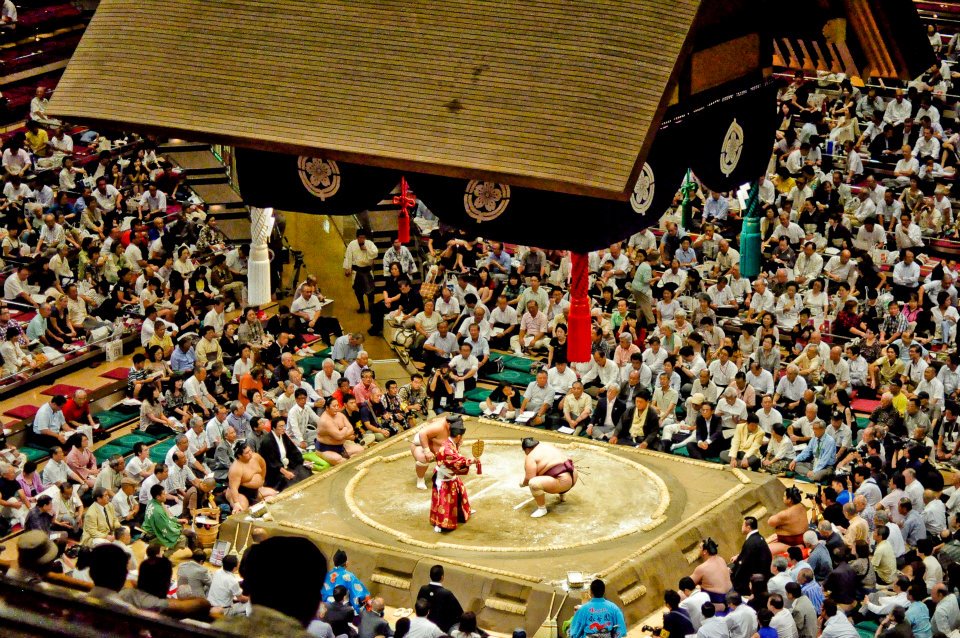
If you've ever wondered why 相撲 (sumo, sumo wrestling) keeps drawing artists, writers, and Japan fans back in, this is a good place to start. It might look simple from the outside, but there’s always more going on, and Skoropadenko’s work seems to lean right into that layered feeling.


Zoia Skoropadenko brings sumo into the frame
Zoia Skoropadenko and the art of sumo meet in Tokyo through a solo exhibition that treats the sport as more than a contest. According to Voyapon, the Ukrainian artist was preparing her latest solo show in Tokyo focused on sumo, which is exactly the kind of subject that rewards patience and close looking.
That matters because sumo isn’t just physical spectacle. It’s ceremony, timing, and presence. The ring, the ritual salt, the stance before the charge, all of it carries meaning. For Japan language learners, this is also where words like 土俵 (dohyo, sumo ring), 力士 (rikishi, sumo wrestler), and 四股 (shiko, leg-stomping ritual exercise in sumo) move from vocabulary lists into a living culture. And that shift changes how you read the sport. Seriously though, it becomes much richer once you start noticing the details.
What I especially like here is the way art can slow the eye down. Sumo is often reduced to size and strength in outsider commentary. Skoropadenko’s subject matter pushes back against that, because the sport is also about balance, tension, and restraint. My tip: if you’re learning Japanese, pair visual culture like this with basic sumo terms. The language sticks better when it’s attached to something you can picture. Convinced yet?
Why sumo keeps inspiring artists
Unlike what we're used to, sumo doesn’t begin with the clash. It begins before that. The preparation, the posture, the calm before movement, those moments matter just as much as the bout itself. That’s why artists keep returning to it. There’s drama in the pause.
For example, if you look at the wider world of Japanese art and travel, sumo sits at an interesting crossroads. It’s deeply traditional, yet it still feels alive in the present. You can encounter it through tournaments, museums, prints, and contemporary interpretation. That range makes it a powerful subject for visual art, because it can speak to history without feeling frozen in the past.
What many overlook: sumo is also about space. The dohyo is small, but it holds a great deal of tension. The crowd, the silence, the movement, the rules, all of it compresses into one ring. Artists love that kind of structure. It gives them something to test, stretch, and reframe. And that makes the sport surprisingly modern. But that’s not all.
Tokyo as a place to read culture closely
Tokyo is the right setting for a project like this because the city is full of places where old forms and new eyes meet. Museums, galleries, and cultural spaces in the capital often work as bridges. They let you discover a traditional subject from a fresh angle, without flattening it into nostalgia.
Here’s the catch: if you only know sumo from television clips, you miss the quiet layer underneath. Japanese culture often rewards attention to what happens between actions. That can be hard to read at first, especially for learners used to faster, more explicit storytelling. But it is exactly the kind of thing that makes a work like Skoropadenko’s worth studying. You are not just looking at wrestlers. You are looking at ritual, discipline, and an age-old social rhythm.
Hand on heart: that is one of the reasons I think art coverage like this belongs on a Japan learning site. It gives you a route into vocabulary, but also into mindset. You start with a painting or an exhibition theme, then end up learning how Japan frames strength, formality, and timing. Wild, isn't it?
What Japan fans can take away from this exhibition
The first time I went to Japan... well, not exactly, but if I were guiding a new learner through this topic, I would say to start with what is visible and then ask what is being signalled. Sumo is full of signals. The stance says something. The clothing says something. The ring itself says something. Once you notice that, you can follow the culture more confidently.
That is why exhibitions like Zoia Skoropadenko’s are useful even when you are not in the room. They sharpen your eye. They remind you that Japanese culture is rarely only about the thing you can see first. It is also about how it is framed, performed, and remembered.
My verdict: this is the sort of art story that rewards a slow read. If sumo interests you, or if you are building your Japanese vocabulary around culture rather than textbooks alone, Skoropadenko’s Tokyo exhibition gives you a strong place to start. And there is always more to uncover.
This is your chance to discover another side of sumo for yourself. Spreading my love and admiration for Japan's art and traditions to the rest of the world: that’s what this is about. more Japan news on jpnerd.com
Frequently Asked Questions
Who is Zoia Skoropadenko?
She is a Ukrainian artist whose work includes a solo exhibition in Tokyo focused on sumo.
Why is sumo interesting for art and culture readers?
Because it combines ritual, movement, discipline, and tradition, which gives artists a strong visual and symbolic subject.
Can Japanese learners get something from this topic?
Yes. Sumo-related vocabulary and cultural context are a good way to connect language study with real-world Japan.
