
Overview
Japan rail punctuality is not magic, and it is not just about people being disciplined. It comes from a stack of practical choices working together: dedicated infrastructure, carefully managed schedules, strong safety systems, precise station routines, and staff who react quickly when something goes off plan. In Japan, delays are often measured in seconds rather than minutes, which sounds almost unreal if you are used to looser systems elsewhere. But once you start looking at the details, the picture becomes very clear.


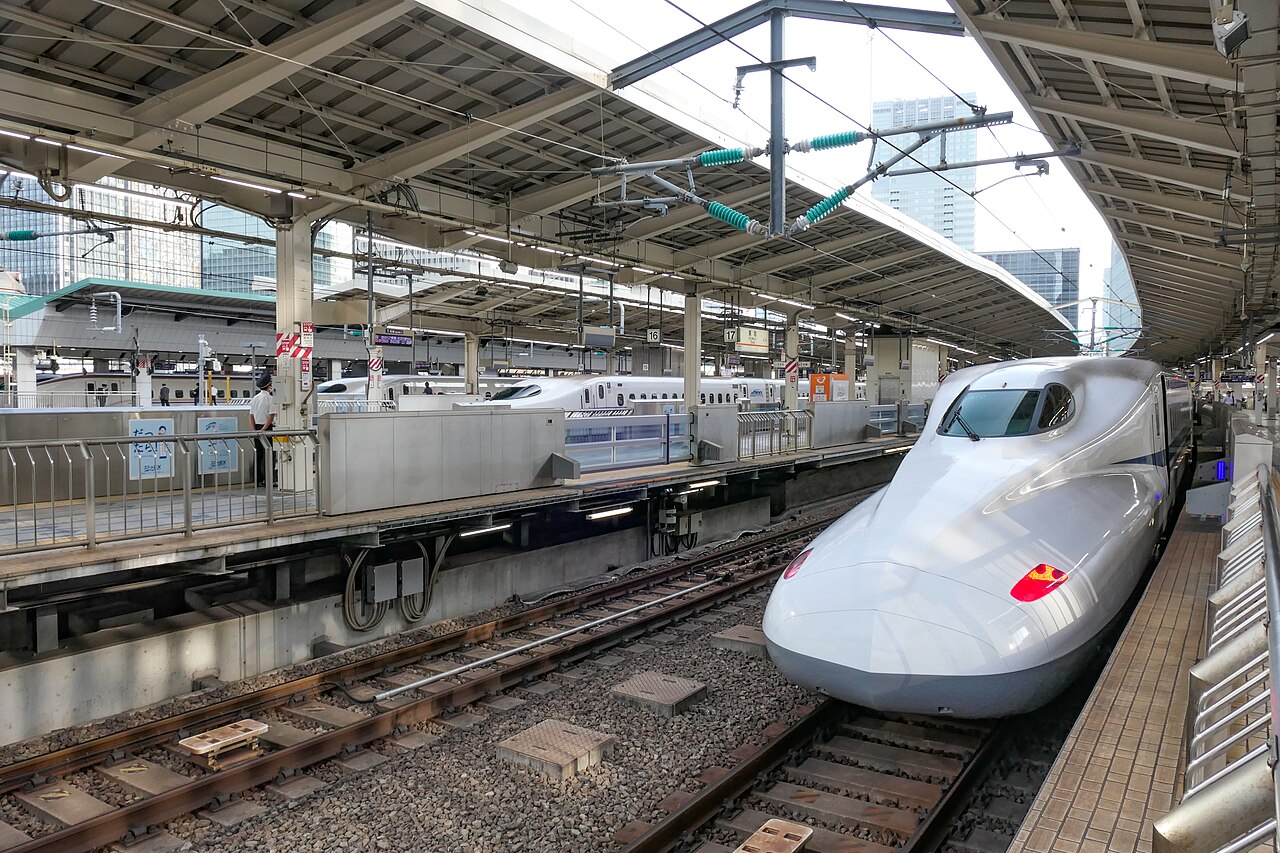
The Shinkansen is the best-known symbol of this precision. It is the benchmark people think of first, and for good reason. The first line, the Tokaido Shinkansen, opened in 1964 between Tokyo and Osaka and began service in time for the Tokyo Olympics. Since then, the network has come to represent not only speed, but reliability, and that reliability has shaped how many travelers understand rail travel in Japan. If you want a broader context for how rail systems can become national standards, it is worth pairing this topic with a look at Japan’s Railways and the Shinkansen Standard for Punctuality.
What keeps the trains so precise
The biggest reason Japan rail punctuality holds up so well is that the whole system is designed to protect time. Schedules are tightly managed, headways are short, and every part of the operation is meant to reduce uncertainty. That means a tiny delay on one train can create ripple effects very quickly, so there is strong pressure to keep things moving exactly as planned. This is where the system feels almost architectural; one small disruption can have a long shadow, so the network is built to avoid disruptions before they happen.
That design includes dedicated infrastructure too. The Shinkansen runs on its own tracks, separate from normal rail traffic, which removes many of the conflicts that can slow a mixed-use network. And behind that are strict control systems, including automatic train control and monitoring for weather, earthquakes, and technical problems. Japan’s railways are not just relying on good intentions. They are backed by systems that constantly watch the line and help prevent problems from becoming larger ones.
There is also the station-level side of the story, which people sometimes overlook. Platform markings guide boarding, passengers queue in an orderly way, and station procedures are remarkably precise. It all looks calm, but it is a form of choreography. The Japanese term 整理 (seiri, orderly organization; sorting things neatly), meaning organized order, is a good way to think about it here, while 処理 (shori, processing; handling a task or problem), meaning processing or handling, fits the way each movement is managed from arrival to departure. And when a delay does happen, staff usually report it quickly, explain the cause, and provide concrete announcements or delay certificates. That level of communication matters more than people think.
The Shinkansen as the clearest benchmark
If local railways show the system at work, the Shinkansen shows the ideal version of it. This is where the famous seven-minute miracle often comes up: at many Shinkansen stations, cleaning crews have only a few minutes to reset a train before the next departure. It is a striking example of how precision can be built into ordinary work, not just into the technology itself. The process depends on 協力 (kyoryoku, cooperation; working closely together), meaning close coordination, between crews, station staff, and operations teams, plus jikan kanri, or time management, at a level that borders on performance art… but in the most practical sense possible.
And that is part of why the Shinkansen matters so much in the public imagination. It is not simply fast; it is dependable at a scale that makes people trust the whole rail network. The first line’s debut in 1964 gave the system a clear national stage, and the benchmark it created still shapes expectations today. Even now, when people talk about Japanese rail punctuality, they are usually talking about the standard the Shinkansen set.
Why delays feel different in Japan
There is also a cultural layer here, and I think this is where the topic becomes especially interesting. In Japan, small delays are treated seriously because they are understood as affecting everyone else in the system. That creates a strong feedback loop: staff are expected to respond fast, passengers expect clear information, and operators are under pressure to restore normal service without shrugging off the problem. The result is not perfection, of course. But it is a transport culture that takes delay as something to be explained, corrected, and avoided, not normalized.
This is one reason the topic is often compared with Germany, where rail punctuality is seen as less reliable. The contrast is a useful one, even if every rail network has its own constraints and pressures. In Japan, the combination of design and discipline is what stands out. It is not one heroic factor. It is many ordinary ones, all pulling in the same direction.
Where to experience it in Japan
If you want to feel this in real life, start with a Shinkansen ride. That is the most direct way to experience the punctuality culture in action, especially at major stations where departures, cleaning, and boarding all happen in tightly timed sequence. But you do not have to ride a bullet train to notice it. Local commuter lines in major cities also reveal the same mindset through platform markings, orderly queues, and staff announcements that are clear and immediate when something changes.
A practical way to think about this as a traveler is to build a little margin into your own schedule and then watch how the system behaves around you. The train comes. People line up. Doors open. Boarding happens quickly. And when something is delayed, the information usually arrives fast too. That mix of precision and transparency is what makes the experience feel so different. If you are learning how to talk about it in Japanese, the phrase japan rail punctuality kanji might lead you into useful transport vocabulary, and japan rail punctuality japanisch lernen is a good reminder that rail travel is one of the easiest everyday settings for picking up real-world language.
For a practical comparison-driven read, you may also want to revisit Why Japan's Railway Network Is So Punctual or the related explainer on how Warum Japans Bahnnetz so pünktlich ist works in everyday terms.
What this teaches travelers and learners
The deeper lesson here is that punctuality in Japan is not just a nice cultural trait. It is a system outcome. The rails, the schedules, the staff routines, the safety monitoring, the station procedures, and the public expectation all reinforce one another. That is why the network can feel so consistently sharp, even when something small goes wrong.
And if you are coming at this as a traveler, it is one of the more satisfying parts of rail travel in Japan. You can simply show up, trust the timetable, and then notice all the invisible work that makes the timetable believable. It rewards attention. It rewards patience. And, in its own quiet way, it says a lot about how Japan organizes everyday life.
Frequently Asked Questions
Why are Japanese trains so punctual?
Because punctuality comes from several layers working together: dedicated infrastructure, tightly managed schedules, strict safety systems, orderly station procedures, and a culture that treats small delays seriously.
What is the best-known example of Japan rail punctuality?
The Shinkansen is the clearest symbol and benchmark. Its dedicated tracks, precise operations, and minute-level coordination make it the best-known example.
When did the first Shinkansen line open?
The first Shinkansen line, the Tokaido Shinkansen, opened in 1964 between Tokyo and Osaka and began service in time for the Tokyo Olympics.
Where can travelers experience this punctuality in Japan?
The easiest place is on the Shinkansen, but you can also notice it on local commuter lines through platform markings, orderly boarding, and quick staff announcements when delays happen.