
Overview
Golden Week is the kind of holiday period that changes the rhythm of travel across Japan almost overnight. In practical terms, it usually falls from late April into early May, with the core stretch often running around April 29 through May 5. That means crowded trains, full hotels, packed attractions, and a lot of people trying to do the same thing at the same time. It is hectic, yes, but it is also one of the most interesting times to see how Japanese travel habits, family plans, and seasonal events all overlap.


For visitors, the big question is not whether Golden Week is busy. It certainly is. The better question is where you want to experience it. Theme parks are the most obvious draw, but local 祭り (matsuri, festival; local celebration), shrine events, and citywide holiday schedules also make this period feel unusually alive. If you are thinking about a Golden Week Guide for Japan, I would approach it like a smart little 温泉 (onsen, hot spring; hot-spring bath) 旅行 (ryokou, travel; trip) of the calendar: plan ahead, expect crowds, and keep enough flexibility to enjoy the surprises.
And yes, a few Japanese travel terms help here. A 予約 (yoyaku, reservation; booking), meaning a reservation, matters much more than usual during this period. So does 初めて (hajimete, for the first time; first-time), or first-timer planning, because Golden Week is the kind of holiday where a small bit of prep can save hours of waiting. Even something as simple as choosing the right 時間 (jikan, time; hour), or time of day, can change the whole experience. And when you are navigating festival schedules, the idea of おもてなし (omotenashi, hospitality; attentive guest service), the warm hospitality often shown to guests, becomes part of the atmosphere you feel everywhere, from parks to local streets.
How the holiday timing shapes travel
Golden Week 2026 falls practically at the end of April and the beginning of May, and that timing matters more than it may look on paper. Travel demand spikes, amusement parks become extremely busy, and popular attractions can see queues that stretch for hours. This is why early planning is not just a nice idea; it is the difference between a smooth day and a very long one.
For park visits, tickets and Express Passes should be arranged early whenever possible. That advice is especially useful for major destinations where the biggest rides can easily reach wait times of 120 minutes or more. If you are traveling as a family, it is worth treating the entire holiday stretch as a peak-demand window rather than a casual long weekend. The crowd flow is real, and once you understand that, your day becomes much easier to shape.
Golden Week 2027 follows the same late-April-to-early-May pattern, but it is especially important because the holiday chain includes Showa no Hi, Kenpo Kinenbi, Midori no Hi, and Kodomo no Hi. Those dates help explain why travel, opening hours, and festival planning often become tightly linked. In big cities like Tokyo, Kyoto, and Osaka, and in shrine-heavy or spring-strong regions, local events can line up right alongside the public holidays. That makes the whole period feel layered, almost like a festival season inside a holiday season.
Family-friendly theme parks during the holiday rush
If you want the classic Golden Week experience with children, theme parks are where the holiday pressure becomes most visible. Tokyo Disneyland in Chiba opened in 1983 and remains especially suitable for families with small children thanks to its classic attractions and frequent parades. During Golden Week, that family-friendly structure is part of the appeal, but it also means the park fills quickly. Early Entry can be useful when staying at a participating hotel, and on-site baby-care rooms plus stroller rental make the day easier for visitors with younger kids.
Universal Studios Japan in Osaka opened in 2001 and is another major Golden Week destination, particularly because of attractions such as Super Nintendo World and its seasonal specials tied to the holiday period. It is one of those places where the energy is obvious the moment you arrive. But beyond that, it is also a park where planning matters a lot. Express Passes are strongly worth considering, since the most popular attractions can easily pass 120 minutes of waiting.
For families deciding where to spend a holiday day, these parks represent two very different experiences. Tokyo Disneyland leans into familiar parade-centered charm and younger children’s comfort. Universal Studios Japan offers a more modern, high-energy mix with major franchise appeal and a sharper crowd-management challenge. Both are deeply tied to Golden Week travel patterns, and both reward careful planning more than spontaneous wandering.
Thrill rides, resorts, and slightly quieter alternatives
Not every Golden Week outing has to be about the biggest headline parks. Fuji-Q Highland in Fujiyoshida, Yamanashi, sits at the foot of Mount Fuji and is known for extreme roller coasters such as Takabisha, with its 121-degree drop, and Fujiyama. This is a very different kind of holiday stop. It is more of an adrenaline destination, especially for teenagers and thrill seekers, though it also includes family areas and an indoor children’s land. That combination makes it a useful option if your group is split between fearless riders and younger visitors.
Then there is Nagashima Spa Land in Kuwana, Mie, which offers more than 45 rides and is connected to a large onsen resort. That link is interesting because it adds a slower rhythm to a high-traffic holiday. You can imagine the day as a mix of rides, breaks, and recovery time, which is honestly a very Japanese way to handle a busy outing. For a Golden Week trip, that balance can be a real advantage.
And if you want something calmer, Huis Ten Bosch in Sasebo, Nagasaki, offers a Dutch-inspired resort atmosphere that feels especially suited to quieter family trips with a bit of cultural flavor. It is not trying to be chaotic. It gives you space to stroll, look around, and enjoy the setting without the same pressure cooker feeling you get at the biggest holiday parks. For some travelers, that slower pace is exactly what Golden Week needs.
Festivals, shrine events, and local calendars
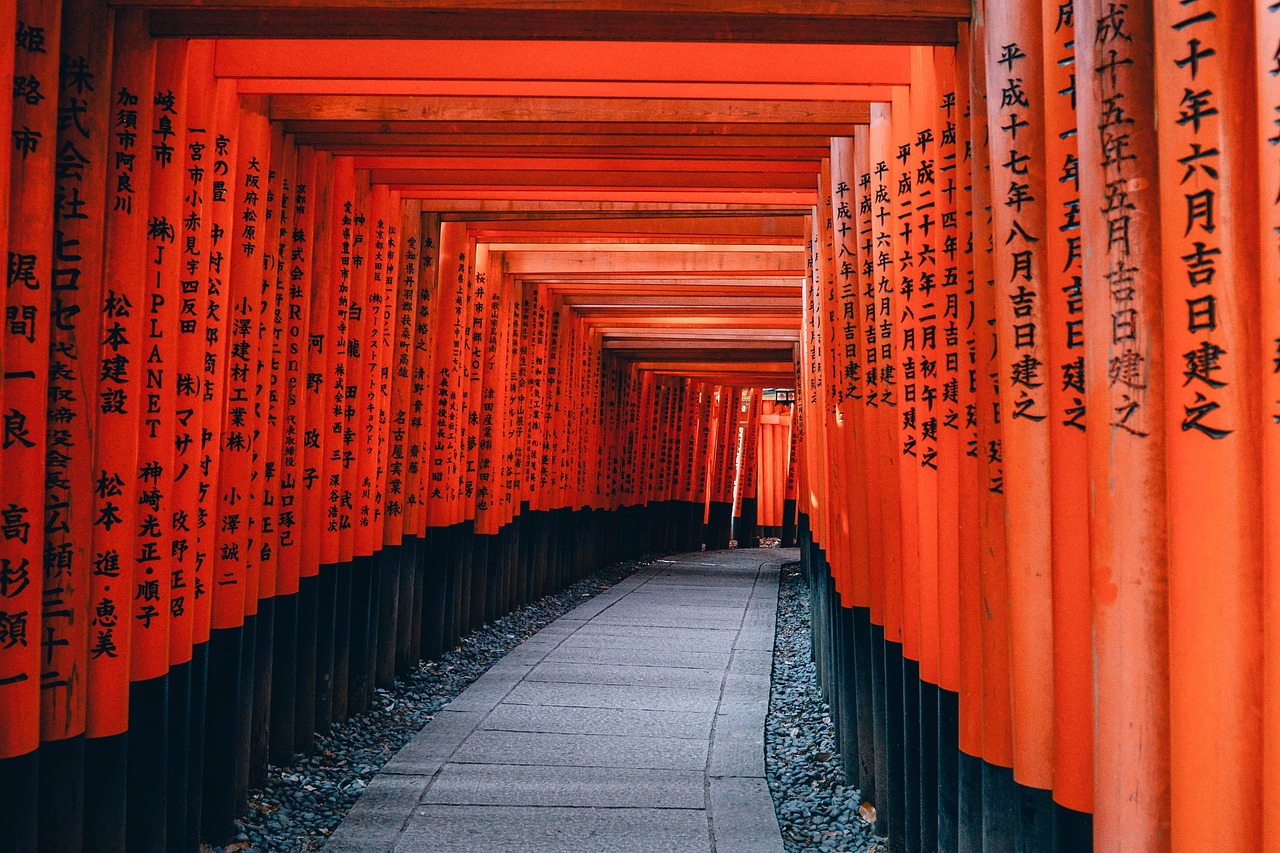
Golden Week is not only about theme parks. It is also when local matsuri often appear on the calendar, and that makes the holiday especially rewarding if you enjoy seasonal atmosphere. The overlap between public holidays, festival planning, and transport demand is a big part of how the period works in practice. In some areas, shrine events and neighborhood festivals run alongside the holiday itself, creating a lively but manageable sense of movement through the streets.
This is where a little research pays off. Because local matsuri can vary by region, a city like Kyoto may feel different from Osaka or Tokyo, and a shrine-centered area can feel different again. If you are looking at Golden Week 2027, it makes sense to check both holiday dates and event schedules together. The best experiences often come from that overlap, not from chasing one single headline event.
For readers who like to pair travel with seasonal planning, this is also a good moment to keep an eye on broader event calendars. A practical starting point is a Golden Week 2027 matsuri calendar, especially if you want to compare city events with shrine-heavy or spring-friendly regions. And if your trip leans more toward family fun than festival hopping, a Golden Week guide for Japan’s family parks can help you think through crowd levels, timing, and which park fits your group best.
What makes Golden Week worth planning around
Golden Week matters because it shows a very real side of Japan travel. It is busy, yes, but it also reveals how holidays, school breaks, family outings, and seasonal events all stack on top of one another. The result is a country moving in rhythm, sometimes a little chaotically, but with a lot of texture. For visitors, that means more than just crowds. It means parades, local festivals, packed attractions, special event schedules, and the need to think ahead in a way that feels very practical and very human.
I think that is why Golden Week remains such a useful lens for anyone trying to understand Japan travel. You see where the pressure points are, but you also see where the hidden spots are — the quieter resort, the family-friendly park plan, the local festival that sits just beyond the obvious route. And once you start watching for those layers, the whole holiday becomes easier to enjoy.
So whether you are sorting out tickets, comparing parks, or checking whether a local matsuri lines up with your stay, the best approach is simple: plan early, stay flexible, and leave room for a few pleasant surprises. That is usually how the better Japan trips work anyway… you look around, adjust, and eventually find your own place in the flow.
Frequently Asked Questions
When does Golden Week usually happen in Japan?
Golden Week usually falls from late April into early May, often around April 29 through May 5. The exact feel of the period changes a bit year to year, but the travel pressure is usually high.
Are theme parks very crowded during Golden Week?
Yes. Major parks can be extremely busy during Golden Week, and popular rides may have very long waits. Early ticket planning and Express Passes are recommended where available.
Which parks are especially good for families with small children?
Tokyo Disneyland is especially suitable for families with small children because of its classic attractions, parades, and family-friendly services like baby-care rooms and stroller rental.
Can Golden Week include local festivals as well as travel crowds?
Yes. Golden Week often overlaps with local matsuri, shrine events, and regional festival planning, especially in large cities and shrine-focused or spring-strong areas.
What should I book first for a Golden Week trip?
Start with your yoyaku, or reservations, for transport, accommodation, and any park tickets or Express Passes. That is the easiest way to reduce stress during the busiest parts of the holiday.