Overview
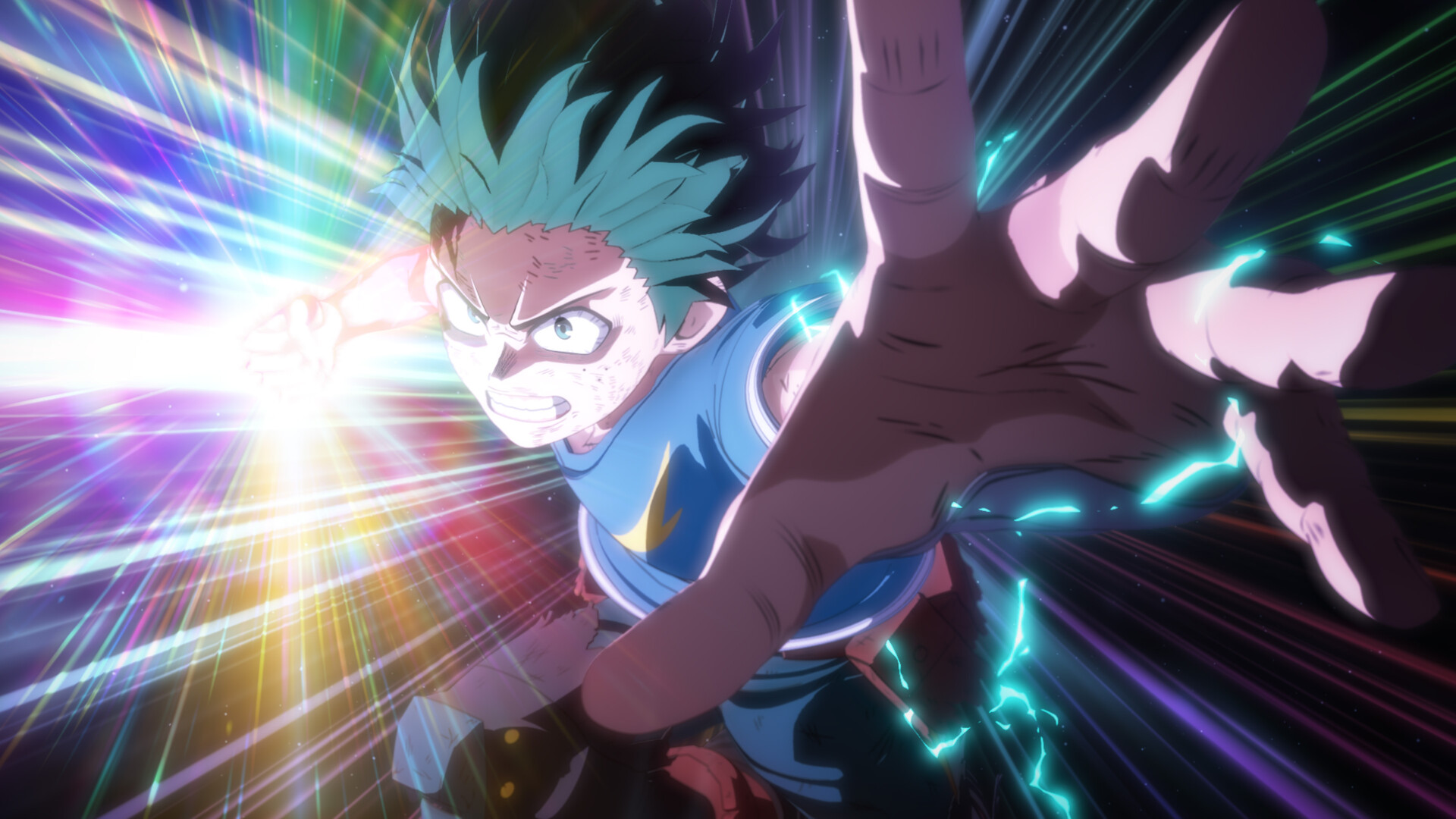
My Hero Academia has been running in Weekly 少年 (shonen, boys' 漫画 (manga, Japanese comic book or comic series)/アニメ (anime, Japanese animated series) aimed at a young male audience) Jump since 2014, and that long stretch matters more than people sometimes admit. It means this is not some flash-in-the-pan seasonal hit, it is a long-form shonen machine built around momentum, big emotional payoffs, and the kind of character work that keeps fandoms arguing in group chats for years. And now, with the series celebrating its 10th anniversary through a virtual exhibition, a new visual, and new merchandise, the franchise is leaning into its history without pretending it is done making noise. Good. It should.


If you are here for a My Hero Academia guide, the basic pitch is simple, even if the appeal is not. The story is about a world where superpowers, called quirks, are ordinary, and a boy who starts from zero has to claw his way into a system that was never built for him in the first place. That setup could have been generic as hell, but the series keeps turning it into something more personal, more anxious, more triumphant, and sometimes more exhausting in the exact way long shonen should be. Also, yes, this is the kind of series people still search for when they want My Hero Academia news, My Hero Academia kanji resources, or even My Hero Academia japanisch lernen ideas, because fandom and language learning keep bumping into each other in the best possible way.
Why the series still matters after 10 years
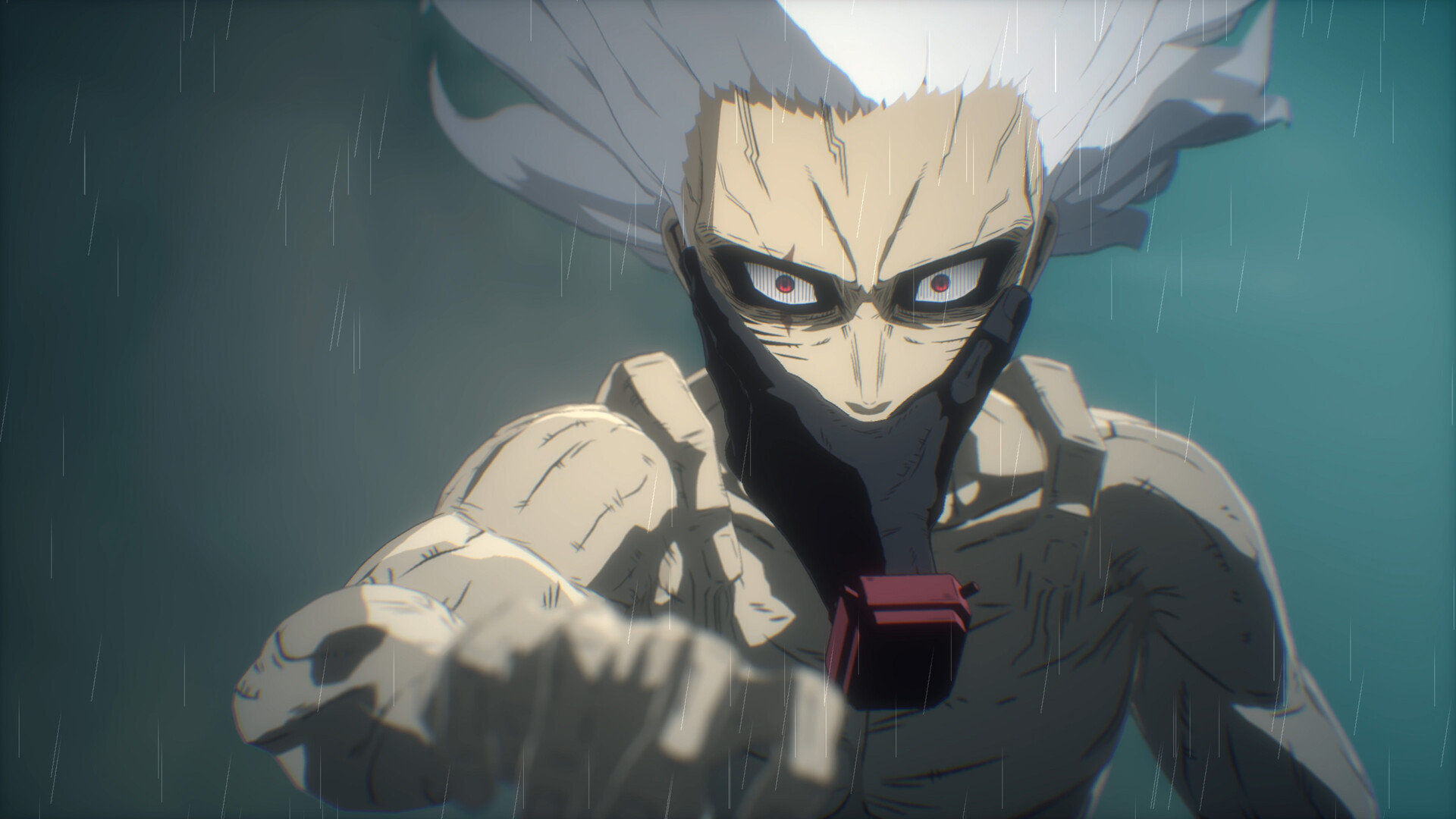
The reason My Hero Academia has lasted this long is not complicated. It gives you a clean underdog framework, then keeps complicating it with rivalries, institutions, moral pressure, and a whole lot of people trying to be heroes in a world that makes that job weirdly political. I think that is why it works for so many viewers, including the ones who pretend they are only there for the fight scenes. Sure, the fights matter. But the real hook is how the series keeps asking what heroism costs, who gets to define it, and what happens when the shiny public version of a hero starts cracking under real life.
The 10th anniversary virtual exhibition fits that legacy nicely because it treats the franchise like a living thing, not a static poster on a wall. The exhibition is described as an interactive experience, and that matters. Fandom for a series like this is never just passive consumption, it is rereads, rewatches, rankings, debates, and the eternal, slightly unhinged conversation about who got carried and who got done dirty by the story. A new visual and new merchandise are exactly the sort of anniversary extras that remind you a franchise can be celebratory without becoming pointless nostalgia bait.
The story setup, the cast, and the appeal
At the center of the series is a simple but effective engine: a world of quirks, a school system that trains future heroes, and a protagonist who has to fight for legitimacy instead of inheriting it. That basic tension gives the show room for all the stuff we actually stay for, the rivalries, the class dynamics, the big mentorship energy, and the tiny character moments that hit harder than they have any right to. It is also why the ensemble matters so much. You are not just watching one kid power up. You are watching a whole social ecosystem get tested.
And here is the thing. My Hero Academia can be loud, emotional, and occasionally a little too eager to grab you by the collar and shout its themes directly into your face. I say that lovingly. Sometimes the series is at its best when it goes full earnest and refuses to be embarrassed about caring this much. That kind of sincerity is risky. It can fumble. But when it lands, it lands like absolute cinema, and you remember why this one became such a giant in the first place.
Where to watch and stream it
If you want to catch up, the main thing to look for is the anime streaming availability in your region, because where to watch My Hero Academia depends on licensing and local catalogs. In practice, that usually means checking the major legal anime streaming platforms in your country and seeing which seasons are available in sub and dub. If you are the type who likes to watch in order, start from season one and go forward, because the show is built on accumulation. Skipping around is possible, sure, but it strips away some of the slow-burn emotional payoff that makes the whole thing work.
For a lot of fans, the watch order is also part of the fun. You get the early school arc energy, then the scale widens, then the world starts feeling heavier, and by the time the bigger conflicts hit, the show has already done the work of making these characters feel like people you have spent way too much time with. That is a compliment, by the way. I mean it. The best long-running shonen should feel like a hangout that slowly turns into a war zone.
Related reading, anniversary content, and fandom extras
The anniversary exhibition is the obvious place to follow if you want the franchise in its celebratory mode, especially since it comes with a new visual and new merchandise. For readers who like keeping up with milestone coverage, the broader anniversary conversation often connects to other franchise events and archive-style fan features, and it is worth treating those as part of the story rather than side clutter. If you want a direct reference point for that kind of coverage, the My Hero Academia: 10th Anniversary Virtual Exhibition piece is the exact sort of thing that shows how a long-running series keeps building its own cultural footprint.
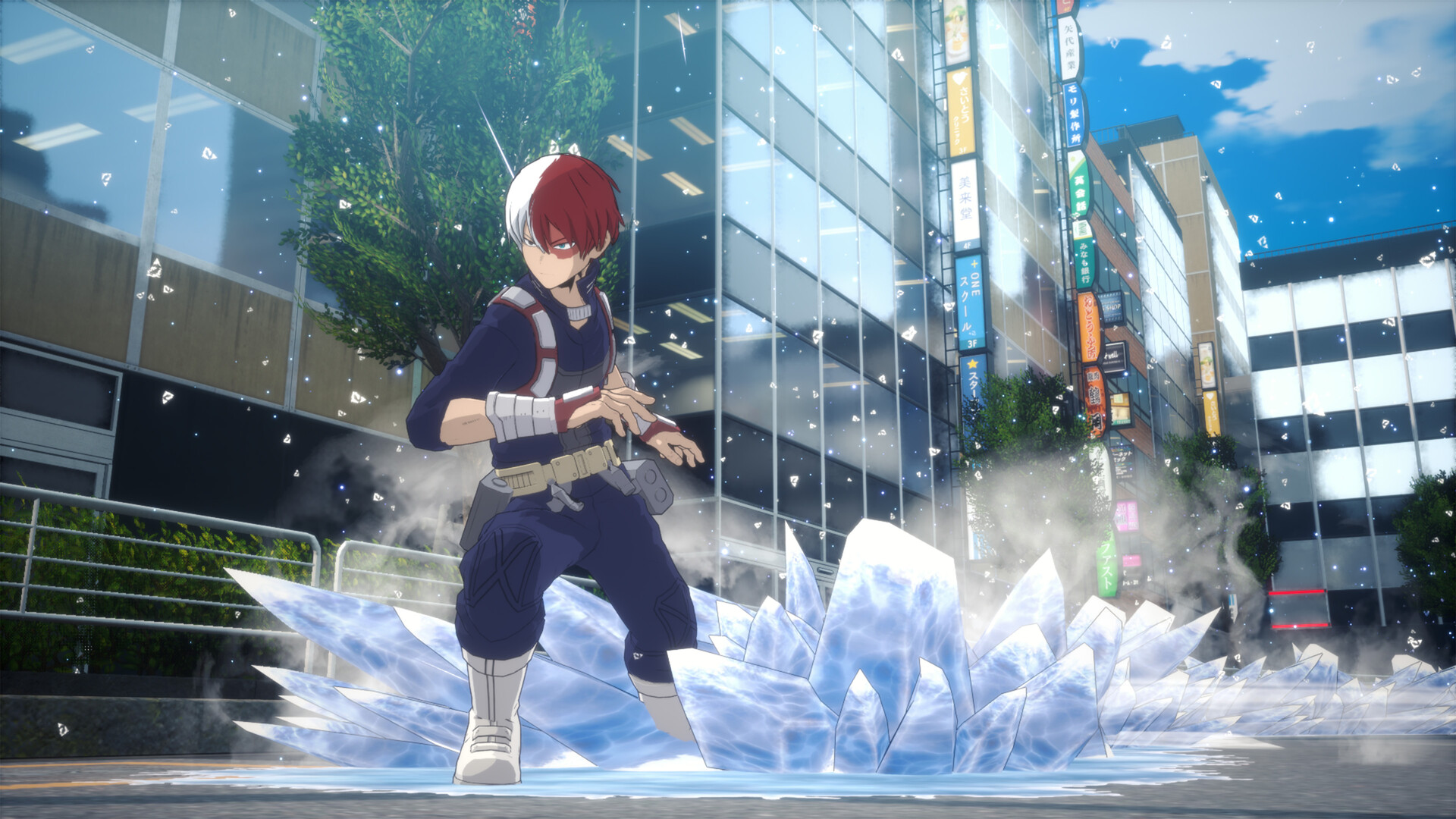
And if you are the kind of fan who likes to learn while you browse, My Hero Academia also makes for a surprisingly useful language rabbit hole. The series is full of hero vocabulary, school terms, and fandom-specific shorthand, which is why searches like My Hero Academia kanji or My Hero Academia japanisch lernen make sense. You are not just memorizing words, you are building familiarity with how this kind of Japanese pop culture talk actually sounds when it shows up in context. That is genuinely helpful, and also a little addictive once you start.
- My Hero Academia began in Weekly Shonen Jump in 2014 and has remained a major modern shonen title since then.
- The 10th anniversary celebration includes a virtual exhibition described as an interactive experience.
- The anniversary package also includes a new visual and fresh merchandise.
- For streaming, check the legal anime platforms available in your region and watch from season one if you want the full character and story buildup.
- Related searches often include My Hero Academia guide, My Hero Academia news, My Hero Academia kanji, and My Hero Academia japanisch lernen.
Why the franchise keeps finding new fans
Some series burn bright and vanish. This one did not do that. It kept going, kept expanding, and kept giving people new entry points, whether they came for the original manga, the anime, the characters, or the broader fandom machine around it. The reason that matters is because longevity changes what a series means. At this point, My Hero Academia is not just a title you recommend, it is a reference point. People compare other shonen to it, argue about its highs and lows, and use it as a benchmark for how much emotional mileage a superhero story can still squeeze out of genre conventions.
And honestly, I think that is the correct way to talk about it. Not as sacred text, not as untouchable perfection, but as a giant, messy, beloved modern classic that earned its place the hard way. Through volume. Through consistency. Through giving fans enough character, enough conflict, and enough heart to keep them coming back. That is the shot. That is why the anniversary matters.
Frequently Asked Questions
When did My Hero Academia start?
My Hero Academia has been running in Weekly Shonen Jump since 2014.
What is included in the 10th anniversary celebration?
The 10th anniversary celebration includes a virtual exhibition, a new visual, and new merchandise.
Where can I watch My Hero Academia?
You should check the legal anime streaming platforms available in your region, since availability depends on local licensing.
Is there a good way to start the series?
Yes, starting from season one is the best way to get the full story and character buildup.
Why do people search for My Hero Academia kanji or japanisch lernen?
Because the series is a useful way to run into hero vocabulary, school terms, and fandom language in context.