Overview
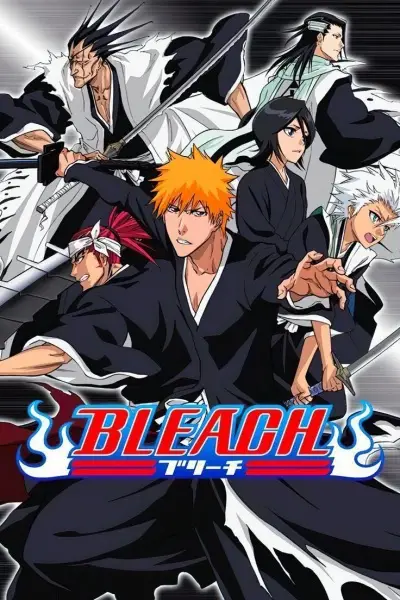
Here's the short version: Knives Out, the NetEase mobile battle royale known in Japan as Arano Kodo, crossed over with BLEACH: Thousand-Year Blood War, the final-story anime arc that Japanese sources often call Sennen Kessen-hen. That phrase matters more than it looks like it does. Kessen means a decisive battle, and hen is a section or installment, so the name itself already carries the sense that this is the arc where the series goes for broke. The collaboration arrived as a Japanese-market event tied to that final stretch, with a later Part 2 or second phase reported after an earlier spring run.


In practice, this is not a deep systems crossover. It is a familiar live-service model done with better packaging than usual: BLEACH-themed visuals, costume-style items, weapon cosmetics, event missions, and limited-time rewards. The production goal is obvious. Take an already active mobile shooter, dress it in immediately readable BLEACH iconography, and make the event matter to people who may not normally care about either property. That is not subtle, but it is effective when the art direction understands the assignment.
If you want the relevant context on the broader collaboration, see the coverage of the Knives Out x Bleach Thousand-Year Blood War Collab and the later Japanese report on the crossover's second phase. Both help show how the event was positioned beyond simple fan-service, which is usually where these things live and die.
What the collaboration is actually doing
The core appeal of a crossover like this is straightforward: it translates recognizable anime identity into playable, limited-time game content. Instead of trying to rebuild BLEACH as a separate mode, the event layers its visual language onto Knives Out's existing battle royale framework. That means themed skins, likely avatar-style character treatments, weapon visuals, and timed missions that reward participation. In other words, the collaboration works as a 期間 (kikan, limited period; fixed time span) event, a limited campaign window, rather than a permanent expansion.
The emphasis on Thousand-Year Blood War iconography is important. This is not generic BLEACH branding. The collaboration draws from the arc's distinct late-series design language, which is sharper, more militarized, and more severe than the series' earlier shonen-adventure surface. That makes it a better fit for a shooter. You do not need to squint to see why the art direction landed here rather than, say, in a softer character-collab skin set that would have diluted the point.
- BLEACH-themed character visuals tied to the Thousand-Year Blood War era
- Costume-style items and cosmetic rewards
- Weapon cosmetics suited to a battle royale setting
- Event missions that structure participation
- Limited-time rewards designed to push engagement during the event window
Why it matters beyond anime fandom
The most interesting part is not that BLEACH fans showed up. Of course they did. The more useful question is why the crossover was framed for a broader mobile-game audience in Japan and Asia. The answer is that Knives Out has long operated in a market where collaboration events are not fringe extras; they are part of the live-service economy. A good crossover can function as a re-entry point for lapsed players, a curiosity for new users, and a retention tool for existing ones. All of that happens without needing the player to be deeply invested in the source material.
That is why this event was positioned as more than a narrow promotional tie-in. It is also why the second phase matters. A Part 2 tells you the collaboration had enough traction, or at least enough planned scope, to justify extending the campaign instead of letting it vanish after the first wave. In theory, every crossover is about synergy. In practice, the ones that last are the ones that give players a concrete reason to log in, collect, and keep going. This one appears to understand that basic arithmetic.
There is also a nice irony here. BLEACH: Thousand-Year Blood War is about escalation, finality, and characters being pushed into decisive confrontations. A battle royale collaboration built around cosmetics and event rewards is obviously not the same thing, but the tonal overlap is real enough that the crossover does not feel random. It feels designed by people who at least figured out what makes it tick.
How Knives Out fits the collaboration model
Knives Out is a NetEase battle royale and mobile shooter that has been active in Japan for years, and that longevity is the key fact. Short-lived mobile games rarely get the kind of collaboration infrastructure needed to make a crossover feel worthwhile. Long-running games do. They already have the event machinery, the audience habits, and the storefront logic in place. That makes them ideal hosts for anime collaborations, especially in a market where 予約 (yoyaku, reservation; pre-registration) usually means a reservation or pre-registration but event timing still matters just as much as launch hype.
For players, the draw is simple: the crossover gives the game a temporary identity refresh. For the publisher, it is a chance to increase visibility without rebuilding the product from scratch. That is the whole business model, stripped of PR fog. And because this is a mobile title, the actual consumption path is equally direct: you play Knives Out on supported mobile platforms and, where available, pick it up through the app storefronts tied to your device region. If you are looking for where to play or buy it, the answer is the usual mobile one rather than some hidden collector's edition ritual.
How to approach the event if you are new to it
If you are coming to this as a BLEACH reader or viewer, the easiest way to understand the appeal is to treat the collaboration as a themed seasonal event, not as a lore dump. The BLEACH references are there to create atmosphere, unlock cosmetics, and reward engagement. You do not need to be an expert in the game to understand the structure, and you do not need to know every corner of the anime to follow the presentation. That accessibility is the point.
For players who care about efficiency, the smart move in any collaboration like this is to focus on event missions first, then limited rewards, then cosmetics you actually want to keep using after the event ends. A gacha mentality can creep into these campaigns very quickly, but the sane approach is to identify what is exclusive and what is merely decorative. If the reward is only an outfit, fine. If it meaningfully improves your session experience, better. If it is just there to tempt completionists, be honest about that and move on.
- Check the event tab for collaboration missions and time limits
- Prioritize limited rewards before standard progression tasks
- Look for cosmetic items tied to BLEACH visuals rather than general loot
- Confirm platform availability in your region before planning to join
Related titles and why this one stands out
Anime-game collaborations are everywhere, which is exactly why most of them blur together. The better ones have a clear thematic fit. Knives Out x BLEACH: Thousand-Year Blood War stands out because it is not trying to be cute about its source material. It leans into the sharper, more battle-ready side of BLEACH and lets the shooter framework do the rest. That makes it closer in spirit to a proper themed event than to a throwaway crossover stamp.
For readers researching the broader topic, it helps to compare this kind of event with other mobile crossover campaigns that use cosmetics, timed missions, and seasonal phases to keep players engaged. The structure is familiar. The execution is what separates the merely functional from the memorable. Here, the visual identity does the heavy lifting, and that is usually enough when the collaboration is well targeted.
If you want the practical takeaway, it is this: the BLEACH x Knives Out Crossover is most interesting as an example of how a long-running mobile shooter can use anime branding without collapsing into empty branding. That balance is harder than it looks. When it works, you get a crossover that speaks to fans, serves players, and still feels coherent enough to justify the event window.
Frequently Asked Questions
What is the BLEACH x Knives Out Crossover?
It is a Japanese-market collaboration between Knives Out, the mobile battle royale known as Arano Kodo, and BLEACH: Thousand-Year Blood War.
What kind of content did the event include?
The crossover featured BLEACH-themed character visuals, costume-style items, weapon cosmetics, event missions, and limited-time rewards.
Was the crossover only for BLEACH fans?
No. It was described as targeting both BLEACH fans and a broader mobile-game audience in Japan and Asia.
Is there more than one phase of the collaboration?
Yes. The collaboration was described as having a Part 2 or second phase after an earlier spring collaboration.
Where can I play Knives Out?
Knives Out is a mobile battle royale and shooter available on supported mobile platforms through the usual app storefronts for your region.