
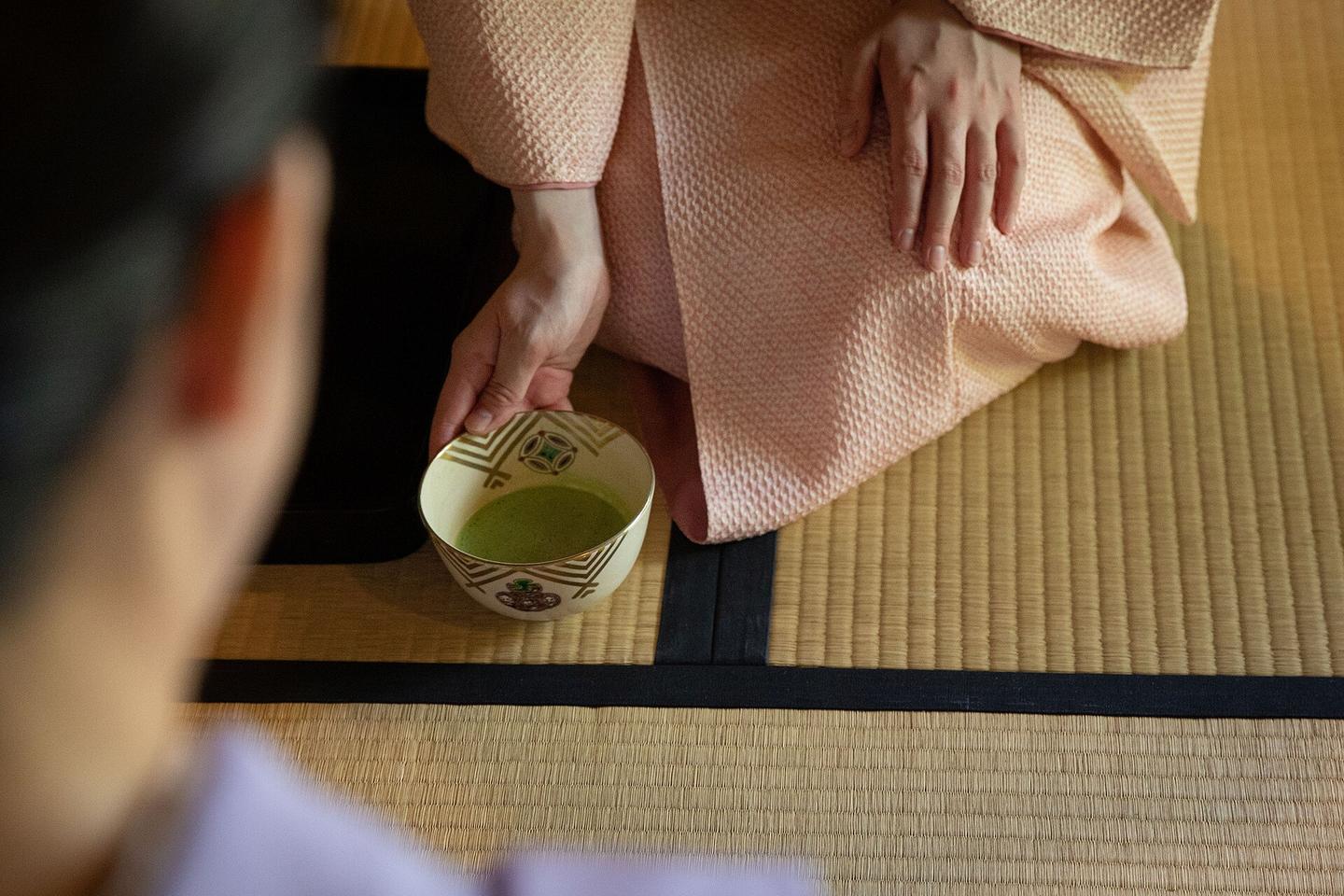
Lindt de MATCHA campaign: Swiss chocolate meets Japanese 抹茶 culture
So, what happens when Swiss chocolate expertise meets Japan's long-running love for 抹茶? The answer is Lindt de MATCHA, a seasonal campaign launching in spring 2026 with multiple limited editions, including Lindor Matcha and a Sky Matcha chocolate Baumkuchen. Sounds good, right?
It's early morning in Kyoto, and for many sweets fans, the first thought is seasonal matcha treats, hanami snacks, and new convenience store finds. The reason is simple: spring, or 春, drives demand for green tea flavours across sweets, and Lindt is stepping in with a refined take. From my experience, premium chocolate houses releasing seasonal lines often create collectible moments for fans.
What's in the lineup: Lindor Matcha and Sky Matcha Baumkuchen
Here's a plot twist: Lindt didn't stop at one product; they rolled out several limited editions under the Lindt de MATCHA banner. The star is Lindor Matcha, a familiar Lindt Lindor truffle filled with a smooth matcha ganache. That's why fans of both matcha and chocolate are buzzing.
Lindor Matcha details
Here's the thing: Lindor Matcha keeps the classic Lindor shell and offers a creamy centre infused with matcha flavour. The packaging is green-themed, clearly aimed at spring 2026 shoppers, and the product is labelled as limited edition in Japan. No wonder, because seasonal limited editions often sell out fast in department stores and selected konbini branches. Convinced yet?
Sky Matcha chocolate Baumkuchen
Fun fact: Baumkuchen has a surprisingly strong following in Japan since the Meiji era, and Lindt's Sky Matcha Baumkuchen combines that local affection with premium chocolate. Unlike what we're used to from mass-market Baumkuchen, this version emphasises matcha's bitter-sweet balance, layered into chocolate-coated sponge rings. Not bad, right?
Where to find them and the spring marketing angle
Quick detour: Lindt de MATCHA is a spring collection, timing its release to Japan's sakura season and hanami traditions. Retail distribution focuses on Lindt boutiques, selected department stores in Tokyo and Osaka, and curated seasonal sections in larger supermarkets. From my experience, checking store websites or social channels is a smart move before heading out.
Here's the catch: availability will vary by region and store, and many items are clearly labelled "limited edition." The campaign leans into visuals tied to 桜 and light green palettes, making the products ideal for spring gift-giving and omiyage. My tip? If you want Lindor Matcha, buy early or reserve online where possible, because collectors and matcha fans will snap them up.
Japanese vocabulary and culture tied to the collection
That reminds me: language learners can use this release as a mini lesson in food vocabulary. For example, 抹茶 is matcha, 春 is spring, and omiyage means packaged gifts for friends and coworkers. The marketing copy often mixes English and romaji on packaging, providing easy reading practice for learners studying product language in context.
Unlike what we're used to seeing in Europe, seasonal sweets in Japan are often tied to festivals and short windows, which makes them perfect prompts for learning ephemeral vocabulary like limited edition, seasonal, and flavours. The reason is simple: cultural context helps memory, so buy a product, read the label, and practice a few phrases. Sounds strange, but it's true.
My tip? Bring a small notebook when you shop, write down product names and ingredients, and compare kanji and romaji back home. That's why exploring sweets is both tasty and educational.
Frequently Asked Questions
When did Lindt launch the Matcha collection?
Lindt launched the Lindt de MATCHA spring collection in April 2026, with Lindor Matcha and a Sky Matcha Baumkuchen as headline items.
Are these products sold nationwide in Japan?
They are available in Lindt boutiques, selected department stores, and some supermarkets, but availability varies by region and items are limited edition.
Can I use these products as a learning tool for Japanese?
Yes. Reading labels, packaging, and seasonal marketing can help you learn food vocabulary and common phrases used in retail contexts.


