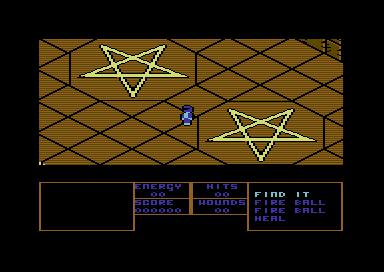
For JP nerds, this is the fun part: Wizardry isn’t just an old dungeon crawler, it’s part of the language of Japanese RPG culture. This anniversary story gives us a fresh excuse to look at the manga version, the artist behind it, and why a western-born game still feels so at home in Japan.


Wizardry marks 45 years, and Japan is still celebrating
Wizardry has reached its 45th anniversary, and that number alone says a lot about its staying power. The original dungeon RPG first appeared decades ago, but in Japan it never really left the conversation, especially among players who love tough systems, party building, and that old-school sense of danger.
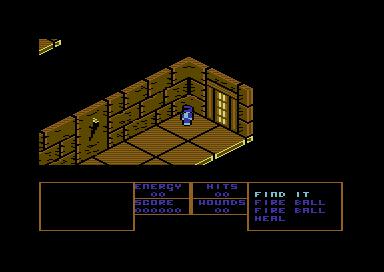
According to the original announcement from PRTimes, the anniversary spotlight includes a special interview tied to the manga version, with Ishigaki Tamaki taking centre stage. That matters because Wizardry has never been only a game series in Japan. It’s also become a reference point for fantasy design, game art, and even the way later Japanese RPGs think about labyrinths, monsters, and punishment for bad decisions.
Quick detour: if you’re learning Japanese, Wizardry is a good example of how game terms travel across media. Words like まず (mazu, first; to begin with), ステータス (sutasu, status), and daikuen style “party” vocabulary often appear in RPG talk, and Japanese fans have built a whole culture around discussing builds, classes, and dungeon survival. That brings us to the anniversary project itself, which feels aimed at both long-time players and newer fans coming in through manga, mobile games, and modern remakes.
There’s also a broader timing story here. Recent coverage around Game*Spark noted anniversary-related Wizardry visuals and fan activity, while another report highlighted September 15 as “Wizardry Day” in Japan. So this isn’t a one-off anniversary post, it’s part of a longer campaign to keep the brand visible across different corners of the fandom. My tip: if you’re following Japanese game news, watch how classic series often come back through art, events, and side projects before you see big game announcements. Sounds good, right?
Why the manga version matters for Wizardry
Unlike what we’re used to with many western franchises, Wizardry in Japan has often lived through adaptation and reinterpretation. The manga version gives the series another way to communicate its mood, its monsters, and its harsh fantasy logic without relying only on gameplay. That matters because Wizardry’s appeal isn’t just mechanics, it’s atmosphere.
The dungeon-crawling structure is famously unforgiving. Lose your bearings, make one wrong choice, and the party can get wrecked. In manga form, that tension can be shown visually, with composition, facial expressions, and monster design carrying the same sense of risk that the game built through menus and numbers. That’s why the manga version is more than merchandising. It’s a translation of the franchise’s identity into another medium.
Before I forget: this is also where Japanese fandom tends to be especially strong. Manga and games constantly feed each other in Japan, so a property like Wizardry can keep finding new readers even while staying anchored to its retro roots. Basically: the manga isn’t a side dish, it’s part of how the brand stays alive. Convinced yet?
Ishigaki Tamaki and the art of retro fantasy
Ishigaki Tamaki’s involvement gives the anniversary project a very specific visual personality. In retro RPG circles, artist identity matters a lot, because fans notice whether a character feels heavy, elegant, brutal, or playful. Wizardry needs that balance. It has to look dangerous, but still inviting enough that people want to keep opening the next door.
What I especially like about this kind of anniversary interview is that it turns attention towards craft. Fans often talk about series history in broad strokes, but artists shape the memory of a franchise in a much more concrete way. A face, a weapon silhouette, a monster’s posture, these details stick. Highly recommended: if you’re studying Japanese media culture, keep an eye on how interviews like this frame an artist not just as an illustrator, but as a custodian of tone and legacy.
Oh, almost forgot: this is the sort of project that also helps newer Japanese learning fans connect vocabulary with context. Words like 入れ墨 (irezumi, tattoo) style visual motifs, yamai no ma, or simply dark fantasy-related language show up often in fan discussions around classic RPG art. You don’t need to memorise every term, but seeing them in a real franchise context makes them easier to remember. Wild, isn't it?
What this anniversary says about Wizardry’s place in Japan
Wizardry’s 45th anniversary is a reminder that some game series become cultural objects, not just products. In Japan, the series still resonates because it helped shape the DNA of dungeon RPG design, and because it fits so neatly into the country’s love of fantasy illustration, strategy talk, and serialised storytelling.
That’s also why the announcement around the manga version feels smart rather than nostalgic for nostalgia’s sake. It gives fans a concrete new entry point, and it lets the franchise speak in a visual language that Japanese audiences already trust. For JP nerds, that’s the interesting part, not just that Wizardry is old, but that it still knows how to change form without losing its core identity.
My verdict: if you care about retro RPG history, or you’re learning Japanese through games and manga, this anniversary project is worth following closely. It shows how a classic can keep evolving while staying recognisably itself. Sounds good, right?
Frequently Asked Questions
What is the main news here?
Wizardry is celebrating its 45th anniversary with a special manga-related interview featuring Ishigaki Tamaki.
Why does Wizardry matter in Japan?
It helped shape the culture around dungeon RPGs, and it still influences Japanese game art, fandom, and fantasy storytelling.
Is this useful for Japanese learners?
Yes. It connects game vocabulary, manga culture, and Japanese fandom language in a real-world context.