Here’s the deal: this isn’t a vague promo campaign, but a concrete Animate tie-in with a clear start date and a strong collector hook. If you follow Japanese manga releases, or you’re learning Japanese through series browsing and merch culture, this is the kind of event that teaches you a lot about how fandom works in Japan. Sounds good, right?


Kodansha FES 2026 lands at Animate on October 10
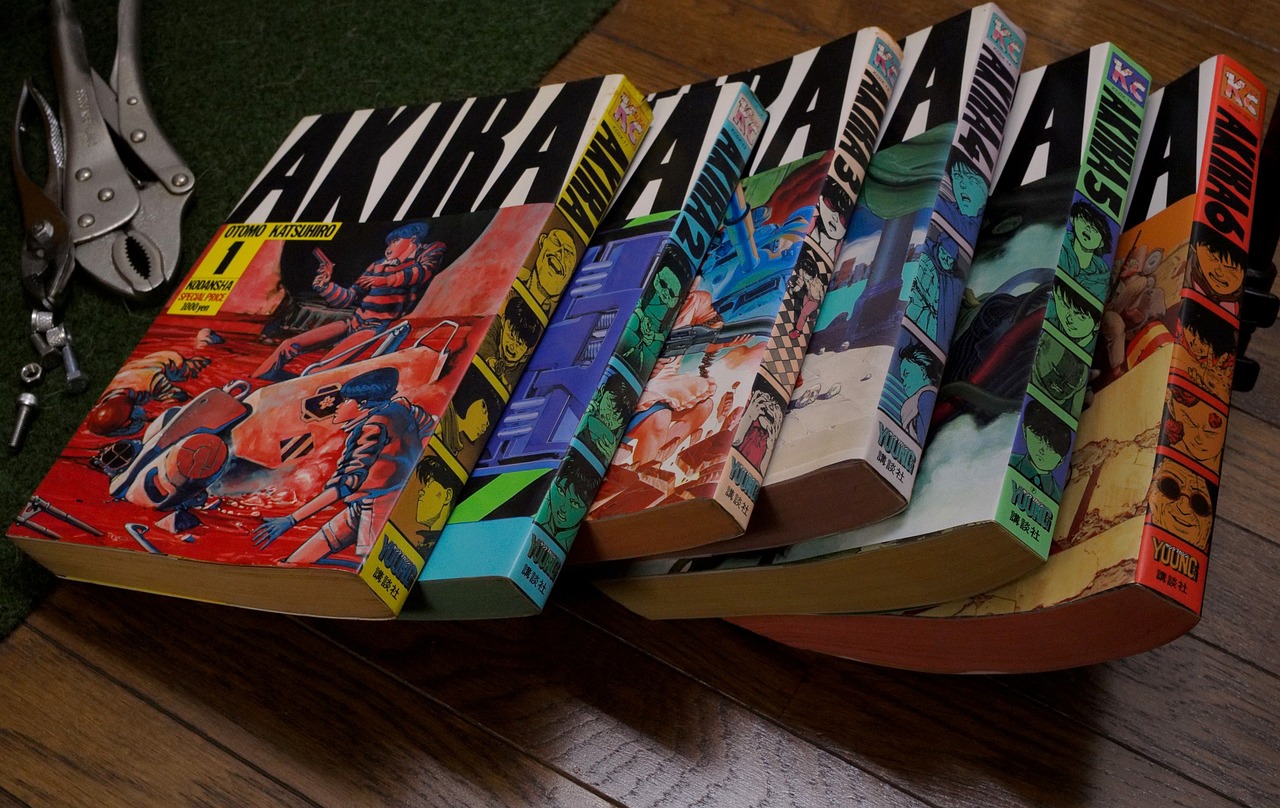
Kodansha FES 2026 will run at Animate from October 10, and the headline number is easy to remember: 40 works are included, according to the original announcement on PR TIMES. That’s a big enough spread to give different types of fans something to chase, whether they follow long-running battle manga, romance, or school-life stories.
What I especially like is the clean, practical set-up. No vague teasing, no half-baked reveal, just a date, a venue, and a clear list size. Basically, that makes it much easier for fans to plan a visit, check which series are participating, and decide whether they want to go for the display side, the shopping side, or both.
Animate is a smart stage for this kind of campaign, because the chain sits right at the centre of modern オタク (otaku, fan; geek; obsessive fan) retail culture. You can often find books, character goods, and limited bonuses in the same space, which means the event feels more like a seasonal fan stop than a simple book promotion. Not bad, right?
Why the 40-works format matters for manga fans
Forty titles is a strong line-up, and that number matters because it spreads attention across a wider slice of Kodansha’s catalogue. A smaller campaign can feel narrow fast, but a larger one gives shoppers a real chance to discover a series they hadn’t been watching closely.
To be fair, that’s one reason Japanese publisher events work so well for language learners too. You see series names, character goods, and store signs in context, and suddenly words like 特典 (tokuten, bonus item; special perk), 展示会 (tenjikai, exhibition; display event), or 将来 (shorai, future) show up in a way that sticks. If you’re trying to learn Japanese from real-world material, that kind of repeat exposure is gold.
On a related note, events like this also show how publishers think in terms of physical presence. Online buzz is useful, of course, but a limited campaign inside Animate pushes fans to a shop floor, where browsing becomes part of the experience. That mix of convenience and scarcity is classic Japan retail culture. Sounds weird, but it’s true.
What fans are really coming for
The main draw isn’t just the participating works. It’s the possibility of finding something you can’t easily get later, and that’s where the collector instinct kicks in.
For manga fans, especially those who follow event-only promotions, the appeal is very simple: limited items feel like proof of timing. If you show up at the right moment, you get the bonus; if you miss the window, it may be gone. That urgency is a big part of the fun, and also the frustration. Personally, I think that tension is exactly why these events stay memorable.
The exclusive mini shikishi are the real fan hook
Here’s the deal: the event includes three exclusive mini 色紙 (shikishi, colored paper board / autograph board) designs, and that is the detail many collectors will care about first. Mini shikishi are a very Japanese kind of bonus item, small illustration boards that feel display-worthy but still portable enough to tuck into a collection.
In fandom terms, shikishi sit in a nice sweet spot. They are more personal than a standard postcard, but less expensive and space-hungry than a full-size art print. That makes them ideal for in-store campaigns, because they feel special without becoming impossible to distribute widely.
My tip: if you’re learning Japanese, pay attention to how these bonuses are described in store promotions. Terms like limited, bonus, and original goods come up constantly, and they’re worth learning in romaji so you can spot them faster in the wild. The culture around extra gifts, or おまけ (omake, freebie; extra bonus), is a huge part of Japanese shopping language.
By the way, these three mini shikishi also give the event a sharper collector identity. A campaign with 40 works is broad, but the exclusive bonus item is what turns broad interest into actual foot traffic. That combination is exactly why publisher-store collaborations still matter so much in Japan.
What this says about Kodansha and anime-era fandom
Even without heavy drama around the announcement, the set-up says a lot about how Kodansha approaches fandom in the anime era. The company knows that readers don’t just want information, they want experiences, physical goods, and reasons to visit a store in person.
A great example is how these events connect publishing with retail culture, then add a bonus layer that rewards timing. That’s very different from a plain online ad. It feels local, seasonal, and a little competitive, which is exactly what many Japan fans enjoy about limited promotions.
For jpnerd.com readers, the event is also a neat reminder that Japanese media culture often moves in clusters. A manga title, a store campaign, and a collectible bonus can all support each other at once. If you’re learning Japanese, that ecosystem is worth watching closely because it teaches you how fans actually talk, shop, and share recommendations. Simply brilliant.
Frequently Asked Questions
When does Kodansha FES 2026 at Animate start?
It starts on October 10, according to the original announcement.
How many works are included?
The event features 40 works in total.
What is the main exclusive item?
The key bonus is three exclusive mini shikishi designs.