
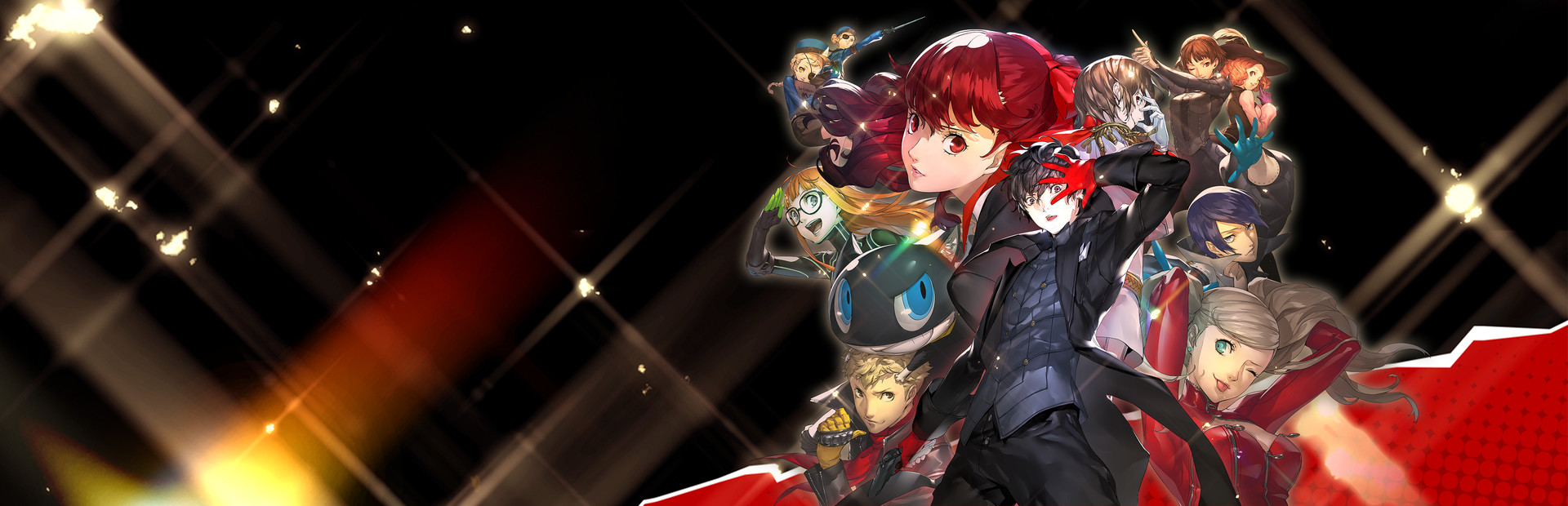
And honestly, that’s why people still won’t shut up about it, in the best way. The base game was only the beginning, because Persona 5 kept living through spinoffs like Persona 5 Strikers, Persona 5 Tactica, and Persona 5: Dancing in Starlight, which kept stretching the same obsessions in very different directions.


Persona 5 hit the point where Persona became a cultural argument
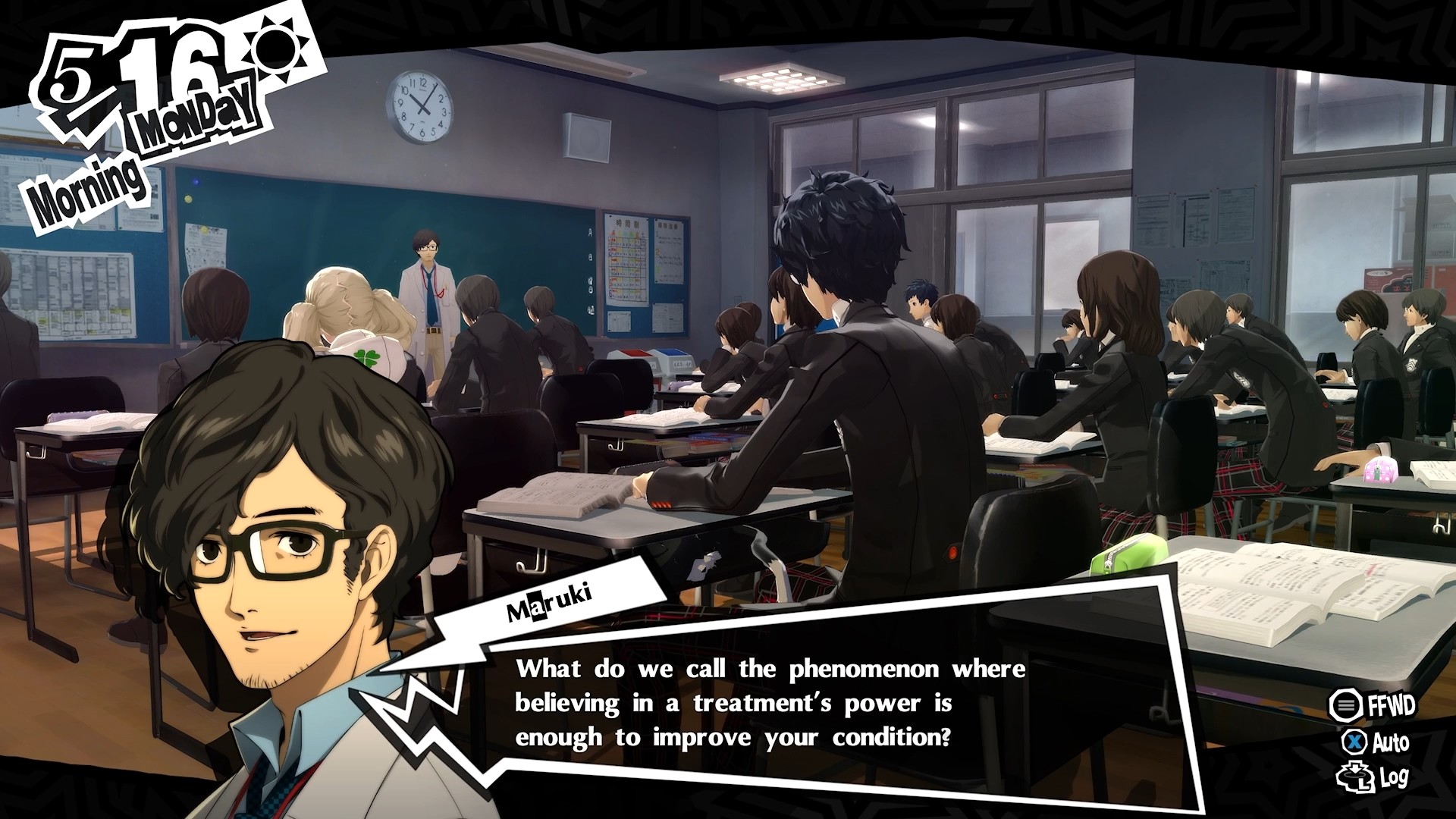
Persona 5 is 10 years old now, and that matters because this was the game that pushed Atlus’s identity obsession from subtext into neon-red, mask-on-your-face text. The 2016 release, developed by P-Studio and published by Atlus, took the series’ old dual-life premise and made it feel political, theatrical, and a little bit furious. According to GamesReviews.com, that framing, masked teenagers stealing corruption out of adults’ hearts inside a supernatural Metaverse, gave the series a sharper edge than Persona 3 or Persona 4 had managed.
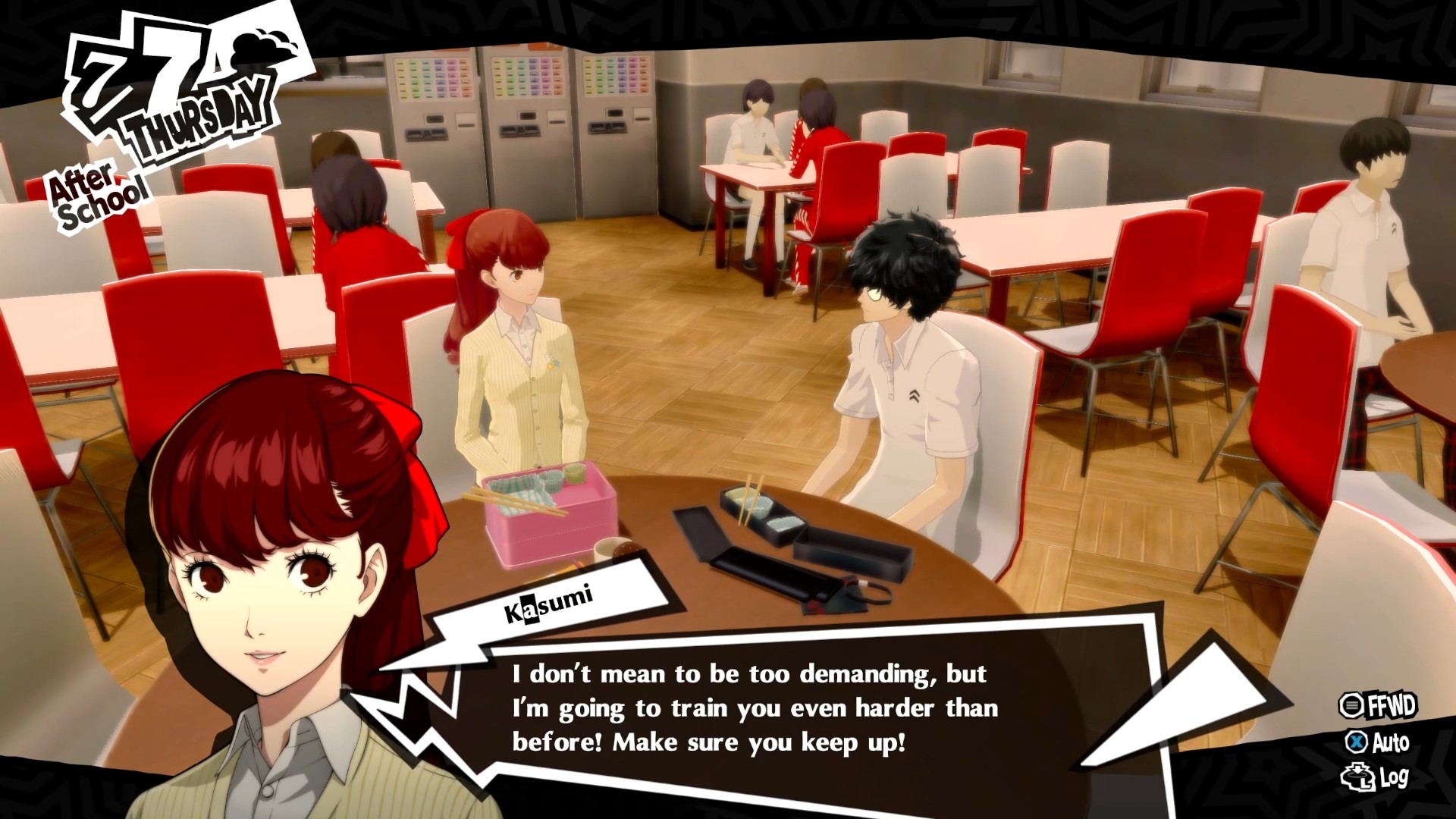
That’s the key thing, really. Persona had always cared about who people are in public versus who they are underneath, but Persona 5 turned that into a full-on statement about social pressure, performance, and the ugly systems adults build and then pretend are natural. And because it wrapped that in style, heists, and extremely extra presentation, it landed with people who might never have cared about a straight moral lecture. Not bad, right?
What most people don't know is that kind of game design does a lot of heavy lifting for language learners too. Persona 5 keeps repeating ideas like mask, truth, shadow, freedom, and rebelling, so even if you are only picking up romaji notes and listening for familiar words, you end up with a weirdly useful vocabulary cloud around identity and social roles. It is the sort of game where the theme is baked into the menus, the combat, the character arcs, the whole thing. See what I mean?
Why the identity theme still feels so current
Seriously though, Persona 5 did not just say, “be yourself”, which would have been boring and kind of cooked. It asked a much nastier question, which is what happens when the self you perform every day is shaped by school, work, authority, shame, and the fear of getting punished for standing out. That is why the game still gets cited whenever people talk about identity in games, especially in Japanese RPGs where the protagonist is often a blank slate with a name and a haircut.
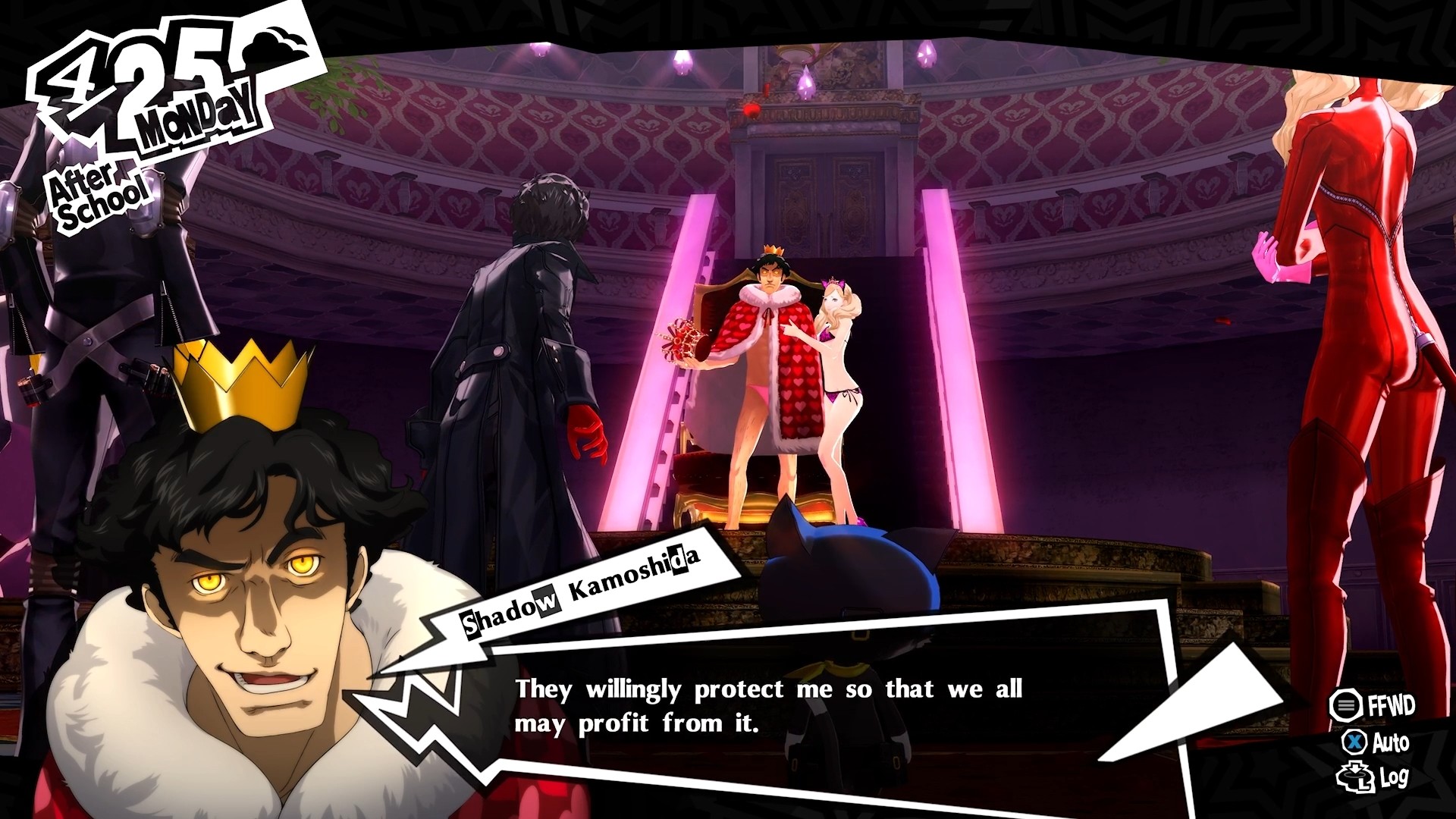
Hand on heart, I think that is why Persona 5 became such a key game for Atlus. It was not only successful, it gave the company a clean, durable language for everything that came after. The Phantom Thieves are basically the series’ identity debate turned into a crew, and that makes the emotional stakes easy to grasp even when the plot gets unhinged, which it absolutely does.
And here's where it gets interesting. The game’s presentation made its message stick. The red-and-black interface, the jazz, the menus that feel like they are moving with attitude, the way every action looks like a declaration, all of it says the same thing the story says, which is that identity is something you perform, defend, and sometimes weaponise. That is why Persona 5 does not feel like just another JRPG sequel. It feels like a manifesto with better dungeon crawling.
The spinoffs kept the conversation alive
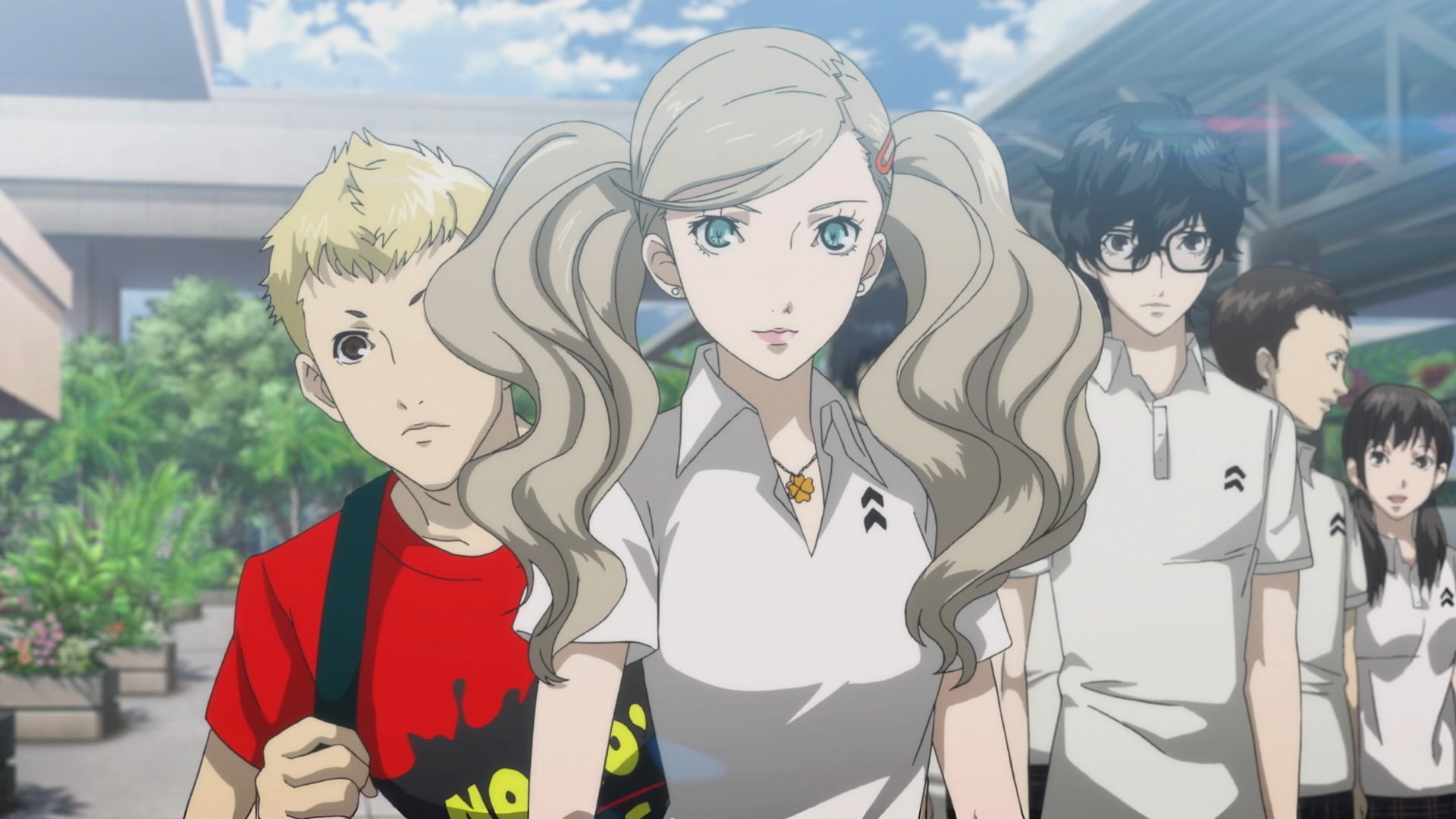
On the flip side, big franchise success can easily flatten a game’s original point into merch, cameos, and endless recycled vibes. Persona 5 dodged that trap better than most because its spinoffs kept changing the angle instead of just repeating the same joke forever. Persona 5 Strikers shifted the crew into an action RPG road trip, Persona 5 Tactica leaned into strategy with a different visual style, and Persona 5: Dancing in Starlight did the very normal Atlus thing of turning emotional trauma into a rhythm game. Love that for them, honestly.
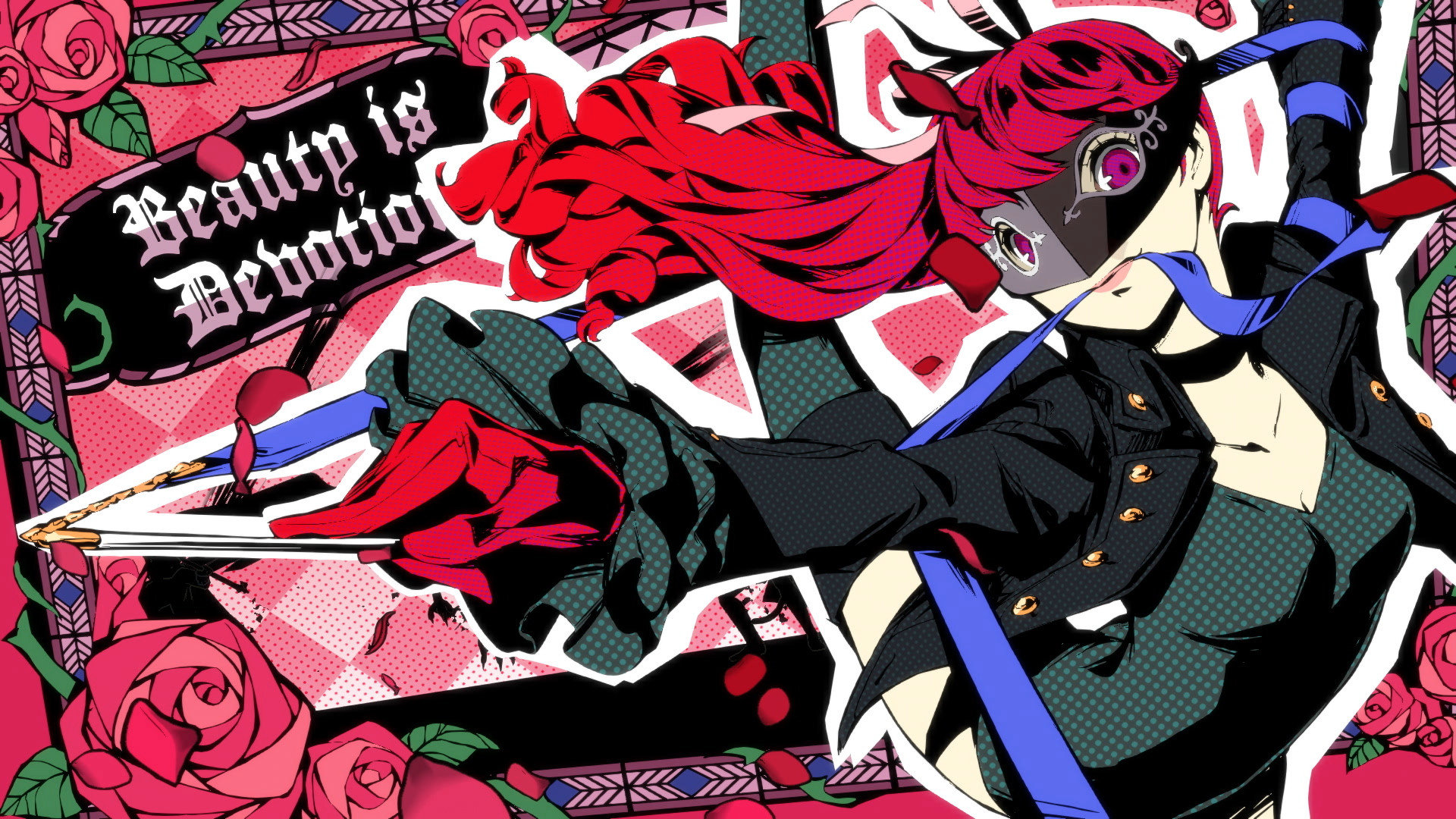
Each of those spinoffs kept the Phantom Thieves visible, but they also proved that Persona 5’s appeal was not just the original plot. It was the identity of the cast, the sense of ensemble, the friction between self-image and public image, and the fact that the group could survive being dropped into wildly different genres without losing its core. That is a big deal for Atlus, because it means Persona 5 became a template, not just a hit.
By the way, if you are learning Japanese, these follow-ups are a sneaky little bonus. Spinoff titles like Strikers, Tactica, and Dancing in Starlight may be more about branding than vocabulary, but the franchise ecosystem itself teaches you something important about how Japanese entertainment series expand. They do not always stay in one format. They branch, remix, and keep the same characters moving through new game styles, which is very on-brand for modern media in Japan. Sounds weird, but it's true.
Why Persona 5 is still Atlus’s key game
Imagine a narrow alley in Tokyo. One sign is a family restaurant, another is a tiny used game shop, and somewhere above you is a lit-up ad telling you to be productive, polite, and invisible. Persona 5 understands that kind of pressure better than a lot of games give it credit for, and that is why it still feels like Atlus’s defining modern statement. It captured the anxiety of being watched, judged, and shaped by institutions, then turned that into a stylish rebellion fantasy.
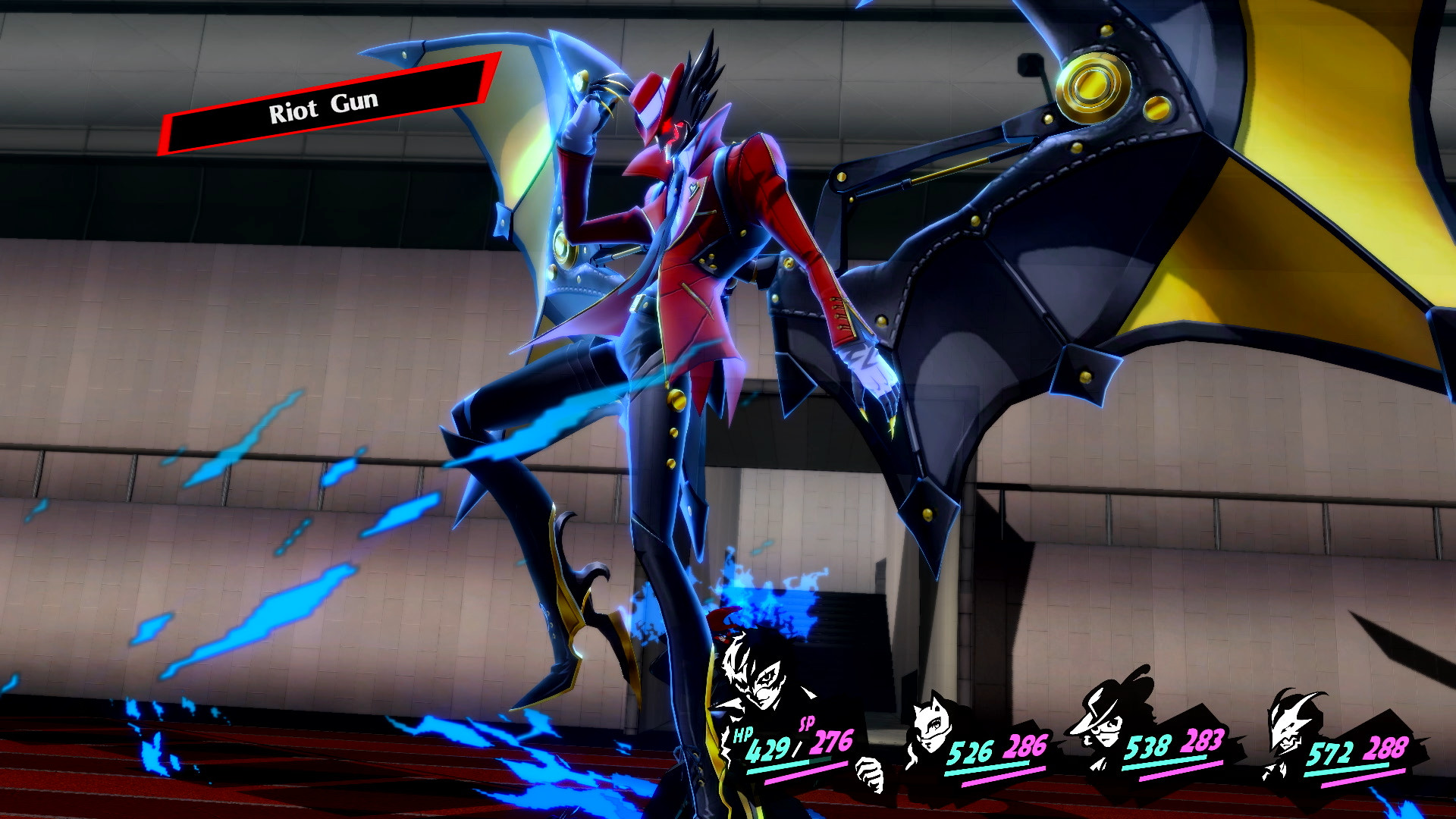
My tip: if you want to understand why Persona 5 still matters, do not only look at sales or spin-offs. Look at how often the game gets used as shorthand for a whole kind of JRPG identity, one that is flashy on the surface but stubbornly interested in social roles, private frustration, and the masks people wear to survive. That is the real legacy here. Not just a good game. A game that taught the genre how to talk a little louder about who gets to define the self.
And that, to me, is why Persona 5 is still Atlus’s key game 10 years later. It changed the tone of the series, gave the company a modern flagship, and kept giving fans reasons to argue about the meaning of rebellion, style, and personal freedom. I think I speak for a lot of people when I say, yeah, it earned that place. Sounds good, right?
In pictures
Frequently Asked Questions
Why is Persona 5 considered so important?
Because it pushed Atlus’s identity themes into a sharper, more political, and more visually distinctive form than earlier Persona games.
What spinoffs came after Persona 5?
Notable spinoffs include Persona 5 Strikers, Persona 5 Tactica, and Persona 5: Dancing in Starlight.
Why does Persona 5 matter for Japanese learners?
Its repeated themes, clear character roles, and franchise language make it useful for picking up common story vocabulary and media terminology.