
For Japan fans and Japanese language learners, this is one of those small hardware updates that says a lot about how Nintendo thinks about home play. If your Switch 2 spends most of its life in the dock, this is the update that finally gives TV use a stronger focus.


Nintendo Switch 2 VRR finally arrives in docked mode
Nintendo Switch 2 now supports VRR in docked mode, and the change came through system software update 23.0.0, according to DLCompare. That means the console can finally take advantage of variable refresh rate on a compatible TV while sitting in the dock, which is exactly where many fans expected the feature to matter most. The timing is the headline here too, because the update arrived around 16 months after launch.
What most people don't know: VRR is one of those specs that sounds dry until you see what it fixes. It helps reduce visual stutter and screen tearing when frame rates jump around, so games can feel steadier on a television. For a handheld-first machine like Nintendo Switch 2, that is a big deal once the TV becomes the main screen.
Quick detour: VRR stands for Variable Refresh Rate, and it lets the display match the console's output more smoothly instead of forcing everything into a rigid refresh pattern. On paper, that sounds like a tiny technical detail. On a living-room setup, it can make the difference between a game feeling a bit rough and feeling properly polished.
Why docked mode matters more than handheld play
TV use is the real story here. Nintendo Switch 2 is still a hybrid console, but docked play is where a lot of owners expect the system to behave like a home machine, especially for bigger RPGs, action games, and older classics. No wonder, because a TV setup is where refresh-rate issues are easiest to notice.
That reminds me: Nintendo's hardware decisions often reflect a very specific balance between portability and couch play. The word ドック (dokku, dock) may not be what Japanese learners hear every day, but the idea behind dokku mode is clear enough, a console that should work cleanly both in the hand and on the television. For learners, this is a nice practical vocab moment, because phrases like 表示 (hyouji, display) for display and 進行 (shinkou, progress) for progress often show up in system settings and tech menus.
What many overlook: VRR support is most valuable when frame rates aren't perfectly locked. That's why people who play more demanding titles, or games with variable performance, will likely notice the improvement first. If you mainly use the Switch 2 as a TV console, this update is far more interesting than it looks at a glance.
![The Legend Of Zelda: Tears Of The Kingdom Original Soundtrack [Regular Edition]](https://s.pacn.ws/1/p/18l/the-legend-of-zelda-tears-of-the-kingdom-original-soundtrack-re-802767.6.webp?v=sd9hk4&width=400)
The catch: support is still very limited
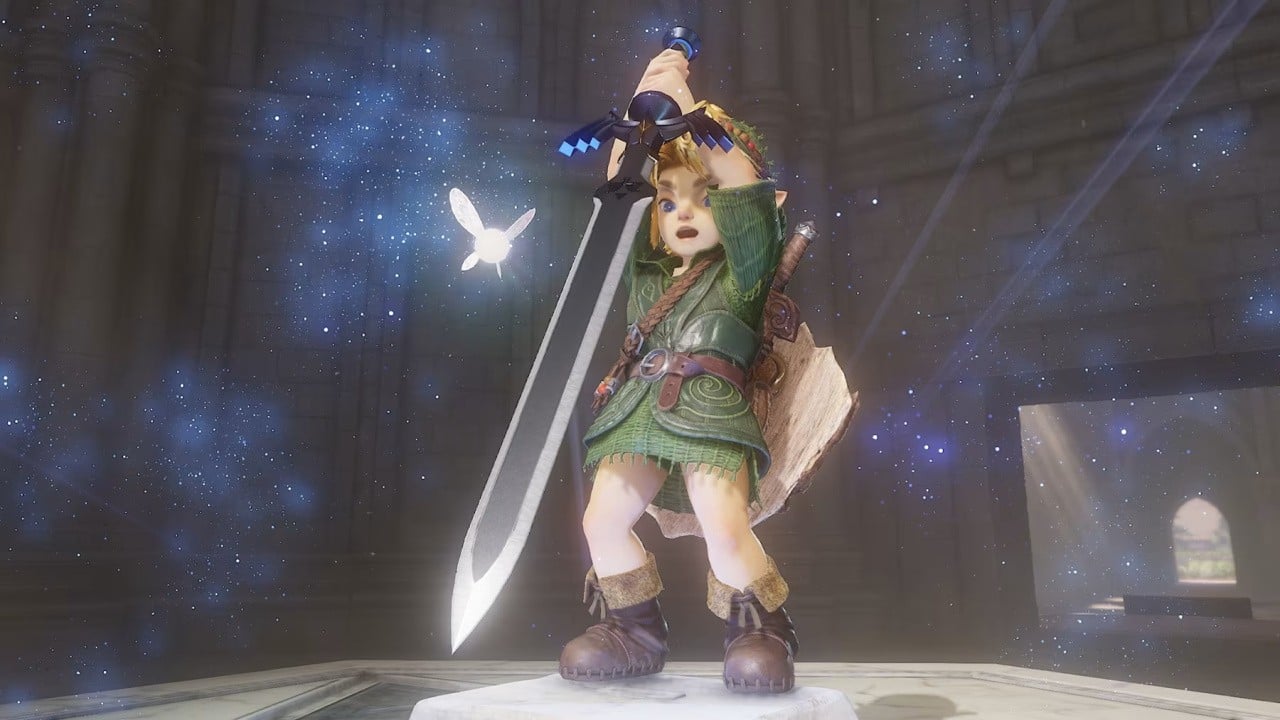
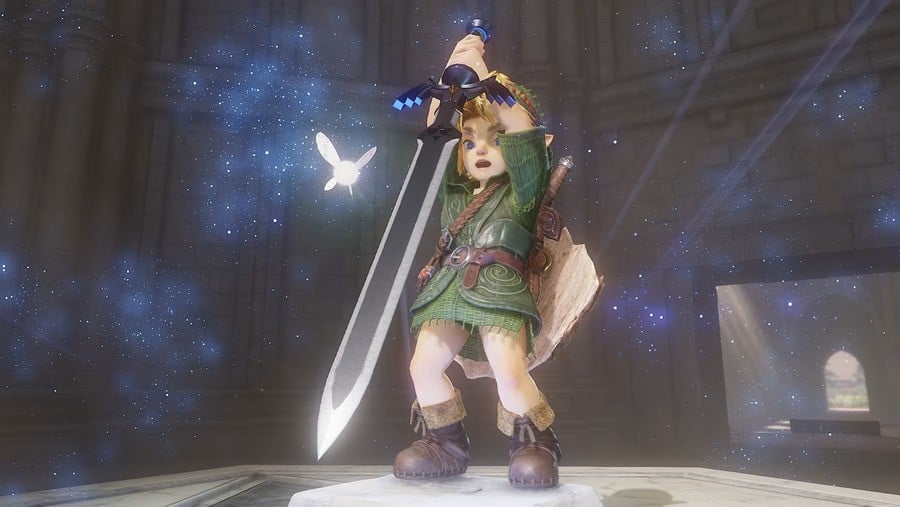
No joke: the new feature comes with a big limitation. According to the reporting around the update, Nintendo's implementation isn't broadly enabled across the library yet, and at least one listing has pointed to VRR support for only a single title so far, namely an upcoming Zelda: Ocarina Of Time on Switch 2 release. That makes the news technically important, but also a little frustrating for players who expected a wider rollout.
The reason is simple: hardware features only become exciting when software support catches up. A docked-mode VRR flag in the system update is a start, not the finish line. If Nintendo expands support game by game, then the value of the feature will depend on how quickly publishers and Nintendo itself enable it across the catalogue.
For example: if you are the kind of player who keeps an eye on patch notes, firmware numbers, and display specs, this is exactly the sort of update worth bookmarking. If you are more of a casual player, you may not notice it immediately, but you will feel it when a supported game stops juddering during busier scenes. Sounds weird, but it's true.
What this says about Nintendo Switch 2's TV-first future
My tip: if your Switch 2 lives mostly in docked mode, check whether your TV actually supports VRR, because the console can only do its part if the screen is ready too. Many modern sets do, but the feature names vary, and the menu path isn't always obvious. On the TV side, look for terms like Variable Refresh Rate, FreeSync, or gaming mode settings.
For Japan watchers, this update fits a pattern Nintendo has followed for years, especially in how it treats the home screen and the living room. The company rarely chases specs for their own sake, so when it quietly adds something like docked VRR, it usually points to a practical use case rather than a flashy marketing push. Highly recommended: keep an eye on future firmware notes, because this could turn into a much bigger feature once more software supports it.
My verdict: the Switch 2 VRR update is real progress, but it is also a reminder that Nintendo often moves one step at a time. If you care about smooth TV play, this matters. If you were hoping for a broad, immediate upgrade across the whole library, this one still feels half-finished. But that's not all.
Frequently Asked Questions
What did Nintendo add to Switch 2?
Nintendo added VRR support in docked mode through system software update 23.0.0.
Why is docked VRR important?
It can make TV play smoother by reducing stutter and tearing when frame rates change.
Is VRR widely supported yet?
Not yet. The current rollout appears limited, so support depends on the game and the display.


