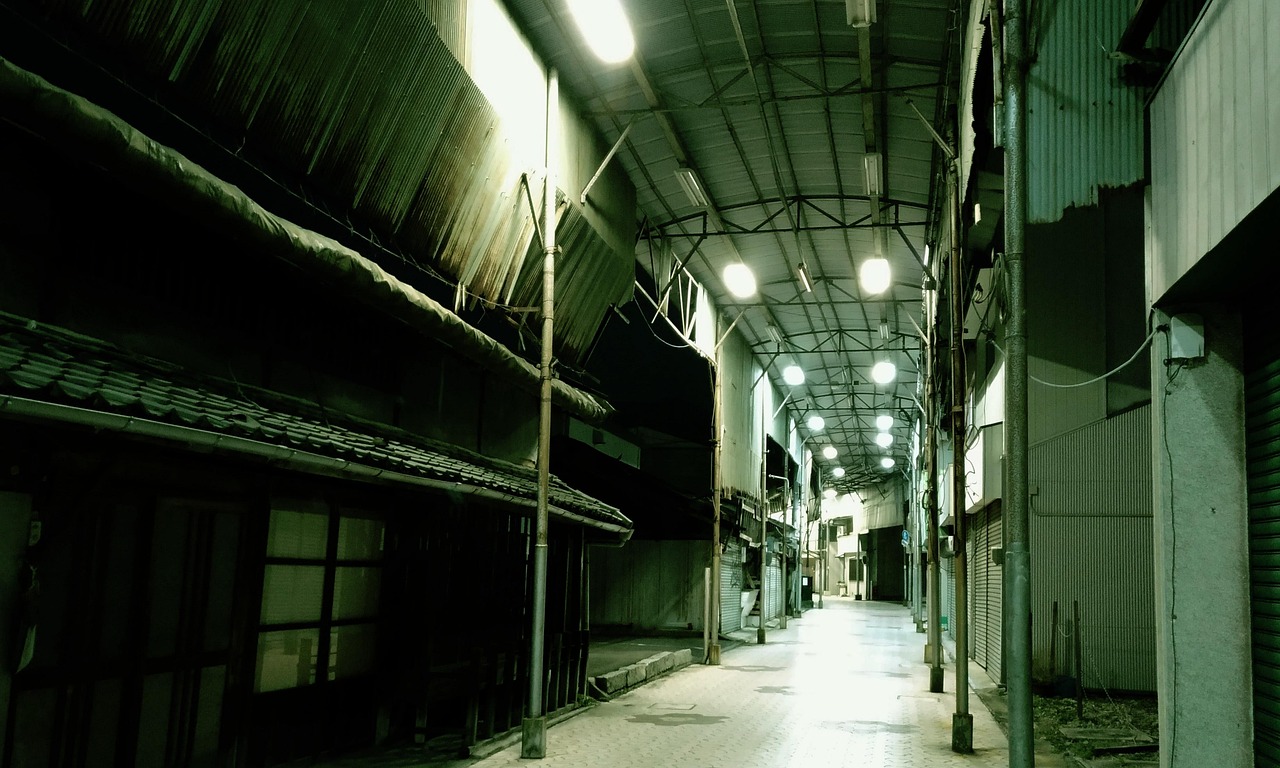
That location matters more than it sounds. Asakusa is one of Tokyo’s most tradition-heavy entertainment districts, and Hanageki-jo gives this old-school comedy property a stage with the right kind of local flavour. Classic Japan, isn’t it?


Shin Kochikame chose Asakusa for a reason
The new cast announcement for Shin Kochira Katsushika-ku Kameari Koen-mae 派出所 (Hashutsujo, police box / small police station) took place at Asakusa Hanageki-jo, which is exactly the sort of venue that tells you the production understands its own audience. This isn’t a sterile conference room with a logo banner and polite applause. It’s a theatre setting in one of Tokyo’s most recognisable neighbourhoods, and that gives the event a bit of weight. The story itself comes from the original PRTimes announcement, with additional coverage from anime.icrewplay.com and CorriereNerd.it.

For a series as culturally loaded as Kochikame, that choice isn’t cosmetic. The manga has always been rooted in a very specific kind of Tokyo everyday life, the kind that feels local even when it’s absurd. Putting a revival announcement in Asakusa ties the project back to the city texture that made the original work endure for so long. The production is basically saying: this isn’t a random remake, it’s a continuation that knows where it came from. Or at least, it should know. Convinced yet?
The new cast brings names with real recognition
Here’s the thing: cast announcements only matter if the names can carry the audience’s expectations. In this case, the production introduced Fukuji Ochiai and Shota Aoi as part of the new voice line-up for Shin Kochira Katsushika-ku Kameari Koen-mae Hashutsujo. Ochiai is especially important because he’s been cast as Ryotsu Kankichi, the loud, chaotic centre of the whole machine. That role isn’t a mascot job. It’s a timing job, a rhythm job, and a stamina job.

Shota Aoi’s presence also tells you what the production is trying to do. This is a cast event built on recognisable personalities, not anonymous utility hires. For a franchise like Kochikame, that matters because the audience doesn’t just want technical competence, it wants to feel that the character voices can support comedy, reaction, and banter without flattening the material. Hand on heart: that’s harder than it sounds, especially when a property already carries decades of viewer memory on its back. Sounds weird, but it’s true.
Why Asakusa Hanageki-jo fits Kochikame better than a generic stage
Unlike what we’re used to with routine anime press events, this one had a venue with actual atmosphere. Asakusa Hanageki-jo is associated with performance culture that feels older, more local, and more tied to live presentation than to promotional polish. That matters because Kochikame has always worked best when it feels like it’s coming from the street level of Tokyo, not from a boardroom understanding of “Tokyo-ness.” There’s a difference, and the difference is usually obvious the moment a project gets the setting wrong.




For Japanese language learners, this is also a nice little vocabulary checkpoint. Hashutsujo means a police box or small police station, while katsushika-ku names the ward, and kameari is the neighbourhood that anchors the whole title. Japanese titles often carry geographic and institutional clues right inside them, which is one reason long titles aren’t just a joke; they’re a map. If you can parse the title, you’re already getting part of the setting for free. My tip: when a series title looks intimidating, break it into place names and nouns first. That’s usually where the meaning is hiding.
What this tells us about the revival itself
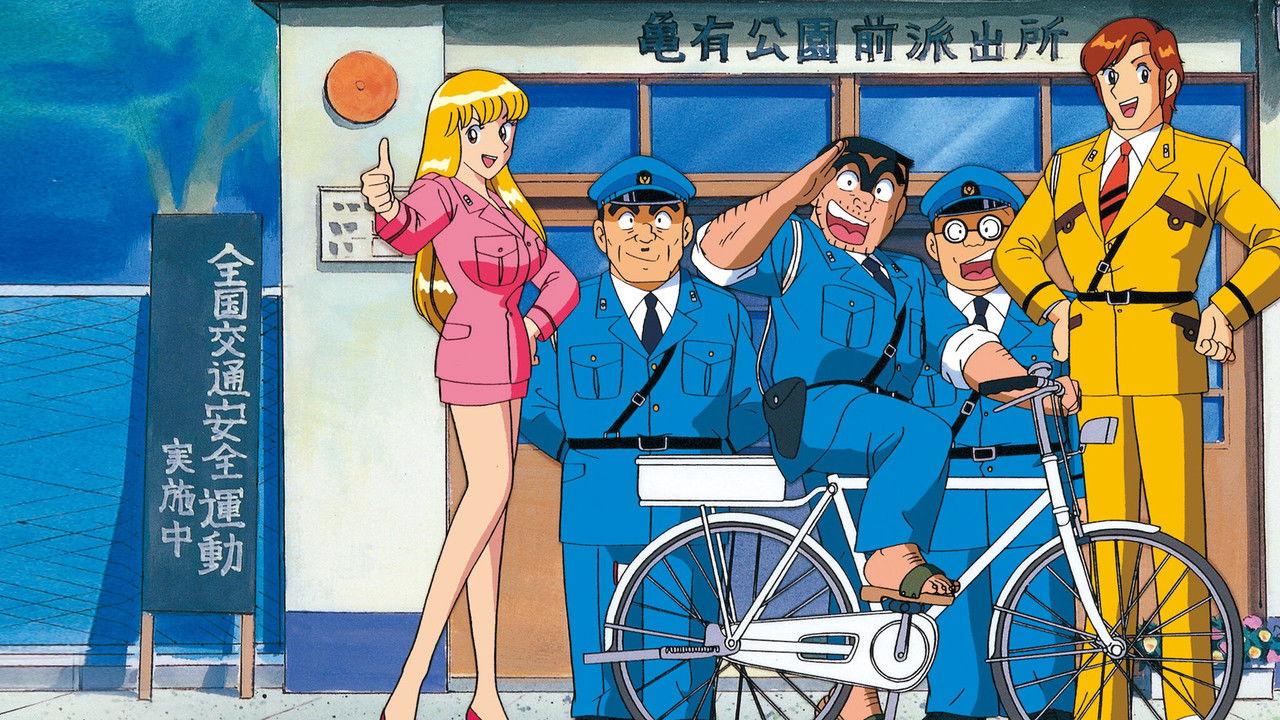
On a related note: this cast event suggests the new Kochikame adaptation is being treated as a proper production, not a nostalgia stunt. The revived title, Shin Kochira Katsushika-ku Kameari Koen-mae Hashutsujo, is a mouthful by design, but it also signals continuity. The project is leaning on the original identity instead of sanding it down for easy marketing. That’s the right call. Kochikame was never elegant in the polished, export-friendly sense; it was durable because it was specific, rhythmically sharp, and shameless about its own broad comedy.

The broader implication is simple. If you’re reviving a property this recognisable, the event presentation, the venue choice, and the voice casting all have to reinforce the same idea. First the setting says “this belongs in Tokyo.” Then the cast says “we’re serious about carrying the characters.” Finally the title reminds everyone that this is Kochikame, not a generic retro-comedy rebrand with a familiar skin. That’s the production logic here, and it’s sensible. Which is rarer than it should be. Personally, I’ll take a revival that knows what it is over one that tries to reinvent itself into something thinner.
In pictures

Frequently Asked Questions
What was announced at the Asakusa event?
The production introduced the new cast for Shin Kochira Katsushika-ku Kameari Koen-mae Hashutsujo, including Fukuji Ochiai and Shota Aoi.
Where did the announcement take place?
It was held at Asakusa Hanageki-jo in Tokyo.
Why does this event matter for Kochikame fans?
Because it shows the revival is being framed as a serious continuation of a long-running comedy classic, not just a token reboot.