
Nintendo Direct September 2026 packed in 45 minutes of trailers, updates, and fresh reveals for Switch 2 and original Switch, according to Nintendo Life. The big names were there, but the stream also leaned on the smaller surprises that make these presentations worth a coffee break. If you care about new games, release windows, and a bit of franchise housekeeping, this was a busy one.


Nintendo Direct September 2026: the headline trailers
Nintendo Direct September 2026 ran for 45 minutes, and Nintendo used most of that time the way it usually does when it has a lot to show, not much to explain, and a brand calendar to keep moving. According to Nintendo Life, the presentation covered new announcements, updates, and reveals for Switch 2 and original Switch, which means the trailer reel ended up doing most of the heavy lifting.

The two names that stood out immediately were Metroid Ravenous and Kirby and the World Beyond. Those are the sort of franchises that do not need much introduction, even if you're only half paying attention while checking a Japanese vocab app between trailers. Nintendo knows this, of course, so the Direct leaned on familiar series strength, then filled the gaps with new titles and release timing. That’s a very Nintendo move, and it still works.
My tip: if you're learning Japanese through games, these Directs are useful for something more practical than release hype. You get recurring words like 世界 (sekai, world) for world, 冒険 (bōken, adventure) for adventure, 戦士 (senshi, warrior) for warrior, and genre labels that keep showing up across trailers. That kind of repetition is handy. Quietly useful, not flashy. The best kind of study material, really. But that's not all.
Metroid Ravenous and what it signals
Metroid Ravenous was one of the clearest anchors in the presentation, and it matters because Metroid is one of Nintendo's most recognisable action-adventure brands. The series has long balanced isolation, exploration, and combat, which makes every new entry feel like a small design audit. What changes? What stays? What gets modernised without losing the mood?
The reason is simple: Metroid trailers usually sell tone first and mechanics second. That is part of the appeal. You're watching for atmosphere, movement, and the promise that Nintendo has not sanded off the edges too much. Let's be honest: that can be a good thing or a warning sign, depending on how aggressively the company chases broad appeal. In this case, the trailer presence alone tells you Nintendo wants Metroid to sit near the top of the Switch 2 conversation, not tucked away as a niche side note.
For Japanese learners, Metroid also tends to be a nice reminder that game vocabulary often travels across genres. Words tied to systems, maps, enemies, and upgrades show up everywhere, and once you notice that pattern, it starts feeling a bit like assembling a machine from spare parts. One cog here, one switch there, and suddenly the whole thing makes sense. Classic game-localisation territory, isn't it? Convinced yet?
![Train Life: A Railway Simulator [Orient-Express Edition]](https://s.pacn.ws/1/p/14j/train-life-a-railway-simulator-orientexpress-edition-729975.9.jpg?v=rh04zb&width=400)
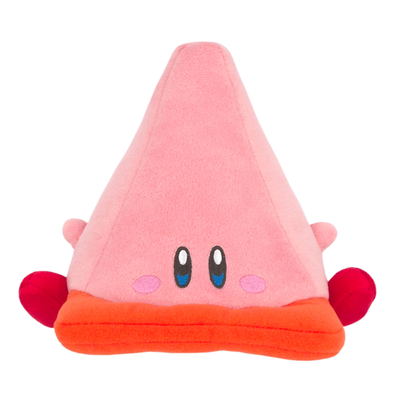
Kirby and the World Beyond brings the softer side
Kirby and the World Beyond gave the Direct a different rhythm. Kirby games usually balance playful presentation with surprisingly tight mechanics, and that contrast is part of why the series lasts. You get a pink character who looks like he should be decorating a dessert menu, then the game quietly asks you to think about movement, copy abilities, and stage structure. Nintendo has always been good at that trick.
What I especially like about Kirby coverage in these showcases is that it rarely tries to sell itself as serious. It does not need to. It just needs to show motion, colour, and one or two systems that make the audience lean in. Speaking of which... Kirby is also one of the easiest places for Japanese learners to pick up genre language without feeling like they are studying. The terms around copying, abilities, and stages tend to repeat across promos, and repetition is doing half the work for you there.
To be fair: Kirby is also Nintendo's most reliable reminder that a trailer can be light on plot and still do its job. You do not always need lore-heavy exposition. Sometimes you need three clean shots, a mechanics hook, and a release target that gets people talking. That is the whole machine. No extra ornament. Not bad, right?
The rest of the Direct and why it still mattered
What most people don't know: a Direct like this is not only about the biggest franchises, it is also about filling the release calendar with enough variety to keep Switch owners checking the storefront. The September 2026 show reportedly included a mix of new announcements and updates across both Switch 2 and original Switch, which is a useful reminder that Nintendo still likes to bridge generations instead of forcing an abrupt handover.
That approach has a practical side. It keeps older hardware relevant, it spreads risk across more audiences, and it gives Nintendo room to stage different kinds of reveals in one sitting. A flagship action game, a family-friendly platformer, a few quieter updates, maybe one title you had not heard of before. Three beats, three audiences, one presentation. The structure is tidy. Sometimes almost suspiciously tidy.
For Japan fans, this is also where cultural context matters. Nintendo's Direct format feels a bit like a curated お土産 (omiyage, souvenir) box, in the best sense: several small things, each wrapped with care, each meant to be unboxed in sequence. You might come for one headline title, but the smaller reveals often end up being the ones you mention later. And that, frankly, is why these events keep their grip on people. They are efficient, theatrical, and strangely polite about it. But that's not all.
Frequently Asked Questions
What was the main focus of Nintendo Direct September 2026?
The show focused on new trailers, updates, and reveals for both Switch 2 and original Switch games, with major attention on Metroid Ravenous and Kirby and the World Beyond.
How long was the presentation?
According to Nintendo Life, the Direct ran for 45 minutes.
Why should Japanese learners care about game trailers?
Trailers repeat useful vocabulary, especially words connected to genres, abilities, worlds, and gameplay systems, so they are a practical listening and reading resource.