What’s striking is how this return taps into three things at once: old-school Nintendo nostalgia, a massive VTuber wave, and a Japan-only online reaction that pushed Nintendo Japan into record territory. Let me explain why this matters, because this isn’t just a game sequel doing well. It’s a reminder that sometimes the strangest, most personal Nintendo ideas age better than the safer ones.


Tomodachi Collection: Wakuwaku Life lands with 3.8 million copies
友達 (Tomodachi, friend) Collection: わくわく (Wakuwaku, excited; thrilled; buzzing with anticipation) Life has made one thing very clear: Nintendo still knows how to turn a cult idea into a proper event. According to the discussion around the original source video, the game reached 3.8 million copies, which is an enormous number for a series that has always lived a little outside Nintendo’s usual flagship lanes.
The reason is simple: Tomodachi Collection has always been about personality, not spectacle. It’s part life sim, part social comedy machine, part toy box for weird little human interactions. For Japanese learners, that’s also why the series is so fun to follow, because even the title itself is a good vocab lesson. Tomodachi means friend, collection is borrowed English, and wakuwaku carries that buzzing, excited feeling you hear all the time in everyday Japanese.
And the thing is, that tone matters. Games like this succeed when they feel local, playful, and slightly unpredictable. That’s exactly the lane Tomodachi has always occupied, and Wakuwaku Life seems to have hit it again.
Why this comeback hit so hard
No joke: this isn’t just about nostalgia. It’s about timing. Nintendo brought back a series that many fans had mentally filed under “probably never coming back”, and suddenly it lands in a period where quirky, character-driven content is thriving again.
The best part is that the game’s style fits the current internet mood perfectly. Short-form clips, reaction culture, funny character interactions, and odd little moments spread fast now. That kind of design used to feel niche. Now it feels made for sharing.
While we’re at it, you also have to remember how long the gap was. The original Tomodachi Collection era belongs to a very different Nintendo moment, one tied to the DS and later the 3DS. Bringing that concept back after years of silence gives the sequel a built-in story, and people love a comeback story.
The VTuber wave changed the context
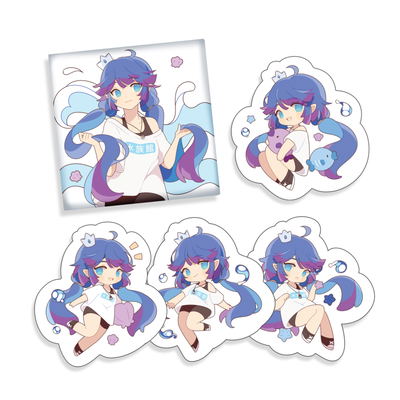
Here’s the thing, though. One big reason this revival hit so loudly is the VTuber wave. That scene has made expressive avatars, relationship drama, and spontaneous comedy way more mainstream in Japan and beyond. Tomodachi has always been about watching little digital personalities collide, so it suddenly feels closer to the way a lot of people already consume entertainment.
For example, VTuber fans are used to character-driven ecosystems where personality is the product. That’s basically Tomodachi’s whole structure, just in game form. So when a series like this returns, it doesn't just reach older Nintendo fans. It also catches a newer audience that already gets the appeal instinctively.
My tip: if you’re learning Japanese, this is a great place to pay attention to casual phrasing, emotional interjections, and everyday social vocabulary. Games and streams like this are packed with useful language that textbooks usually skip. Convinced yet?
Nintendo Japan's most-liked tweet shows how big the hype got
Guess what? The social side of this comeback may be even more striking than the sales figure. Nintendo Japan's announcement tweet became its most-liked tweet, which is a huge deal for a company account this size. That’s not normal fan enthusiasm. That’s a full-on cultural spike.
To be fair, this makes sense once you look at the ingredients. You have a beloved dormant series, a strong sales result, and a social platform environment that rewards instantly readable excitement. Add VTuber culture into the mix, and suddenly you have a post that people want to like, quote, and share purely because it feels like a moment.
And the thing is: Nintendo rarely gets this kind of very specific, very internet-native burst of affection on an announcement. That’s why the record matters. It tells you the comeback wasn't only commercially successful, it was emotionally resonant. Sounds good, right?
What this means for Nintendo going forward
I think this comeback says a lot about where Nintendo can still win big. The company does not need every return to be a giant action blockbuster. Sometimes the strongest move is to revive a weird, personal, highly expressive concept and let modern fandom do the rest.
That’s especially true now, when Japanese pop culture is increasingly shaped by streamers, fan clips, and community reaction loops. A game like Tomodachi Collection: Wakuwaku Life fits that world almost too well. It is tiny in premise, but huge in shareability.
Highly recommended: keep an eye on Nintendo’s next legacy revival, because this one shows the company still has a powerful instinct for timing. Not every old brand can do this. Tomodachi can. And that’s the whole magic.
Frequently Asked Questions
What is Tomodachi Collection: Wakuwaku Life?
It is Nintendo's comeback entry in the Tomodachi series, a quirky life-simulation game built around character interactions and social comedy.
How successful is the game?
According to the source material, it reached 3.8 million copies, which makes it a major hit for this kind of Nintendo series.
Why is this comeback getting so much attention?
Because it combines nostalgia, strong sales, and a huge online reaction, including Nintendo Japan's most-liked tweet.