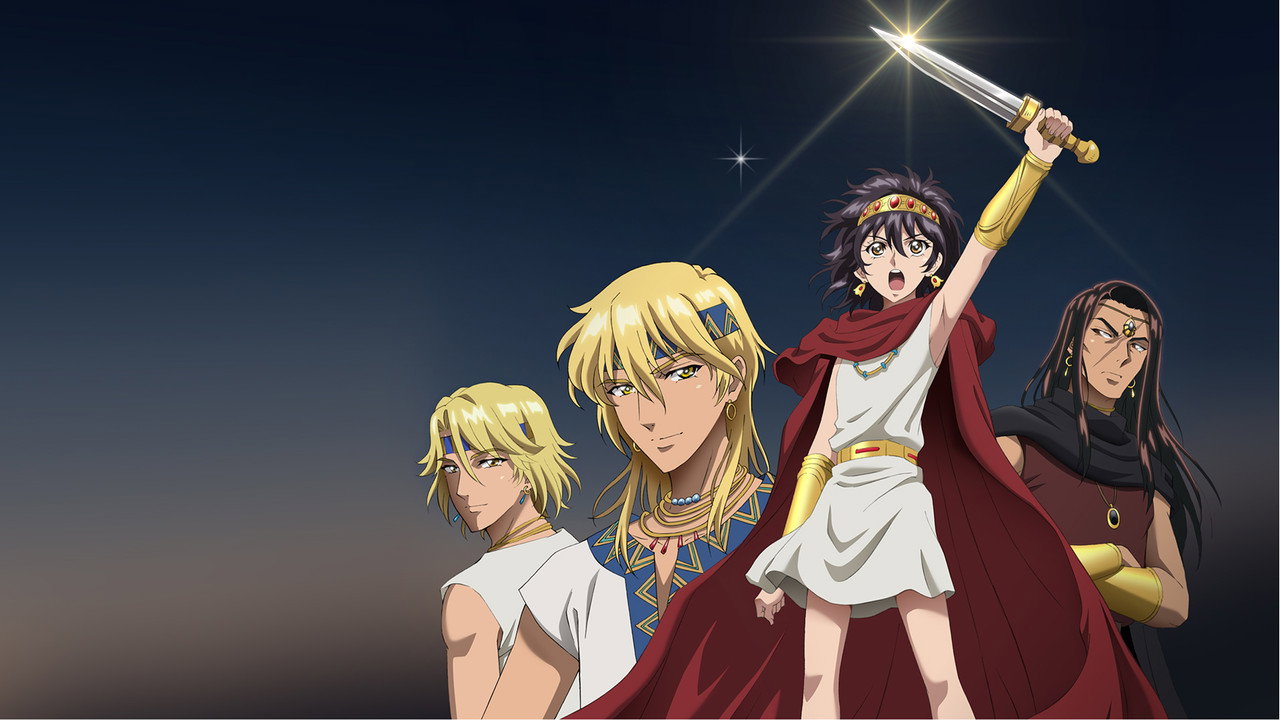
The manga’s been around for 26 years, so this announcement is less about a hot new property and more about a classic 少女 (shoujo, girl; girls' manga genre) epic getting the treatment it should’ve received ages ago. No wonder, because a story with political intrigue, time-slip drama, and historical scale was always waiting for an adaptation team brave enough to handle it properly.


Red River finally gets an anime after 26 years
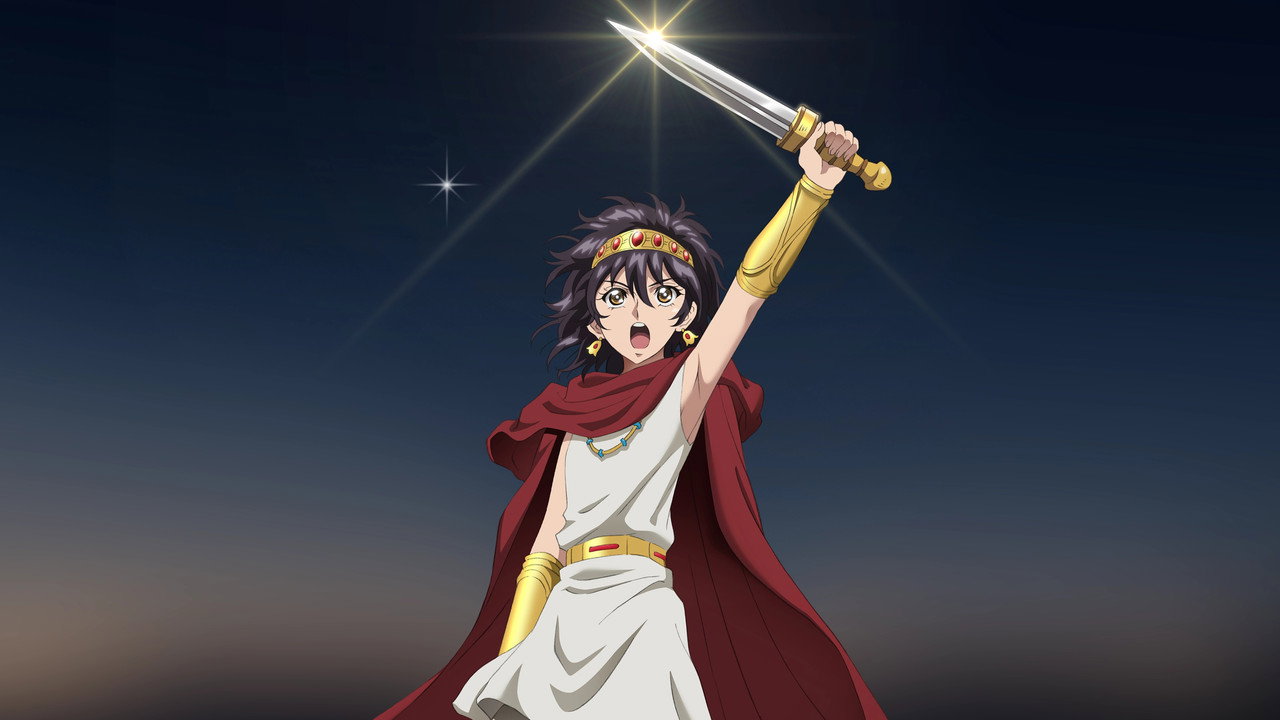
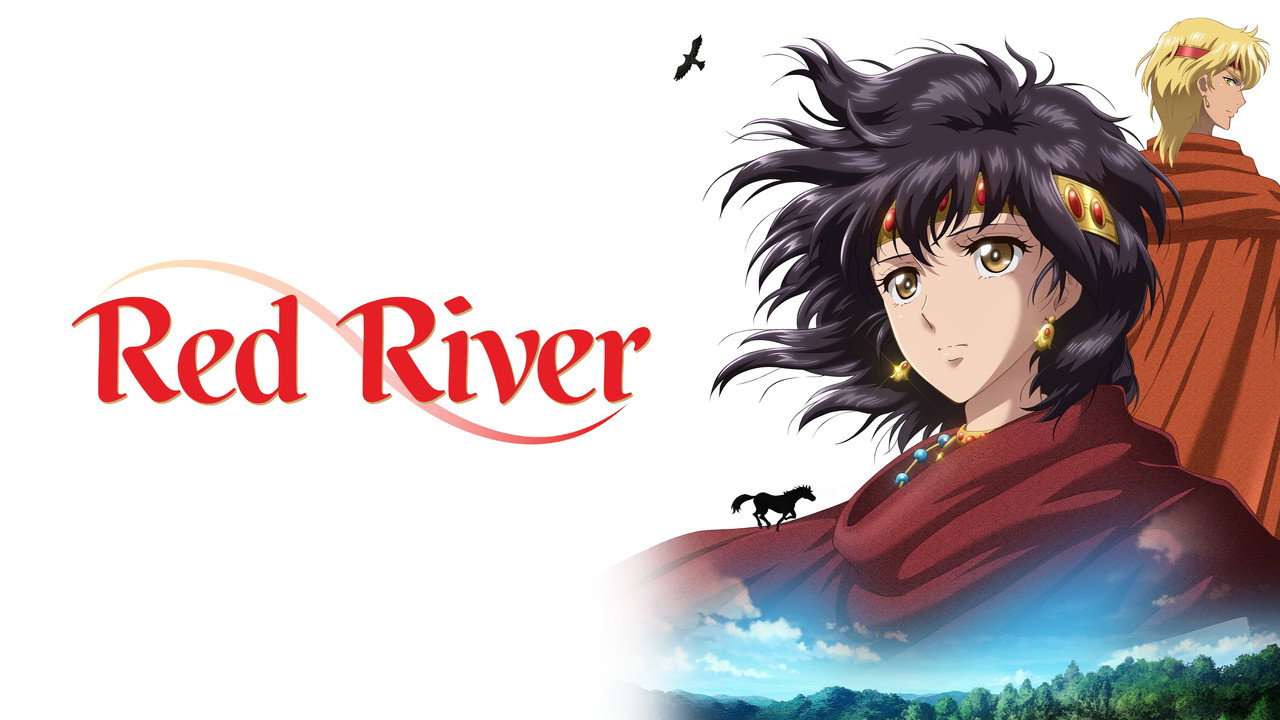
Red River is officially headed for its first anime adaptation, with Nippon TV listing a July 2026 broadcast window. That’s the headline, and it’s the one that matters: this is the first time 天 (ten, heaven) wa 赤い (akai, red) 川 (kawa, river) no Hotori will make the jump from manga to anime, 26 years after its original run began. For a series with this much reputation, that gap is almost comically large. Japanese media can be very patient, but 26 years is pushing it.
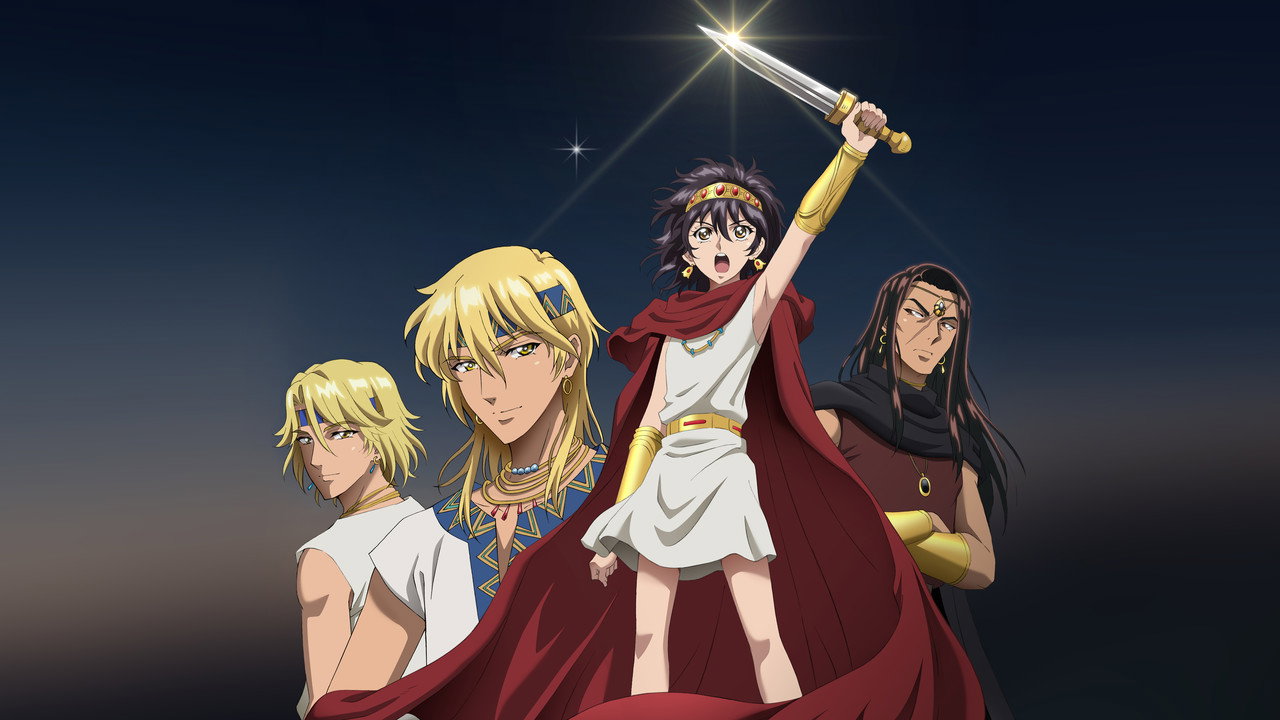
What many overlook is that this isn’t a case of an old adaptation being revived or cleaned up for a new generation. It’s the first one, full stop. If you know the manga as Anatolia Story, then you already know why people are reacting so strongly. The series has had a long afterlife in libraries, second-hand shops, and fandom memory, but animation was the one major medium it never conquered. Until now, anyway.
Here’s the catch: that delay also raises expectations. When a classic waits this long, the adaptation isn’t just competing with other current anime, it’s competing with the reader’s mental version of the story. That’s a much crueler judge. The production will need to figure out what makes it tick in practice, not just on paper, and that means pacing, setting, costume design, and the handling of the story’s historical texture will matter as much as the headline name.
Why Red River mattered long before this announcement
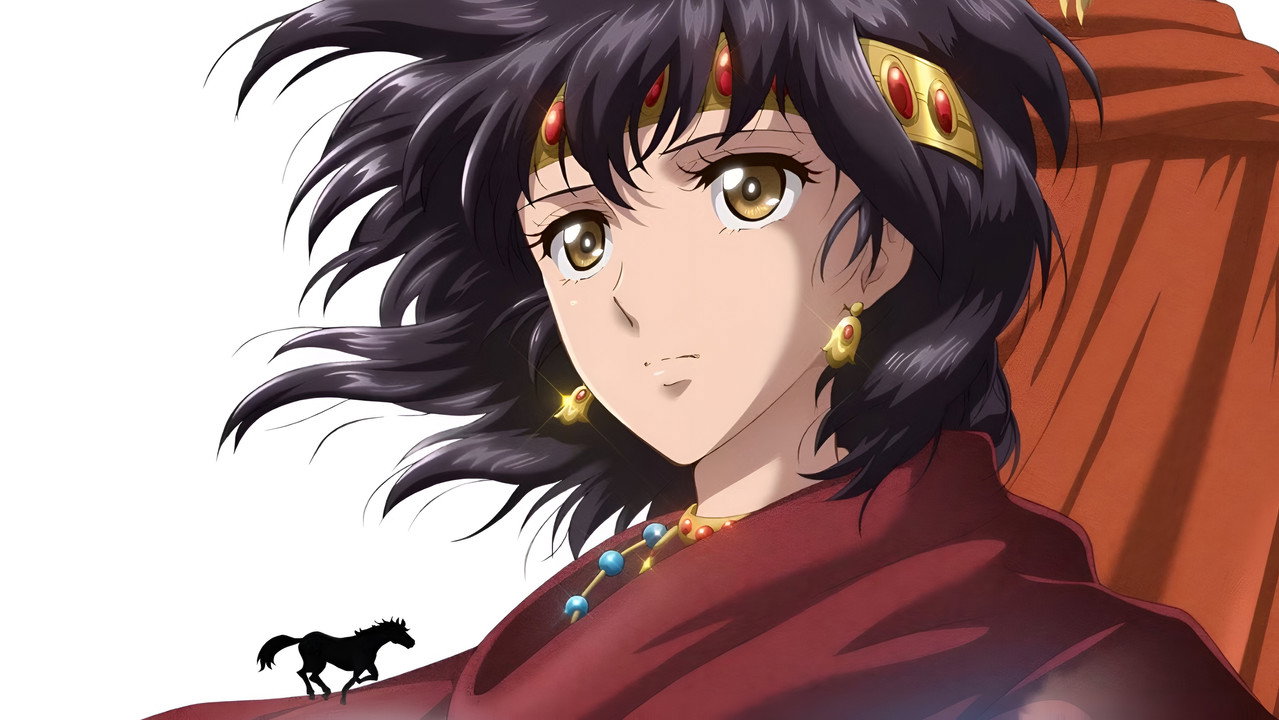
Ten wa Akai Kawa no Hotori is one of those shoujo manga titles that quietly shaped the landscape while mainstream anime discourse was busy looking elsewhere. It’s a historical romance with time-slip elements, set against the backdrop of the Hittite Empire, and it has always stood out because it treats scale seriously. Not just feelings. Not just outfits. Scale. Armies, courts, diplomacy, and survival all matter here.
For Japanese language learners, the title itself is a neat little study break. Ten means heaven, akai is red, kawa is river, and hotori means the vicinity or banks of a body of water. You can see why English publishers went with Red River, which is cleaner and easier to remember, even if it loses some of the original’s poetic shape. That kind of title comparison is useful when you’re learning: translation is often about tone, not just dictionary meaning.
And yes, the English title Anatolia Story is also doing work of its own. It signals historical distance, geography, and a more epic framing, which suits the material perfectly. I like that kind of naming choice because it tells you straight away that this isn’t a lightweight romance. It’s a grand drama wearing shoujo clothes, which is exactly why it’s survived for so long.
What the NTV timing suggests about the production
Take the July 2026 window, for instance. A broadcast slot tells you more than just a month on a calendar. It says the committee thinks the project is far enough along to point at a season, and that usually means the core production planning is already in motion. We still don’t have the full staff list in the material I’m working from here, so I won’t pretend otherwise, but the timing itself is meaningful.
Speaking of which, NTV backing the project matters because it places Red River in a visible mainstream TV position rather than some niche streaming graveyard. That doesn’t guarantee quality, of course. Television placement has never been a magic wand. But it does increase the odds that the adaptation is being handled as a proper event title rather than a dusty catalogue item pulled out of storage because someone found the rights folder.
My tip: watch how the rollout handles visuals. Historical anime lives or dies on its art direction. If the architecture, textiles, and character silhouettes feel generic, the setting collapses. If they feel specific, the whole thing lifts. That’s the real test here, and it’s the sort of thing that tends to separate a decent adaptation from one that actually understands the source material. Sounds weird, but it’s true.
Why this matters to manga fans and Japan learners
For longtime manga readers, this announcement is a nostalgia trigger with actual industry weight behind it. Red River belongs to that class of titles people have been recommending for years with a slightly tragic air, because it was always “one of those manga that should get an anime someday.” Well, someday finally has a month attached to it. Wild, isn’t it?
For Japan fans and learners, the news also opens a nice door into vocabulary and cultural context. Stories like this are a reminder that Japanese media titles often carry layers the English version smooths over. They also show how historical settings can make language learning more memorable, because terms tied to royalty, clothing, travel, or warfare tend to stick better when they’re attached to a vivid narrative. If a series gets younger viewers to notice words like jou (castle), heishi (soldier), or ou (king), that’s not a bad side effect at all.
What I especially like is that Red River isn’t being sold as trendy. It doesn’t need to be. The whole appeal is that it was already substantial before anime finally noticed it. That kind of late adaptation can be risky, but when it works, it feels less like a chase for relevance and more like a correction. Which is why this one has earned the attention.
Frequently Asked Questions
What is Red River also called?
It is known in Japanese as Ten wa Akai Kawa no Hotori and in English as Anatolia Story.
When will the anime air?
Nippon TV lists the broadcast for July 2026.
Is this the first anime adaptation?
Yes, this is the first anime adaptation of the manga after 26 years.