That timing matters because the scene changes fast, and the peak window’s short. If you’re planning a Hakone trip for autumn, this is one of the easiest seasonal stops to add, especially if you want a strong Japan travel payoff with very little hassle.
Sengokuhara pampas grass in Hakone: the 2026 peak window
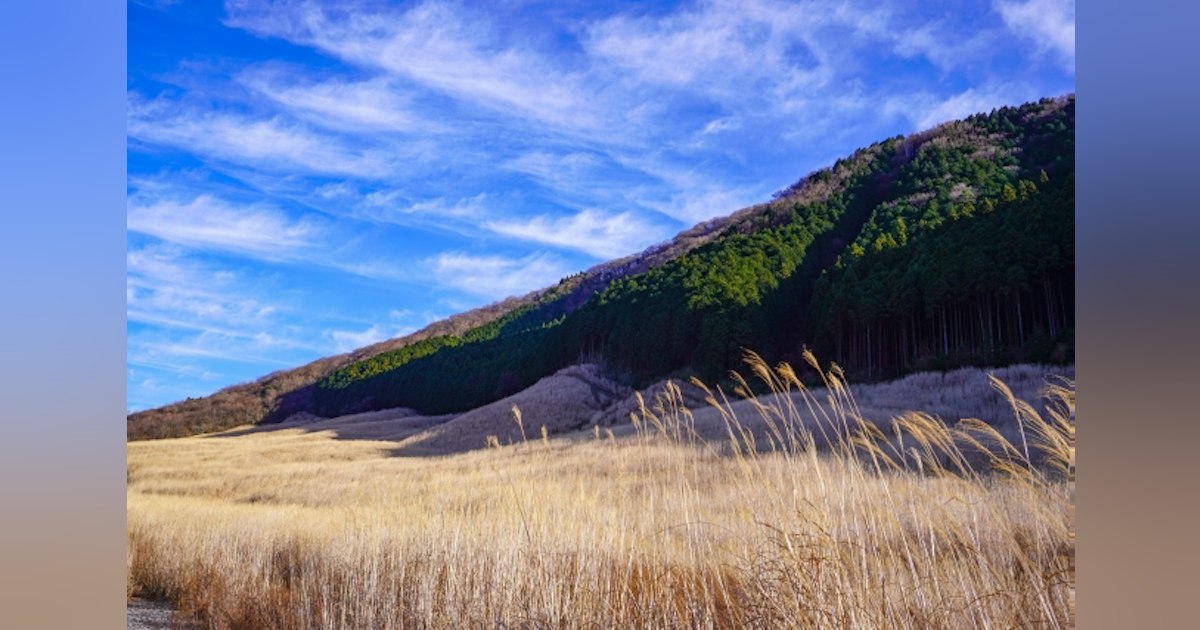
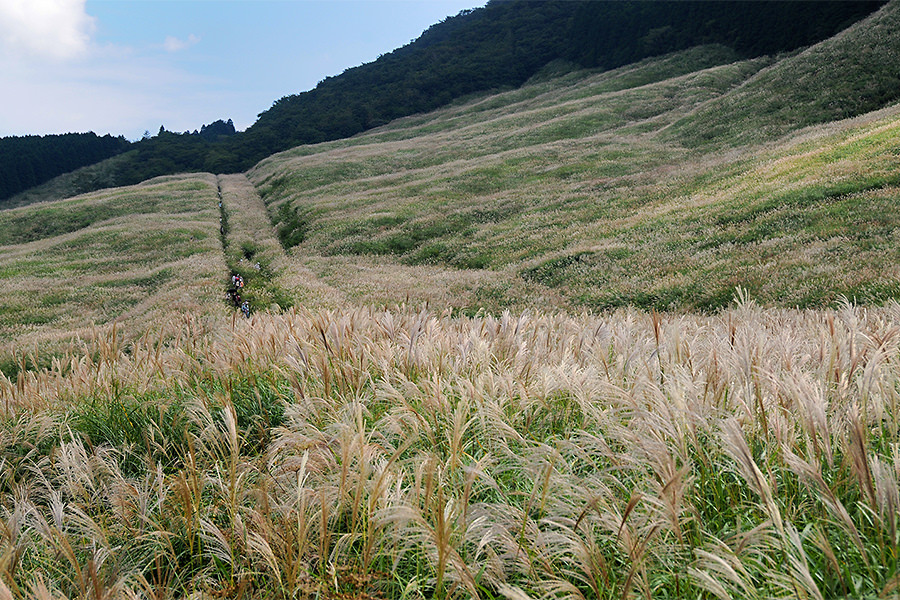
The best time to see Sengokuhara pampas grass in Hakone is late September to early November 2026, with the golden peak usually landing around the end of September into October. According to the original article from Glos Travel, this is the period when the grass reaches its most dramatic colour and height, and that lines up neatly with Hakone's early autumn mood. Take Sengokuhara, for instance. The landscape isn't a formal garden, but an open grassland, so the look feels wide, airy, and a little wild, which is exactly why people go. Not bad, right?
For Japan fans, there’s a lovely language angle here too. Pampas grass is 薄 (susuki) in romaji, and you’ll see that word in signs, travel notes, and autumn discussions across Japan. On a related note, Hakone's autumn colour season is broader than this one spot, but Sengokuhara often arrives earlier than the deeper 紅葉 (momiji, autumn leaves) wave that usually peaks later in the season. The reason is simple: grassland colour and leaf colour don’t always peak at the same time. That makes Sengokuhara a smart first autumn stop if you want an early seasonal hit.
Why Sengokuhara stands out in Hakone
What most people don't know is that Sengokuhara is one of Hakone's easiest places to enjoy a very specific autumn scene without a museum ticket, shrine fee, or reservation. The grassland is freely accessible, so you can walk through the area, stop for photos, and linger as long as you like. Unlike what we’re used to with tightly managed attractions, the appeal here is the openness itself. You’re looking at a full seasonal landscape, not just a single viewpoint.
By the way, Hakone works especially well for a 1 to 2 day trip from Tokyo, according to Japan Highlights, so Sengokuhara fits naturally into a compact itinerary. If you stay in Sengokuhara itself, you also get a quieter base than Hakone-Yumoto or Gora, with modern suites, villas, and plenty of ryokan offering private baths, as noted by Global Trip Diaries. That’s useful if you want the pampas grass in the morning and onsen at night. Classic Japan, isn’t it?


What the autumn grassland feels like
Here’s the kicker: the experience is less about a single lookout and more about walking through a soft, shimmering field. The stalks sway in the wind, the light catches the tips, and the whole hillside can look almost silver in the morning, then burn gold later in the day. My tip: if you can, aim for clear weather and a calm afternoon, because the low sun makes susuki look richer and more layered.
For language learners, this is also a good seasonal vocabulary stop. You can connect susuki with other autumn words like 秋 (aki) for autumn and momiji for red leaves, then notice how Japanese travel writing often separates grassland scenes from leaf-viewing, or 紅葉狩り (momijigari, autumn leaf viewing). That distinction helps when you're reading local guides or station posters, and it makes your Japan trip planning feel a lot more precise. Wait, there’s more.
How to plan a visit without overcomplicating it
If you’re building a Hakone route around Sengokuhara, think simple. Arrive in the morning if you want softer light and fewer people, then pair the grassland with nearby Hakone sights later in the day. On the flip side, if you’re already staying in Gora or Hakone-Yumoto, Sengokuhara is still easy enough to reach as part of a broader autumn loop, especially if your ryokan or hotel includes dinner and you want to avoid evening transport stress.
The best part is that this isn't a difficult seasonal chase. You don’t need a special pass for the grassland itself, only a sensible plan for Hakone transport and weather. Early autumn can still be warm in the daytime, so bring layers, because mountain air can cool down quickly after sunset. For example, a light jacket, comfortable walking shoes, and a camera with a decent zoom are all practical here. Simply brilliant.
Frequently Asked Questions
When is the best time to see Sengokuhara pampas grass in Hakone?
The best window is late September to early November 2026, with the golden peak usually arriving from late September into October.
Do you need a ticket to enter the Sengokuhara grassland?
No, the area is freely accessible, so you can walk through and enjoy the scenery without an admission fee.
Is Sengokuhara worth adding to a Hakone day trip?
Yes, especially if you want an easy autumn landscape stop with strong visual payoff and little planning overhead.