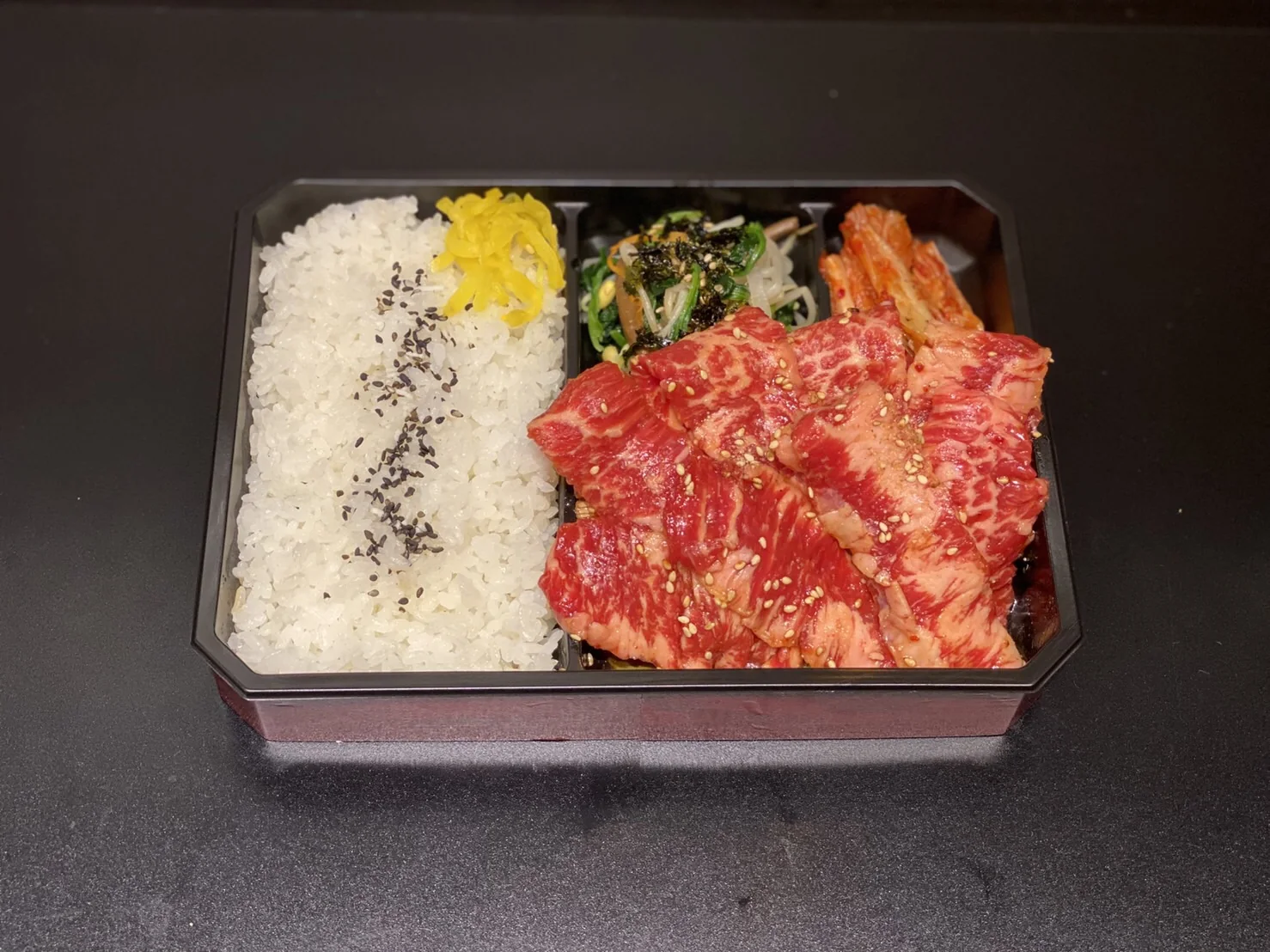
What many overlook is that this isn’t really about grand dinner theatrics, but about whether a very Tokyo, very Ginza lunch box can actually work in the real world. According to the restaurant’s official English takeaway page, both bentos are part of its takeaway offering, which makes them useful not just for office lunches, but for trains, park benches, and the sort of desk where somebody’s definitely already opened the lid too early.
Ginza Yakiniku FukuFuku and its bento logic
Ginza 焼肉 (yakiniku, Japanese grilled meat) FukuFuku sits in Ginza, Tokyo’s polished shopping district, where dinner can feel like a small ceremony and lunch, mercifully, often has to be practical. That’s the appeal here. The restaurant’s takeaway page focuses on 弁当 (bento, lunch box; boxed meal) rather than elaborate set meals, and that’s the whole point: you get beef-led food that’s meant to travel, sit, and still make sense an hour later.
No exaggeration, that’s harder than it sounds. A bento has to balance rice, seasoning, texture, and temperature, all while surviving the indignity of a commute. And in a place like Ginza, where presentation matters and lunch breaks are annoyingly finite, the format is doing a lot of heavy lifting. For Japanese learners, this is also a neat little vocabulary moment, because bento is one of those words that slips into English unchanged, then quietly carries a whole meal’s worth of cultural meaning with it.
On a related note, if you’re learning Japanese, this is the sort of menu where romaji actually helps. Words like 牛 (gyu, beef), 塩 (shio, salt; salt-seasoned), そぼろ (soboro, minced or crumbled meat), and bibimbap are easy to recognise, but they also show how Japanese menus borrow, adapt, and recombine food language without asking permission from anyone. Very rude, really. Very efficient too.
Beef Soboro Bibimbap Bento: the safer bet
The Beef Soboro Bibimbap Bento is the more immediately approachable of the two. Soboro means minced or crumbled meat, so you’re looking at a bento built around seasoned beef rather than a single dramatic slab of protein. That matters, because soboro tends to distribute flavour evenly through the box, which makes each mouthful feel measured rather than loud. It’s the culinary equivalent of a well-cut jacket. Nothing flashy, but it knows exactly where the seams are.
And bibimbap brings a further layer of comfort. Even when the dish is adapted for a Japanese takeaway box, the logic remains familiar: rice, beef, vegetables, and seasoning arranged so that you can mix, scoop, and keep going. If you want something that feels substantial without being clumsy, this is the obvious pick. My tip: choose this one if you’re the sort of person who likes lunch to behave itself. I respect that deeply.
What many overlook is that a bento like this is often the better travel companion than a more expensive cut of meat. The seasoning has room to spread, the rice can absorb the juices, and the overall box tends to stay readable even after a bit of time. For everyday use, that’s worth more than theatrical tenderness. Convinced yet?
Premium Beef Tongue Bento: the sharper, more specific option
The Premium Beef Tongue Bento is the one with a little more attitude. Beef tongue, or gyutan in Japanese menus, has a devoted following for good reason: when it’s done properly, it gives you chew, savoury depth, and a cleaner beef flavour than many people expect. It’s also, let’s be honest, a slightly better dinner party conversation starter than most office lunches manage to be.
On the flip side, beef tongue isn’t for everyone, and that’s part of its charm. If you want something softer, more universally comforting, the soboro bento will probably suit you better. But if you like a lunch box that feels more distinctive, more textural, and just a bit more adult about the whole business, the premium tongue version has a proper point of view. No wonder, because premium cuts in bento form are all about holding onto character while surviving transport, and that’s a very Japanese balancing act.
For learners, gyutan is a handy word to know, especially if you plan to read menus in places like Sendai or specialist yakiniku restaurants elsewhere in Japan. You’ll also see how Japanese food vocabulary often works by compression rather than explanation. One word, lots of context, and you’re expected to keep up. Fair enough, really.
Why these bentos make sense in everyday Ginza
Trust me on this one: the real test of a takeaway bento isn’t whether it sounds luxurious. It’s whether it fits into actual life. Ginza office workers, shoppers, and day-trippers don’t always want a long sit-down lunch, and a good bento has to be portable, tidy, and satisfying without demanding a full ceremony. That’s why these two options are interesting. They’re beef-focused, but they’re also practical in a way that suits the district.
And that practicality is very Japanese in its own understated way. You get something carefully composed, neatly packed, and easy to eat without turning the surrounding area into a scene from a minor disaster film. The Beef Soboro Bibimbap Bento leans into balance and convenience, while the Premium Beef Tongue Bento leans into flavour and texture. Different jobs, same lunchbox discipline. Sounds odd, but it's true.
So if you’re planning food stops in Tokyo, this is a good reminder that not every worthwhile Japanese meal needs a reservation and a dramatic reveal. Sometimes it just needs a well-made box, a decent seat, and the good sense to keep your expectations grounded. Believe it or not, that’s often where the best everyday eating lives. Wait, there’s more.
Frequently Asked Questions
What are the main bento options highlighted here?
The two key options are the Beef Soboro Bibimbap Bento and the Premium Beef Tongue Bento.
Why does this bento selection matter for Japan fans?
It shows how a Ginza restaurant turns premium beef into something practical for lunch, which is very useful if you want to understand everyday Japanese food culture.
Is this useful for Japanese learners?
Yes. Menu words like bento, soboro, and gyutan are good vocabulary to recognise in real restaurant settings.