This guide compares the two options using real-world criteria, so you can match the right setup to your travel style. Nagano is a great place for slow travel, and a ryokan stay can change the whole rhythm of the experience.
Nagano sauna: the core choice is day-use or overnight
In Nagano, sauna plans usually split into two clear paths, a quick day-use visit or a full overnight stay. If your goal is simple recovery after sightseeing, day-use can be enough. If you want to turn the sauna into a proper trip, an overnight stay gives you much more breathing room.
Trust me on this one: the decision isn't only about price, it’s about pace. Day-use is about efficiency, while ryokan-style lodging is about letting the whole evening unfold slowly, with dinner, bath time, sleep, and a calmer morning. According to the original article from Matsukawa-kan, 湯治 (toji, hot-spring therapy).ba MATSUKAWAKAN YAMADA ONSEN is presented as part of this kind of longer, more deliberate wellness stay. See what I mean?
Here’s the kicker: if you’re comparing sauna options in Nagano, the real question is how much of the experience you want to keep. Just the heat and cold cycle, or the whole ryokan atmosphere around it.
Day-use in Nagano: best for tight schedules
Day-use works well when you’re passing through Nagano city, or when the sauna is one stop in a bigger route. It suits train travellers, road-trippers, and people who don’t want to pack an overnight bag. You arrive, bathe, sweat, cool down, and move on.
Quick detour: day-use also fits Japan’s practical side. Many travellers already know words like onsen, ryokan, and toji, but in this context toji points to hot-spring bathing as a wellness habit, not just a one-off soak. That cultural layer matters, because a short session can still feel very Japanese if the setting is right. Sounds good, right?
What I especially like about day-use as a concept is the low commitment. You can compare multiple places in one region, test the atmosphere, and keep your itinerary flexible. If your Nagano trip includes Zenkoji, Matsumoto, or a mountain drive, day-use keeps things neat and efficient. Not bad, right?
When day-use makes the most sense
Choose day-use if you care more about convenience than immersion. It’s the better option when you have limited time, want to keep accommodation costs down, or are already staying elsewhere. It also works well for people who want a sauna reset without turning the whole trip into a spa holiday.
My tip: if you’re learning Japanese, day-use also gives you a chance to pick up practical vocabulary from signs and facility rules, like 時間 (jikan, time; hours), セット (setto), and 禁煙 (kinen, no smoking). Those little words come up all the time in ryokan and bathhouse settings. Classic Japan, isn’t it?
Overnight stay at TOJI.ba MATSUKAWAKAN YAMADA ONSEN
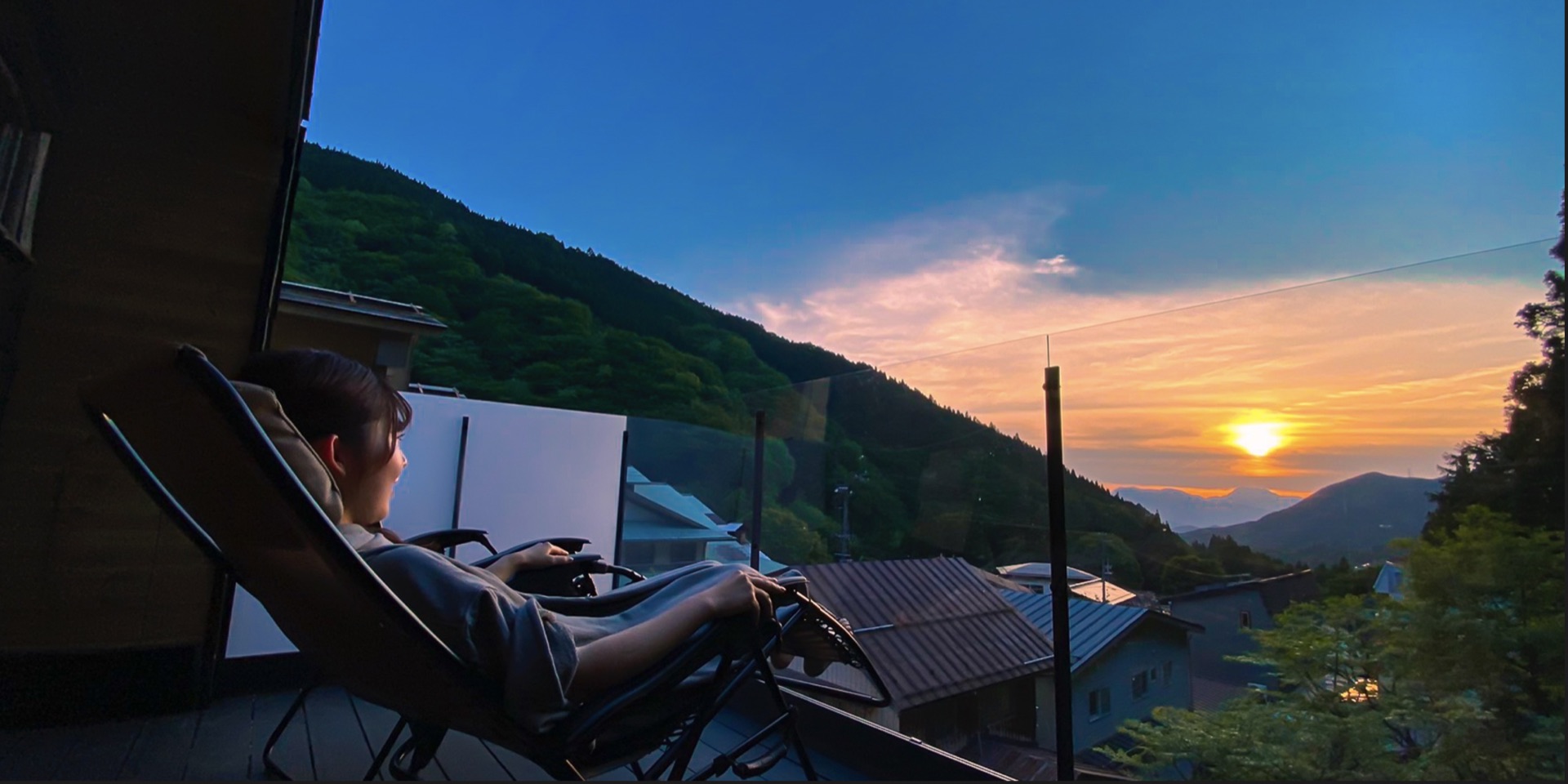
An overnight stay makes more sense when the sauna is the centrepiece, not just a stop. TOJI.ba MATSUKAWAKAN YAMADA ONSEN is the kind of place that turns bathing into a full stay experience, rather than a quick facility visit. You get more time to settle in, more time to alternate between heat and rest, and more time to enjoy the ryokan mood.
No exaggeration: this matters a lot in a prefecture like Nagano, where the slower rhythm is part of the appeal. Overnight stays let you stretch the wellness angle across the entire evening and into the next morning. You’re not rushing back to a station or checking your watch after one session. And it gets better: the next-day breakfast and morning atmosphere often feel like part of the therapy, not just a hotel add-on.
Pro tip: if you’re travelling as a Japan fan, an overnight ryokan stay is also the easiest way to experience a proper Japanese hospitality flow. From check-in to bath time to dinner, the order itself is part of the memory. That’s something a simple day-use slot usually can’t deliver. My verdict: if your schedule allows it, overnight wins for depth.
How to compare the two options without guessing
Before booking, compare four things, not just the headline price. First, time, because day-use usually suits a half-day plan while overnight gives you a full reset. Second, transport, because some properties are easier by car, while others depend on limited buses or taxis. Third, food, because ryokan meals can be a major part of the stay. Fourth, atmosphere, because some people want a quick sweat, while others want the full quiet of a mountain or hot-spring town.
On a related note: the search for sauna stays in Nagano is really a search for pace. If you want to squeeze in sightseeing, pick day-use. If you want to slow down and treat bathing as the trip itself, book the night. That simple split helps more than any fancy travel hack. See what I mean?
For Japanese learners, this is also a good place to notice how travel vocabulary mirrors experience. 宿 (Yado, lodging; inn) means lodging, 定例 (teirei, regular; routine) suggests routine care, and 休み (yasumi, rest; break; holiday) can mean rest, holiday, or a pause. Those words capture the difference between a quick visit and a longer stay better than any slogan. Trust me on this one: once you notice that, Japanese travel writing starts making a lot more sense.
Frequently Asked Questions
Is day-use or overnight stay better for a Nagano sauna trip?
Overnight is better if you want a slower, fuller experience. Day-use is better if you only have a short window and want to keep moving.
Why choose TOJI.ba MATSUKAWAKAN YAMADA ONSEN?
It fits travellers who want a ryokan-style wellness stay in Nagano, with more time for bathing, resting, and the overall atmosphere.
What should I compare before booking?
Look at time, transport, food, and how much of the experience you want to keep. Those four points usually decide it.