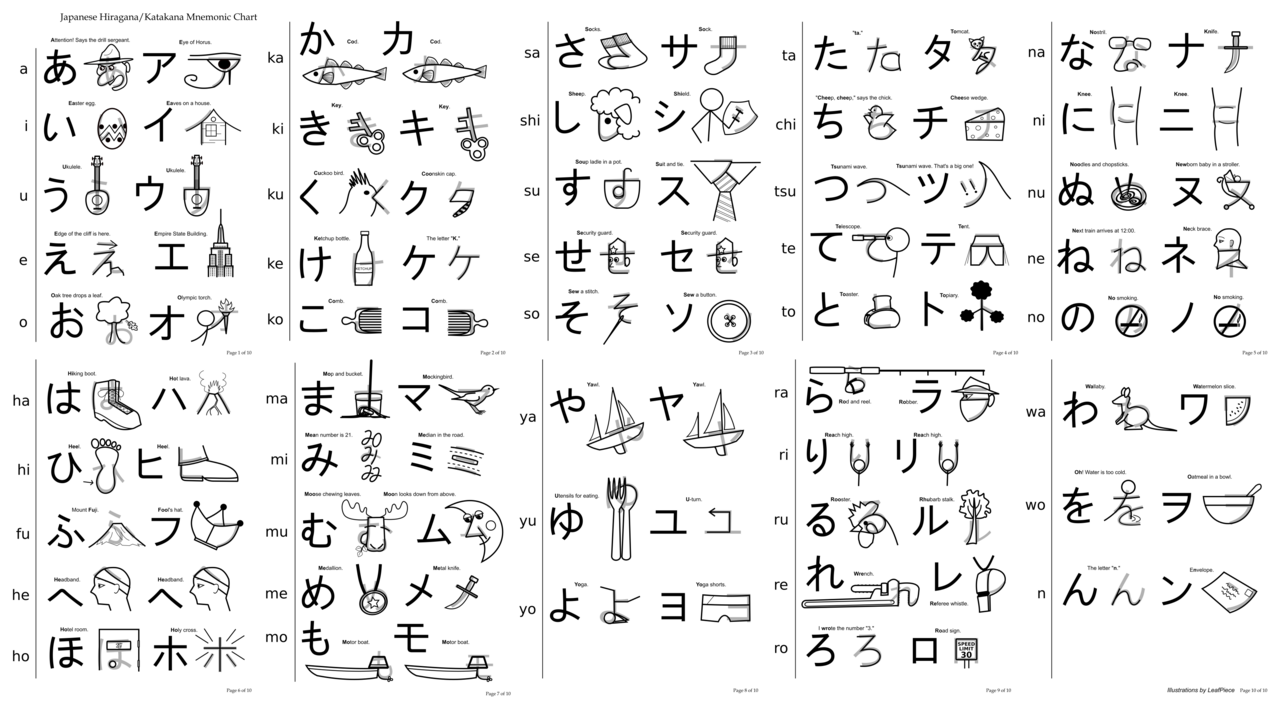
Let’s go through it clearly, because this is exactly the kind of subtle rule that can help your reading, listening, and spelling at the same time. Wild, isn’t it? 👊
What dakuten actually does
Dakuten are the two little marks you see on kana like ka turning into ga, sa turning into za, and ta turning into da. They look small, but the effect is huge, because they change how a syllable is pronounced and often change how a word feels in everyday Japanese.
The reason is simple: Japanese uses kana to show sound very precisely, and dakuten are part of that sound system. If you read hiragana or katakana, you’ll meet them constantly, whether you’re seeing gaikokujin, zatou, or daidokoro in daily life. No wonder, because a single mark can completely change the rhythm of a word.
Simple examples you’ll see all the time
Here are a few common pairs in romaji, so you can hear the pattern more naturally:
- ka / ga
- sa / za
- ta / da
- ha / ba
And yes, the last one is especially useful. Ha can become ba, or even pa with handakuten, which is the small circle-like mark rather than dakuten. Once you start noticing these patterns, kana stops looking random and starts feeling logical. Sounds good, right?
Kanji, kana, and a real meaning shift
Dakuten are mostly a kana feature, but they matter for kanji reading too, because many Japanese words are written with kanji and read through kana sounds. That means the mark can affect how a word is spoken, how it is recognised, and sometimes how it is understood in context.
A great example: kami can mean different things depending on the writing and context, while gami appears in compounds and readings where the voiced sound is needed. The spelling itself may look tiny, but in real Japanese, those sound changes help separate words and keep compounds natural.
Compared with back home, where a small spelling change might feel optional, Japanese treats this as part of the system. If the voiced sound belongs there, leaving the dakuten out can make the word look off, or simply make it harder to read naturally. That’s why learners often feel a little stuck at first, then suddenly everything clicks. But that's not all.
Why this matters for reading and listening
If you’re reading fast, dakuten can be the difference between recognising a familiar word and missing it completely. If you’re listening, the difference between ka and ga, or ha and ba, can help you catch the word before your brain has time to translate it.
Let’s be honest: I don’t think anyone enjoys mixing up similar kana forever. But this is one of those areas where a little focused practice pays off quickly, because the rule is consistent and the pattern repeats everywhere. My tip: read kana pairs aloud, side by side, until your mouth and eyes start expecting the voiced version automatically.
Why Japanese learners should pay close attention
Unlike what we’re used to in some languages, dakuten aren’t just decorative. They’re a built-in signal that changes pronunciation, and sometimes that change is exactly what makes a word sound native instead of textbook-style.
Here’s the practical part. When you learn new vocabulary, don’t memorise the base kana only, memorise the voiced form too. If you see words like sushi ingredients, family terms, or common travel signs, dakuten often carry the clue that makes the word instantly more natural. Let’s look at a few learner-friendly examples:
- kasa / gasa, depending on context and reading
- hana / bana in compounds
- teki / deki in set expressions
These shifts may look subtle, but subtle is exactly the point. Real Japanese is full of these small sound rules, and once you get used to them, your reading gets smoother and your pronunciation sounds more natural. That’s a big win for such a tiny mark!
Frequently Asked Questions
What is dakuten in Japanese?
It is a small mark added to kana to voice the sound, such as changing ka into ga.
Does dakuten affect meaning?
Yes, it can. A sound change can make a word different, and in context it can change how the word is understood.
Should learners study dakuten early?
Absolutely. It helps with reading, listening, and making your Japanese sound more natural.