What many overlook: this isn't just character goods on a shelf. It’s a carefully staged ガチャ (gacha, capsule-toy lottery / random draw) release, built around timing, rarity, and the small pleasure of chasing a set one capsule at a time.
Odekake Kozame gets an online gacha release
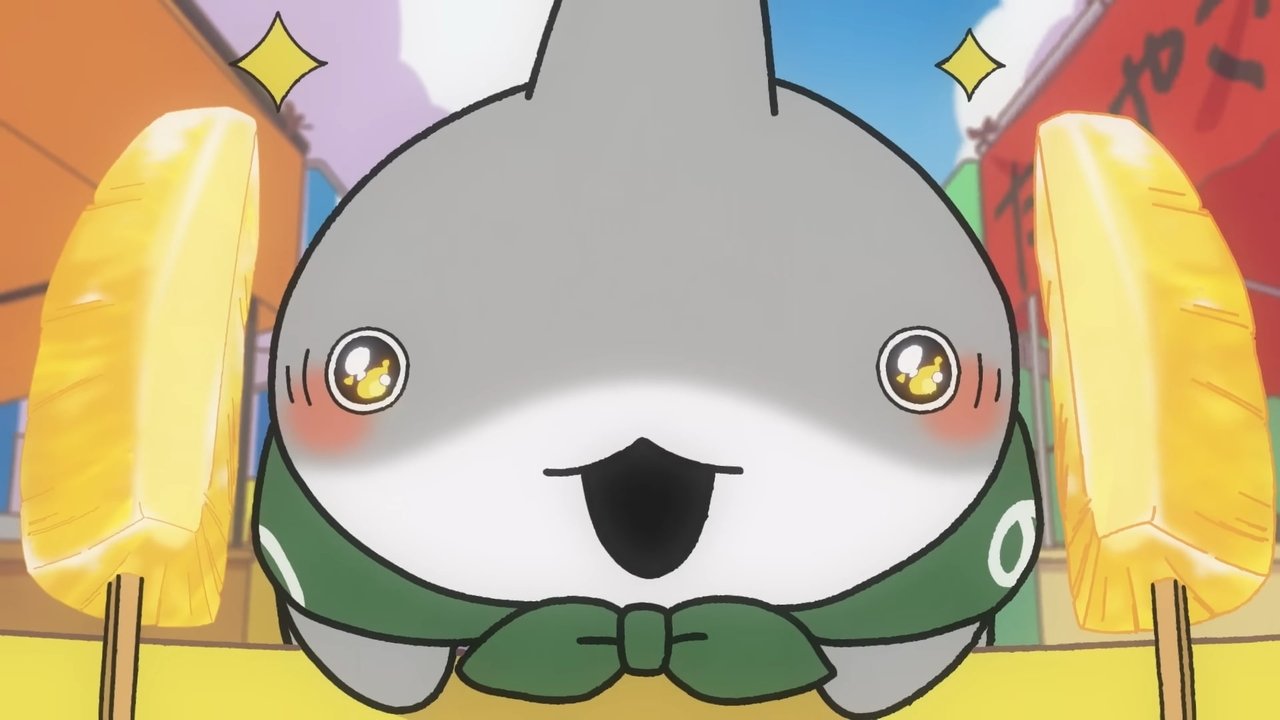
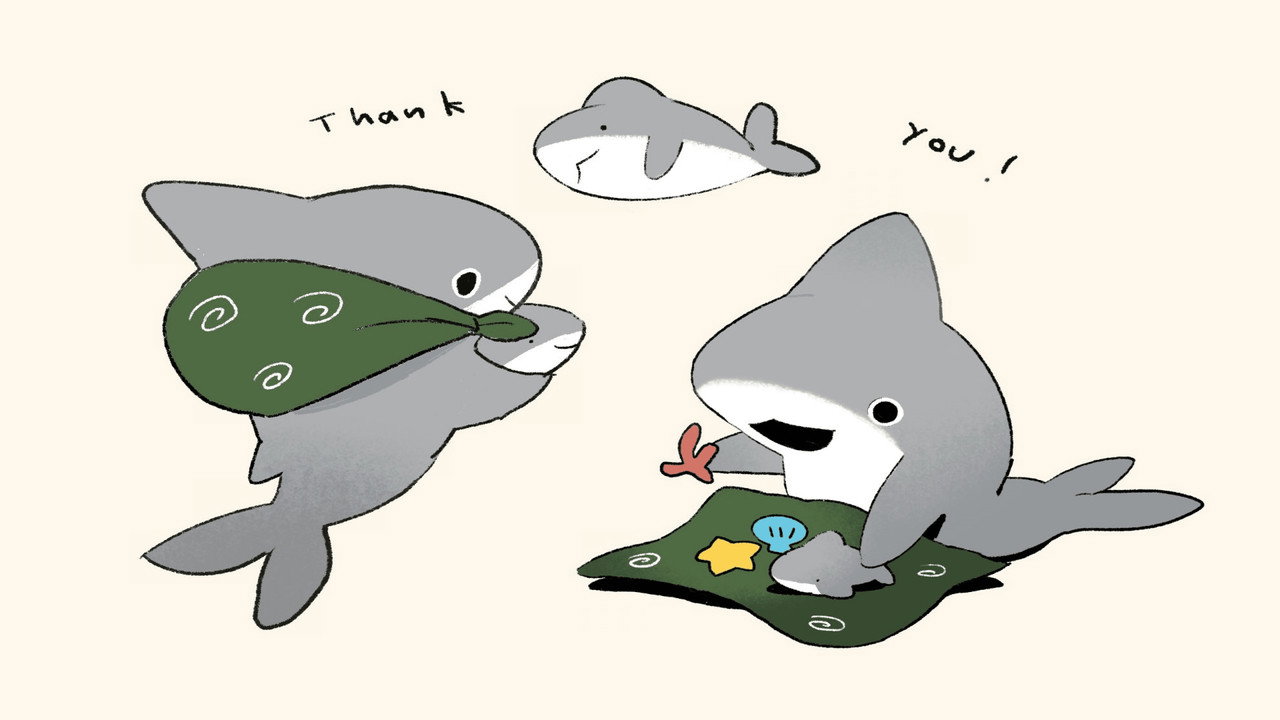
Odekake Kozame online gacha "ピカピカ (pika pika, shiny; sparkling; gleaming) neon" is now available through Tokyo Gacha Park, and that’s the whole point here. The setup is simple on paper, but in practice it hits a very Japanese sweet spot: a popular character, a randomised gacha format, and a retail channel that turns shopping into a little game.
For Japan fans and language learners, this is a neat example of how words travel. Gacha comes from ガシャポン (gashapon, capsule toy vending machine), the capsule-toy vending tradition, and the same idea now powers everything from toy machines to digital prize draws. The product name itself, pika pika, suggests something shiny or sparkling, which fits the neon styling pretty neatly. Sounds obvious, but names like this usually do a lot of work.
The best part: the merchandise is tied to an online gacha launch rather than a plain catalogue drop. That means the appeal isn’t only the design of the items, but the structure of the purchase itself. Randomness, collectability, and a bit of controlled frustration. Worth a look, if what you like is the mechanism as much as the object.
According to the original announcement on PRTimes, Tokyo Gacha Park is handling sales for this release. That detail matters, because it places the campaign inside a known gacha retail context rather than treating it as just another online merch sale. In other words, the channel is part of the product.
Why Odekake Kozame works so well in gacha form
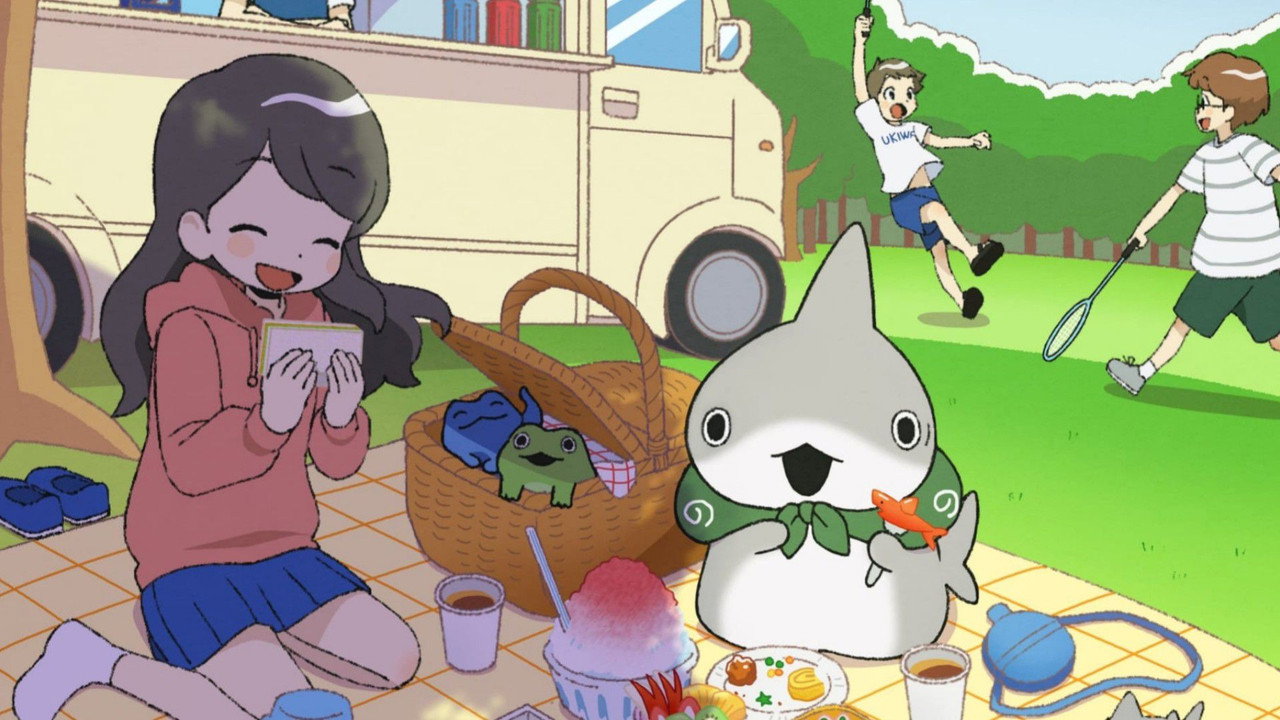
Odekake Kozame is a compact character property, and that makes it unusually well suited to capsule merchandising. The art style is cute, the tone is gentle, and the whole concept leans on recognisable silhouettes and repeatable motifs. In gacha terms, that is a very efficient design language. One glance, and you know what you’re looking at. No explanation required.
The reason is simple: gacha thrives on sets. A character that can be rendered in multiple poses, outfits, or colourways gives the format something to chew on. If the theme here is pika pika neon, then I’d expect the appeal to come from bright colours, glossy finishes, and the sort of visual punch that reads quickly on a phone screen. That’s the retail equivalent of a strong thumbnail.
What I especially like is that this kind of release doesn’t pretend to be more profound than it is. It is merch. It knows it is merch. And when a brand leans into that with a tight concept, the result can feel cleaner than a big, overstuffed product line trying to be everything at once.
Tokyo Gacha Park and the logic of niche merch
Tokyo Gacha Park is a sensible home for this sort of launch, because gacha retail is built around curiosity and repeat visits. A single drop can pull in anime fans, capsule-toy collectors, and people who just like the hunt. Compare that to back home, where many merch campaigns still rely on standard shelf display and hope for the best. Japan often prefers a little ritual with its commerce. There’s a reason the system keeps surviving.
Plot twist: the online gacha format doesn’t remove the physical thrill. It translates it. You still get the same emotional sequence, anticipation, reveal, and then the quick mental arithmetic of whether you want to keep going. The packaging may be digital at the front end, but the collector instinct is the same old beast underneath.
And this is where it gets a little interesting. A title like pika pika neon signals a stronger visual identity than a generic seasonal tie-in, which usually helps a niche release stand out in a crowded merch market. If you’re building a Japanese vocabulary list, pika pika is worth remembering, because it appears in everyday speech too, often to describe something sparkling or clean. Small word, useful life.
What Japan fans and learners should watch for
Here's the deal: releases like this are useful beyond the merchandise itself. They show how Japanese pop culture packaging works in practice, especially around character licensing, limited drops, and the gacha model. You can see the logic very clearly, even if you never buy a single capsule. The brand gets repeat attention. The retailer gets traffic. The fan gets a tiny chase loop. Everyone knows the deal, and everyone keeps playing anyway.
While we're at it: if you are learning Japanese, pay attention to the product language around this kind of announcement. Words like gacha, character goods, and limited show up constantly in merch and hobby coverage. They are practical vocabulary, not textbook ornaments. That is often where the useful Japanese lives, in the plain labels attached to small things people actually buy.
My tip: when you see a campaign like this, read it as both fandom news and retail design. The anime is the hook, yes, but the distribution method tells you just as much. And in Japan, distribution is never just distribution. It’s part of the experience. See what I mean?
Frequently Asked Questions
What is Odekake Kozame?
It is an anime property built around a small shark character, with a cute and compact style that works well for merchandise.
What is an online gacha release?
It is a randomised purchase format inspired by capsule toys, where you buy into a pool of possible items instead of choosing one specific prize.
Why does Tokyo Gacha Park matter here?
It provides a retail context that fits the product format, so the gacha experience feels like part of the merchandise rather than just a sales method.