If you’re learning Japanese, this is also a nice season to pick up practical words like 夏 (natsu, summer), 祭り (matsuri, festival), 川床 (kawadoko, riverside dining platform), and お盆 (obon, Bon festival) while you explore the city’s summer rhythm. Pro tip: think of Kyoto in summer as a city of timing, not just sightseeing.
Summer in Kyoto works best when you copy the locals
Kyoto summer travel is all about adjusting your pace. The city gets hot, humid, and crowded, especially in July and August, so the smartest plan is to move early, rest in the middle of the day, then head out again after sunset. According to the Kyoto Convention and Visitors Bureau's summer tips, that rhythm is exactly how Kyoto locals make the season feel manageable.
Take the phrase ashibe, or rather the habit behind it, for instance: start with a quiet morning temple visit, break for a long lunch, then return for evening strolls. The reason is simple: Kyoto's atmosphere changes a lot between sunrise and nightfall. No exaggeration: the same street can feel calm at 7 am and packed an hour later.
For language learners, this is a great place to connect words to real life. Natsu means summer, obon is the midsummer family holiday period, and matsuri means festival. Sounds weird, but it’s true, learning these terms makes Kyoto feel less like a postcard and more like a living city. Personally...
Beat the heat with shade, water, and good timing
It’s early morning in Kyoto. That’s the best time for outdoor walking, especially around temple districts, gardens, and the old streets of Higashiyama or Gion. If you wait until midday, the heat can feel heavy fast, and sightseeing becomes more about endurance than enjoyment.
My tip: build your day around indoor and shaded stops between late morning and late afternoon. Museums, cafes, department stores, and train-station complexes are useful escape routes when the sun gets too strong. While we’re at it, carry water, a small towel, and a portable fan if you have one, because locals do the same.
Oh, almost forgot: summer weather also affects how you choose accommodation. A well-located hotel near a station or a quieter neighbourhood can save a lot of energy, especially if you’re moving around Kyoto on foot and by bus. Personally...

Where Kyoto feels most rewarding in summer
Here’s the thing: summer isn’t Kyoto’s easiest season, but it does have some of its most memorable experiences. Kawadoko dining platforms along the Kamogawa River are a classic example, and they let you enjoy dinner in a cooler riverside setting while staying close to the centre. That mix of atmosphere and relief is simply brilliant.
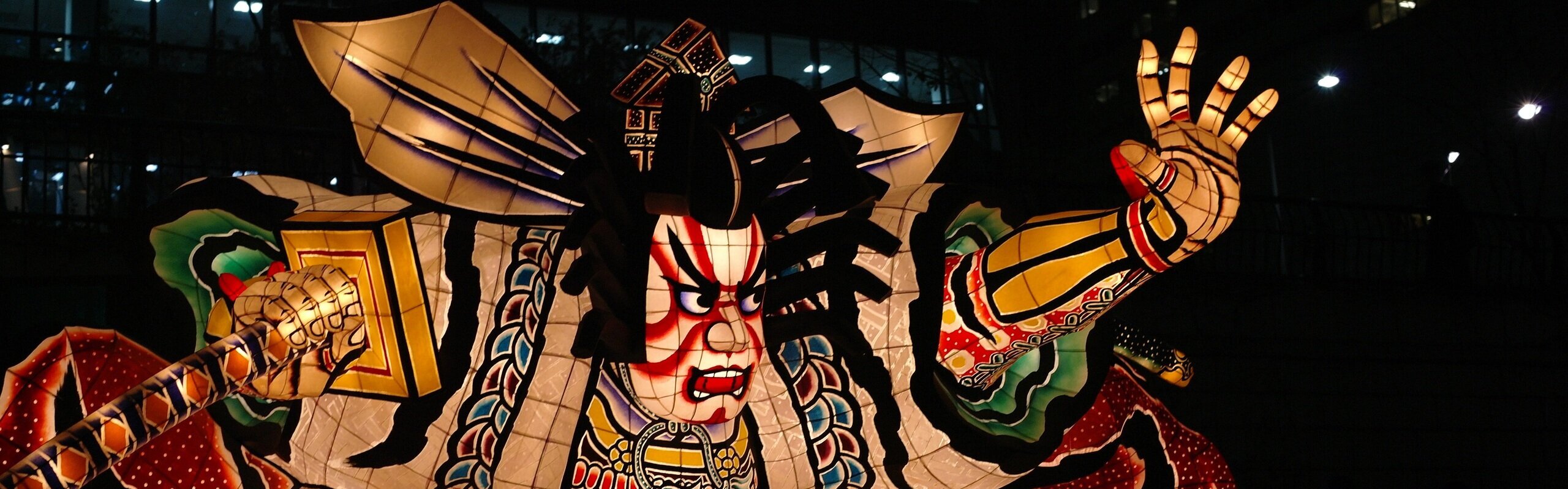
Did you know that Kyoto's festival season also comes alive in summer? Gion Matsuri runs through the whole of July, and it is one of Japan's best-known celebrations. The streets around central Kyoto fill with food stalls, parade pieces, and local energy, so even a short visit can feel special. Compared with back home, summer in Kyoto is less about escaping the season and more about living with it.
For Japan learners, festivals are a useful vocabulary lesson in themselves. You’ll hear words like 屋台 (yatai) for stalls, 御神輿 (omikoshi) for portable shrines, and nagashi for flowing or moving rituals in some festival contexts. My verdict: Kyoto teaches language and culture at the same time, which is exactly why many fans keep coming back. Wait, there’s more.
Why timing matters in late summer and Obon
No joke: the busiest stretch of the season often overlaps with Obon in mid-August. Obon is not an official public holiday, but many companies give workers several days off, and that means trains, hotels, and major sightseeing spots can get crowded very fast. If your schedule is flexible, early July or late August may feel easier than the Obon peak.
That said, crowd levels are only part of the story. Summer in Kyoto also offers fireworks, smaller shrine events, and long evening walks that feel very different from spring 桜 (sakura, cherry blossom) season or autumn 紅葉 (koyo, autumn leaves) season. Compared with the cherry blossom rush, summer can be a little less photogenic in daylight, but it often feels more local after dark. My tip: if you want a calmer trip, aim for mornings, weekday visits, and neighbourhoods just outside the main tourist strip.
What I especially like is how Kyoto's summer rewards people who are willing to slow down. You don’t need to tick off every famous spot to have a good trip. One garden, one riverside meal, one festival night, and one new word in Japanese can already make the season memorable. Personally...
Frequently Asked Questions
Is Kyoto worth visiting in summer?
Yes, if you plan around the heat and crowds. Early mornings, shaded attractions, and evening outings make a big difference.
What should I do first in summer Kyoto?
Start with outdoor sightseeing at dawn, then save riverside dining, shopping streets, or museums for the hotter part of the day.
When is the busiest time?
Mid-August around Obon is often the most crowded period, so book early if you can.
-1280x600.jpg)