Basically, this is the kind of event that makes Odaiba feel like a place where the future arrives with a shore breeze. I’m interested in it not just as a spectacle, but as a careful piece of event design, one that brings together water, light, and familiar characters in a way that’ll make sense to Japan fans and Japanese language learners alike. Names, dates, and place vocabulary matter here, so I’ll stick closely to the facts and the atmosphere.
ODAIBA DRONE SHOW 2026 at Odaiba Seaside Park
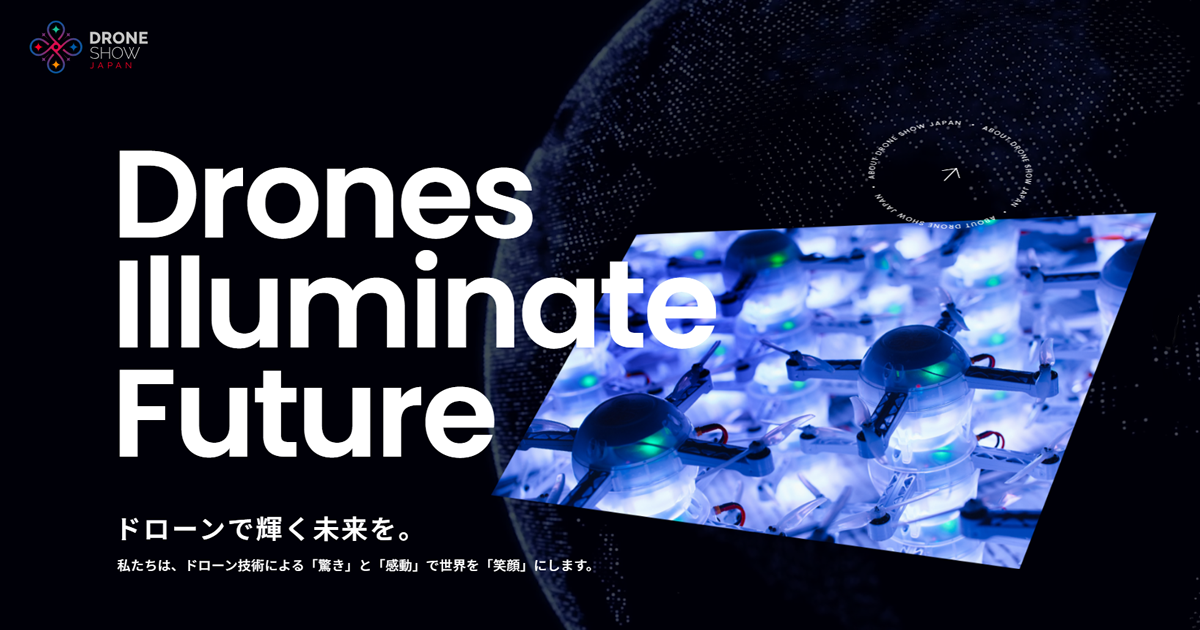
ODAIBA DRONE SHOW 2026 will take place at Odaiba Seaside Park in Tokyo, running from September 4 to 22, 2026, with free viewing announced in related coverage. The core draw is direct and easy to grasp: 1,000 drones in the sky, plus a large water show below. The production is being handled by ULTRA and Drone Show Japan, according to the original release and 4Gamer.
Here’s the deal: this isn’t just a drone display floating over the bay. It’s designed as a seasonal event tied to 月見 (otsukimi), the moon-viewing season, which gives the whole thing a quiet Japanese rhythm. Instead of treating the waterfront as a blank canvas, the show leans into place, timing, and the evening air. That combination matters. Odaiba already has the broad open sightlines, and a show like this depends on space as much as it depends on technology.
My tip: if you’re learning Japanese, this is a good moment to notice how event language works. Words like 会場 (kaijo, venue), 沿線 (ensen, along a railway line), and 期間 (kikan, period) often appear in notices like this, and they tell you where something is held, what it connects to, and how long it lasts. The announcement also uses the familiar event vocabulary of character, anime, and game tie-ins, which is common in Japanese publicity and worth getting comfortable with. See what I mean?
What the show is bringing to the bay
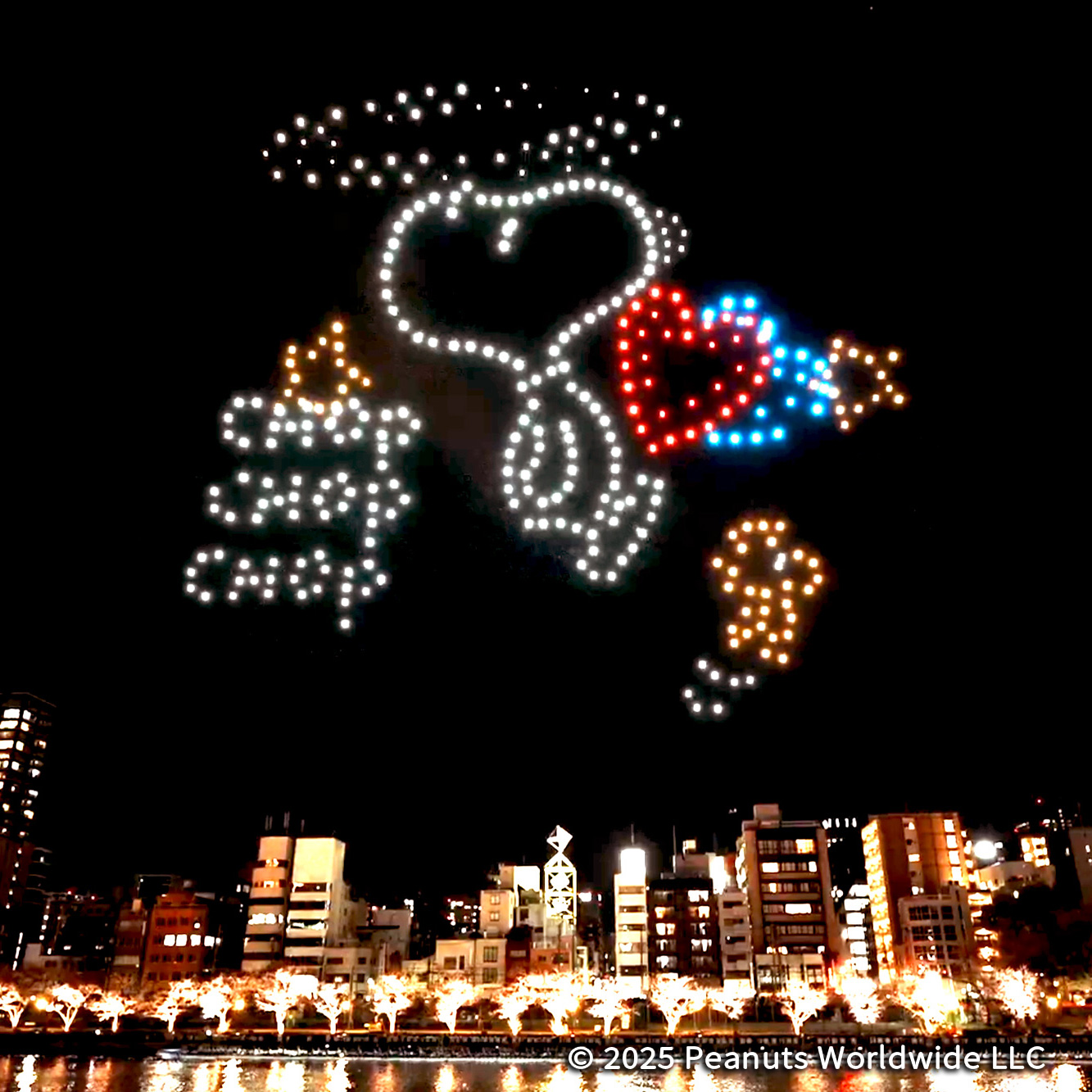
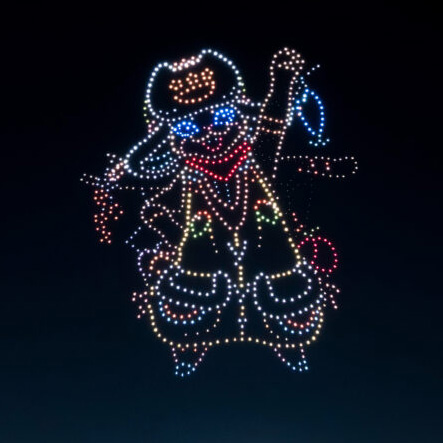
According to the materials from Drone Show Japan, the sky lineup includes popular characters from games, anime, and films. That’s a simple sentence, but the implication is larger. Japan’s event landscape has become very good at combining different audiences in one night, and Odaiba is one of the places where that approach feels natural rather than forced. The setting is open, coastal, and already associated with entertainment, so the show can speak both to casual visitors and to fans who arrive for a specific character or franchise.
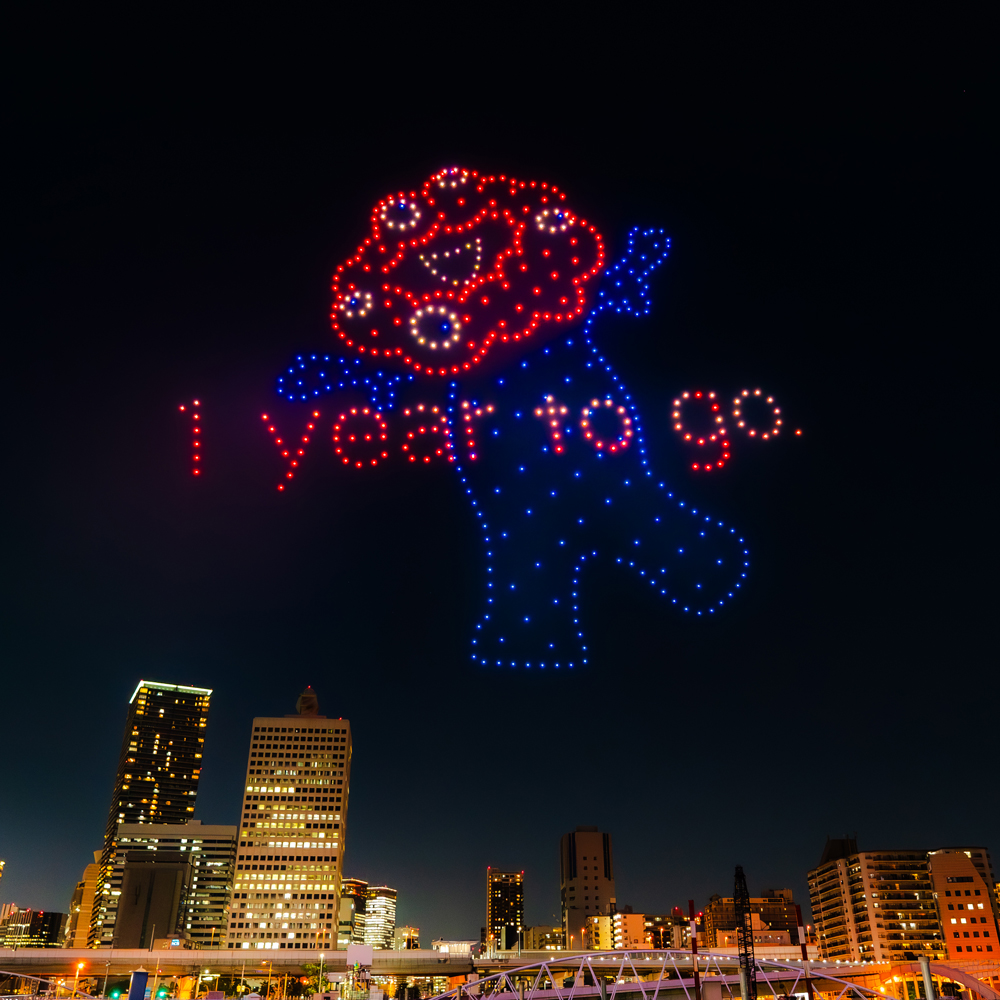
To be fair, drone shows can sometimes feel cold when they’re treated only as engineering demonstrations. This one seems intended to avoid that. The characters are the emotional anchor, the water fountain is the stagecraft, and the drones are the moving calligraphy overhead. The result should be less like a billboard in the sky and more like a short seasonal performance. I think that balance is what makes the announcement striking.
Why the water fountain matters
The pairing with Tokyo Aqua Symphony, described in the release as one of the world’s largest fountains, adds another layer. Water changes the pace of a show. It slows the eye, catches light, and gives the sky something to answer back to. A drone formation can feel precise and mechanical on its own, but with fountain spray, reflected colour, and movement at ground level, the scene gets depth. That brings us to the part I especially like: the event isn’t trying to outshout the bay, it’s working with it.
Classic Japan, isn’t it? A technical event that still pays attention to atmosphere, season, and the way people gather after dusk. I also appreciate that the announcement doesn’t try to sell the experience as rarefied or exclusive. Instead, it leans on access, scale, and timing. The feeling is public, not private. Personally, I find that more compelling than yet another overhyped ticketed spectacle.
Dates, access, and what to watch for
The main dates matter: September 4 to 22, 2026. Coverage from iko-yo news says the show will be held on eight days in total, spread across two blocks of the month, from September 4 to 6 and September 18 to 22. That pattern suggests a format designed to build attention across the season rather than burn once and disappear. It also makes the event easier to fit around weather and crowds, which is sensible for an outdoor waterfront programme.
Imagine a narrow alley in Tokyo. Now replace it with the open sweep of Odaiba Seaside Park. The contrast helps explain why events like this keep landing there. Odaiba has room to breathe, and room is part of the appeal when drones need visibility and fountains need distance. The bay edge, the evening light, the transport links, all of it supports a show that depends on sightlines and timing.
Oh, almost forgot: if you’re reading notices like this in Japanese, the useful terms are often the plain ones. kisen for schedule, kaijo for venue, and kikan for event period show up constantly. They’re small words, but they carry the structure of the whole announcement. Learning them makes event pages less opaque, and that’s a practical kind of progress. From my experience...
What I especially like is the seasonal framing. Otsukimi carries a gentler mood than a summer festival, and that changes how people might read the night sky. The event seems to want a little stillness inside the scale. If it works as planned, it should feel less like noise and more like a layered evening by the water. Worth keeping an eye on the venue details if you plan to go, because waterfront events can change quickly with weather and crowd management.
Frequently Asked Questions
When is ODAIBA DRONE SHOW 2026?
It runs from September 4 to 22, 2026, with coverage indicating eight event days in total.
Where is the event taking place?
The show is scheduled for Odaiba Seaside Park in Tokyo.
What is the main attraction?
The event combines 1,000 drones with a large fountain show and character-themed visuals.