
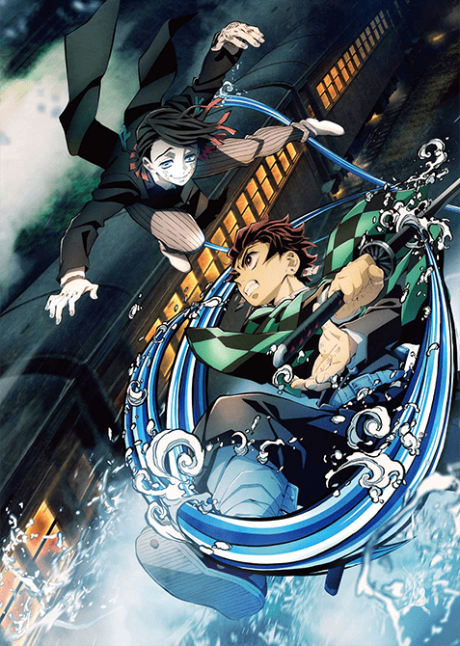
Okay, so if you like anime tie-ins that actually connect to real services you could sign up for, this one’s worth a look. And if you’re learning Japanese, it’s also a neat reminder that corporate Japan loves a good キャンペーン (kyanpeen, campaign), especially when a massive IP like Demon Slayer is involved.



NURO x Demon Slayer: a proper service crossover, not just a poster
Okay, so NURO and So-net are rolling out a Demon Slayer collaboration across three of their products: NURO 光 (hikari, light), So-net Hikari, and NURO Mobile. That already tells you this isn’t just a random anime visual for social media clout, it’s a real marketing push tied to actual internet and mobile plans.
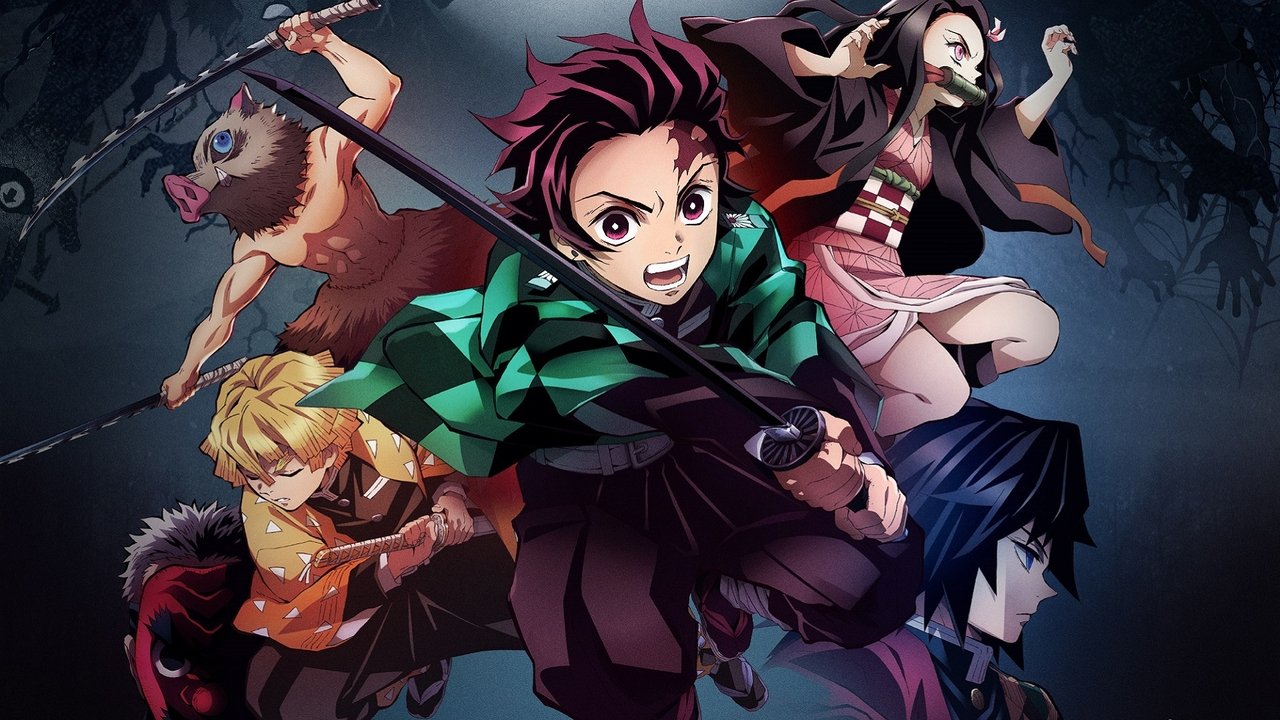
The campaign comes from Sony Network Communications, the company behind the NURO and So-net brands, and the whole thing is built around one of the biggest anime franchises of the last few years. Demon Slayer, or Kimetsu no Yaiba, is the kind of IP that can still move the needle on everyday services, which is honestly very Japan, in the best possible way. Anime, broadband, mobile data, all in one neat little package. Sounds absurd. Also, kind of perfect.
What I especially like here is that the collaboration isn’t pretending to be art-house genius or anything. It knows exactly what it is. You’ve got a major anime, practical products, and fans who may already be looking for a new line or a faster connection. That’s where Japan’s collaboration culture gets very efficient, very cute, and a little ruthless. The whole thing makes sense. See what I mean?
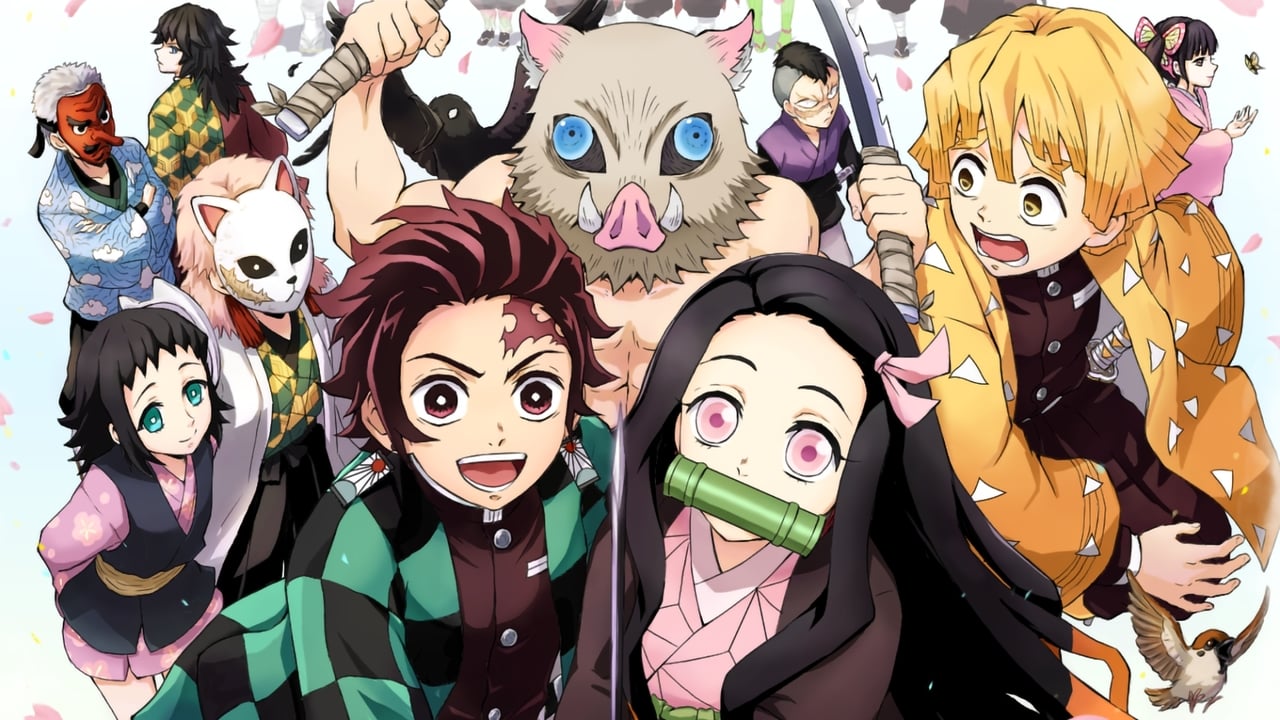
NURO Hikari and So-net Hikari get the anime treatment
Before I forget: the most important names here are NURO Hikari and So-net Hikari. If you’re not deep into Japanese telecom branding, these are fibre internet services, and they sit in that very Japanese space where a provider’s name can be everywhere without most people outside Japan ever hearing about it.
For learners, this is a nice little vocab moment too. You’ll see words like kyanpeen for campaign, hikari for fibre, and the general marketing logic of コラボ (collabo, collaboration), which gets used all over Japanese fandom culture. Once you start spotting it, you can’t unsee it. One anime, one brand, one limited-time visual, and suddenly everyone’s speaking fluent promo mode.
And here’s where it gets interesting. These kinds of tie-ins often work because they’re not trying to be clever in a sneaky way. They’re loud, direct, and very Japan in how they embrace a theme. If you’re into Demon Slayer, seeing Tanjiro and the crew attached to services you actually use is weirdly cosy. If you’re not, it’s still a clean example of how Japanese companies use anime IP as a trust signal. Honestly? Smart. A bit shameless. But smart.
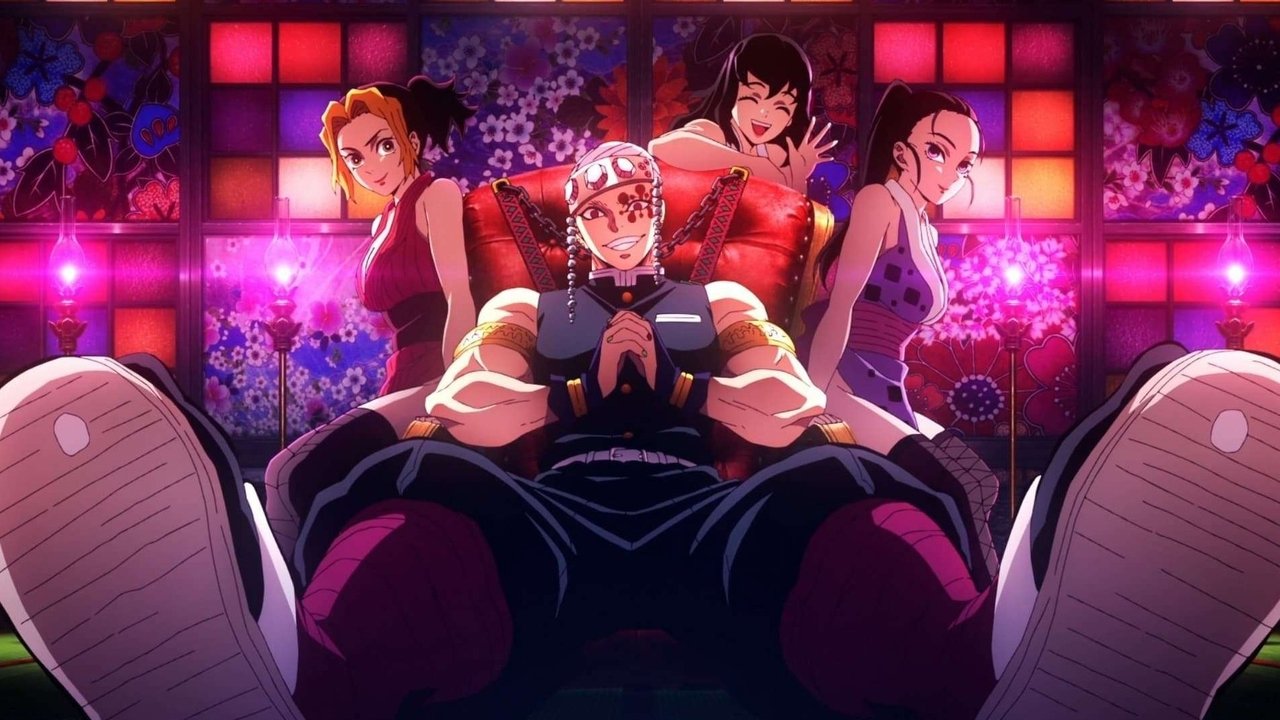
Why Demon Slayer still gets these collabs
Fun fact: Demon Slayer has stayed one of the safest bets in Japanese pop culture since the anime exploded in 2019, and that status matters. The franchise is no longer just a hit series, it’s a brand language all its own, with instantly recognisable characters, motifs, and a visual identity strong enough to carry everything from drinks to apparel to internet plans.
That kind of staying power is exactly why collabs like this keep happening. Brands want recognition, fans want something collectable or at least fun to look at, and anime companies want to keep the property visible between major releases. Everybody gets something, which is the whole game.
Basically: if you’re studying Japanese, pay attention to how often these campaigns use the same core words and structures. Kyanpeen, ライト (raito, light), おすすめ (o-susume, recommendation; recommended), 期間限定 (kikan gentei, limited-time), and all the usual promo machinery show up again and again. It isn’t glamorous, but it’s real language, and real Japan, not the sanitised textbook version. That matters more than people admit. Sounds good, right?
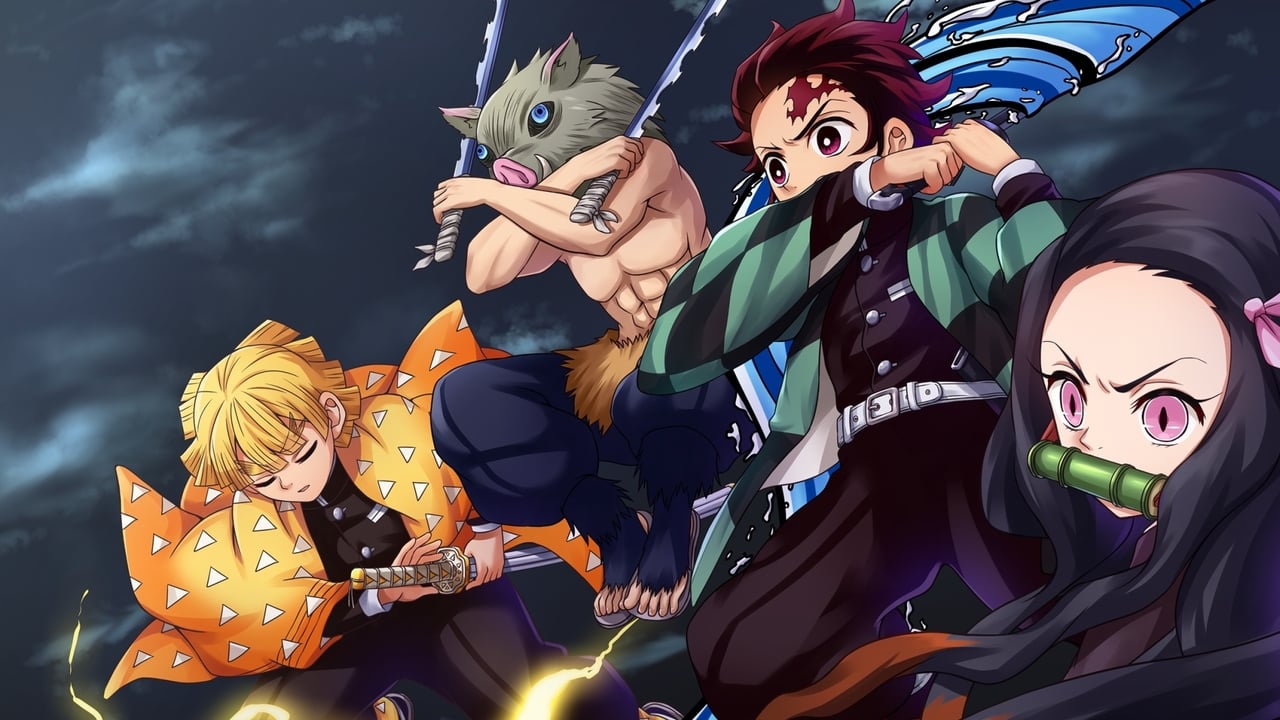
What this collab says about Japan's promo culture
Did you know that Japanese collabs often work best when the product category and the IP feel completely disconnected at first glance? That weird friction is half the charm. Broadband and mobile plans are boring on their own, sure, but throw in Demon Slayer and suddenly you’ve got a campaign people will actually talk about, share, and maybe even remember when it’s time to switch providers.
My tip: if you’re learning Japanese through news like this, focus on the product names and the campaign vocabulary, not just the character images. That’s where the practical language lives. It also helps you understand how Japan's advertising ecosystem really works, which is half fandom, half business, and occasionally pure chaos. A banger formula, honestly.
And the best part: this is exactly the kind of news that shows why Japan fans keep coming back to collabs. They’re rarely subtle, often oddly specific, and sometimes a little ridiculous, but they reveal how deeply anime is woven into everyday consumer life. I think I speak for a lot of us when I say, yeah, give me the dumb little crossover, I’ll absolutely click it. Particularly when it’s Demon Slayer.
In pictures

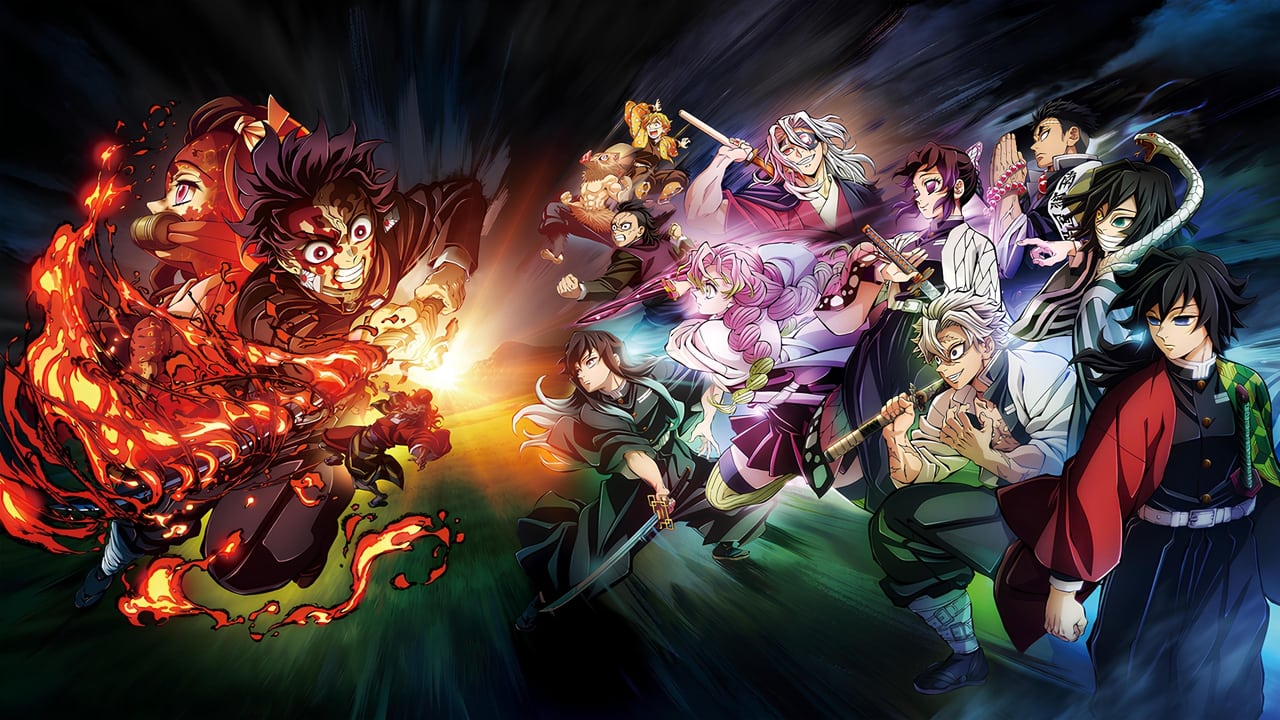
Frequently Asked Questions
What is the NURO and So-net Demon Slayer collaboration?
It is a promotional campaign linking Demon Slayer with NURO Hikari, So-net Hikari, and NURO Mobile.
Which products are included in the campaign?
The collab covers NURO Hikari, So-net Hikari, and NURO Mobile.
Why do Japanese companies use anime collaborations so often?
Because anime IP gives brands instant recognition, emotional appeal, and a ready-made fan audience.


