
That matters, because anniversary projects in anime are often half nostalgia, half storefront. Here, the production seems to understand what fans actually want to look at: key visuals, commemorative goods, and a format that lets you move through the content instead of just staring at a poster.


My Hero Academia turns 10, and the celebration is digital
My Hero Academia is marking its 10th anniversary with a virtual exhibition, and that immediately tells you this is more than a polite bit of brand maintenance. The franchise, known in Japanese as Boku no Hero Academia, has been one of the defining 少年 (shonen, boy; boys' genre) titles of the 2010s and 2020s, so a digital exhibition is a logical move. The series began serialisation in Weekly Shonen Jump in 2014, and ten years later it’s still pulling enough attention to justify an experience built around interaction rather than static display.
Here's the thing: anniversary events in anime usually split into two camps. First, the sincere retrospective with archive material. Then the merch machine in party clothes. This project appears to be trying to do both, and that’s the only sensible way to handle a title with this much reach. If you’re a Japanese learner, this is also a neat chance to notice how anniversary language works in practice: 10周年 (10-shunen, 10th anniversary) means 10th anniversary, and tennensei or 記念 (kinen, commemorative; memorial) framing like this is everywhere in Japanese promotional copy. Classic Japan, isn't it?
But let's stick with the actual event for now. The core appeal is the experience itself, described as a virtual exhibition, which suggests guided viewing, interactive navigation, and presentation designed for online access rather than a simple web page. That format matters because My Hero Academia is a series built on visual escalation, clean silhouette design, and theatrical page composition. A flat image dump would waste that. A virtual setup at least gives the production a chance to show what makes it tick, scene by scene, panel by panel.

Basically: the anniversary isn’t being treated like a footnote. It’s being turned into a product with structure.
Exclusive key visual and merchandise are the real draw
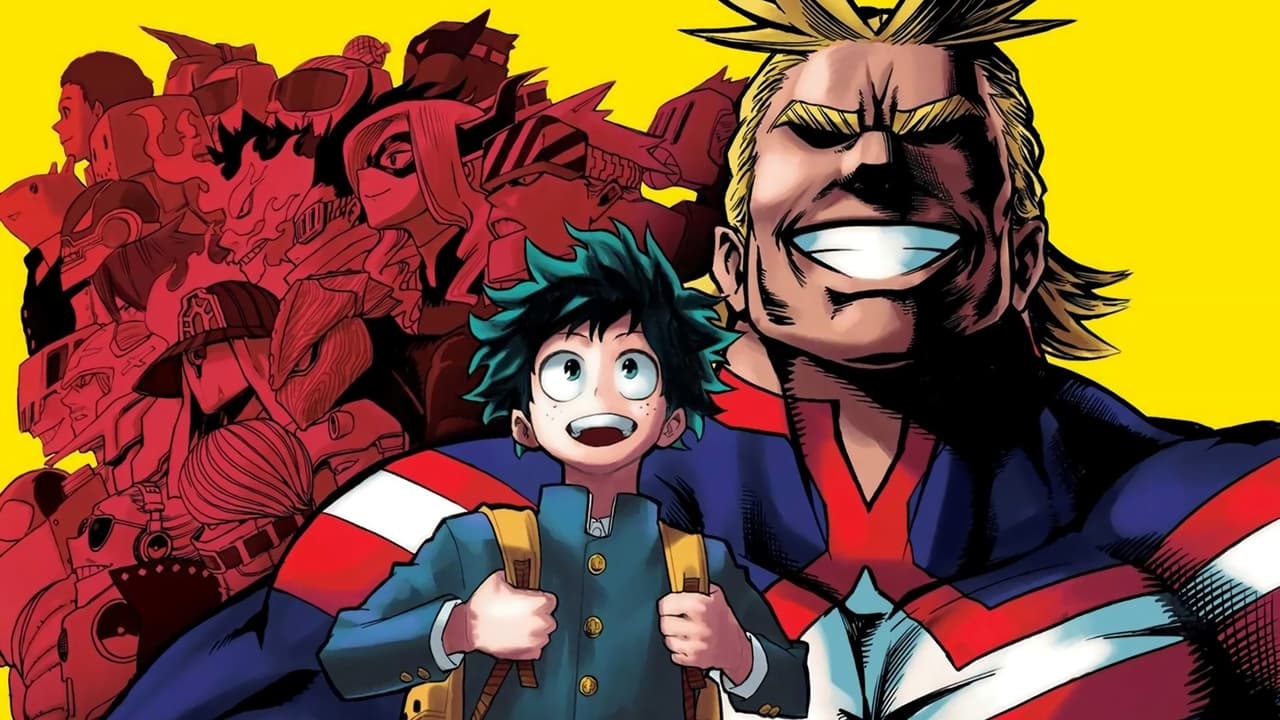
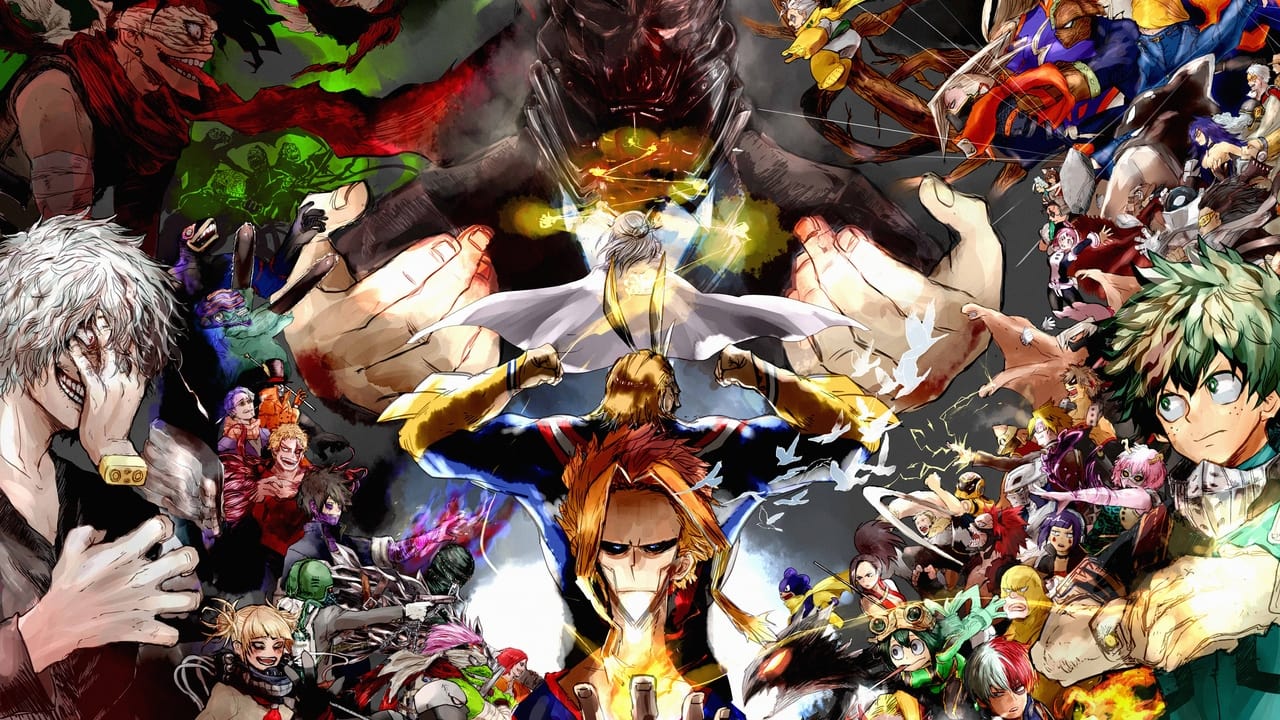
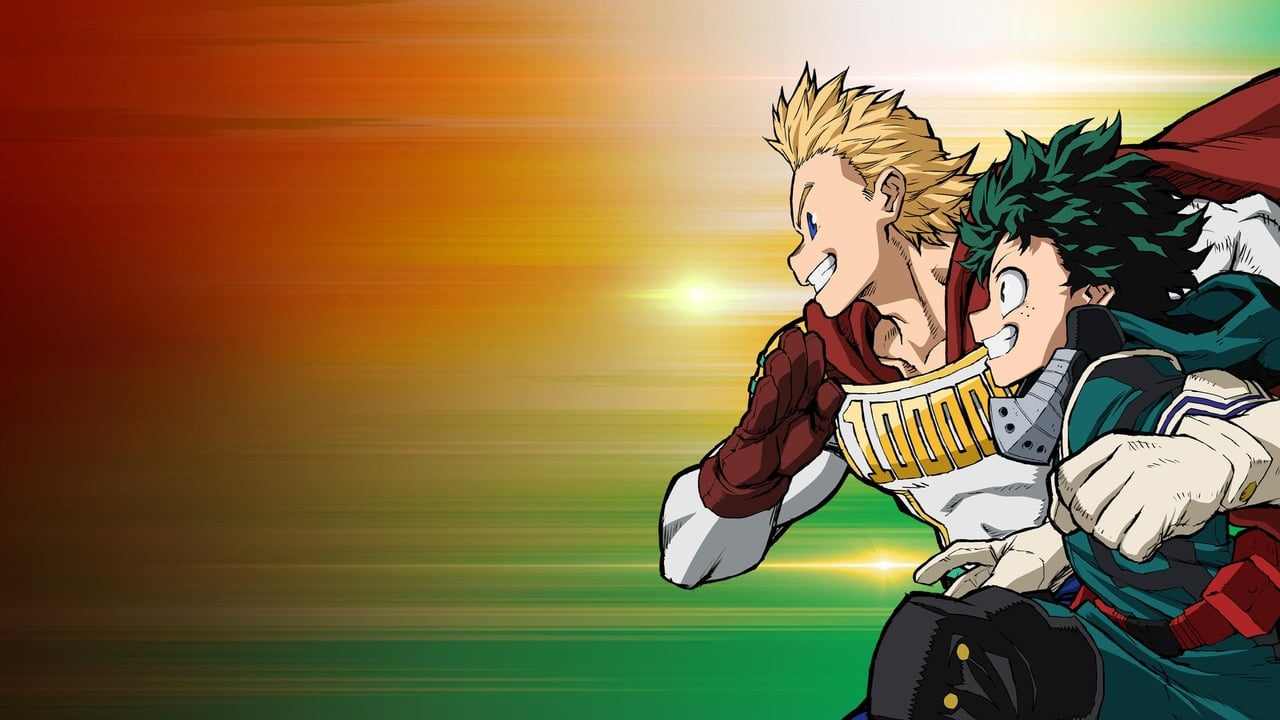
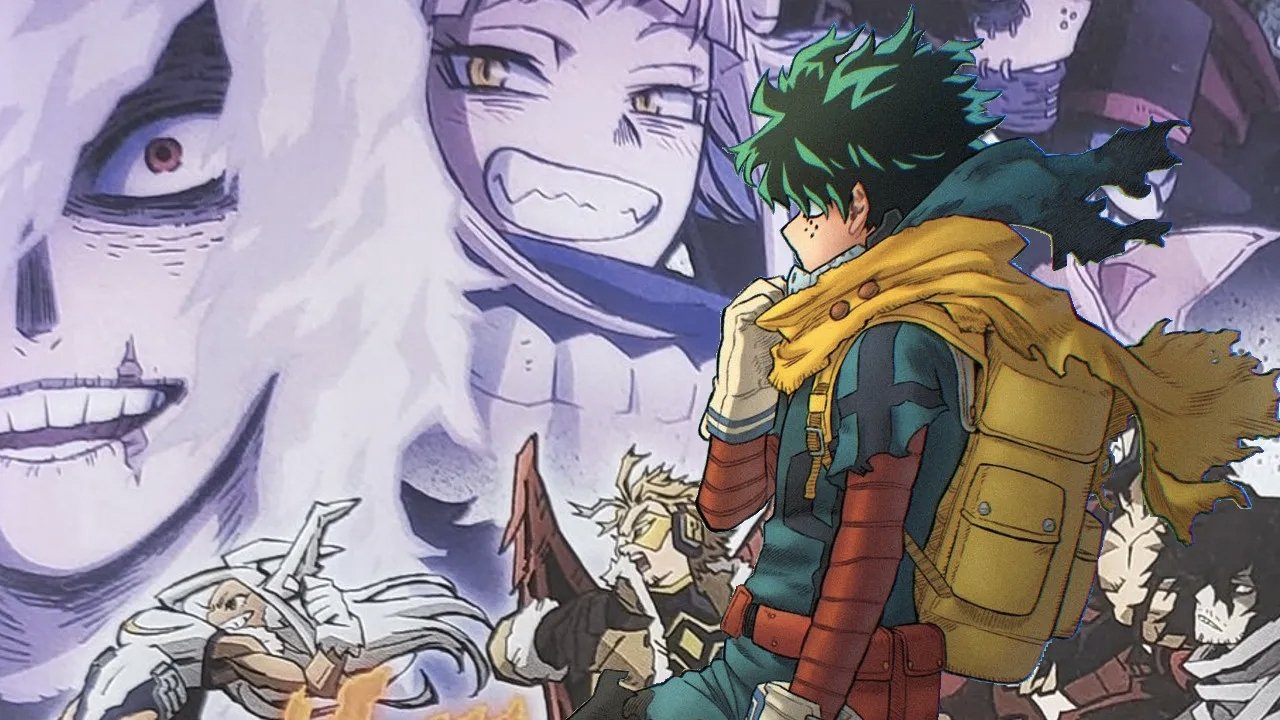
The headline update here is the new visual, because these anniversary projects live or die on whether the artwork feels like a genuine addition rather than recycled promotion. The source material points to an exclusive visual update, which is exactly what you want from a milestone release. If you’re going to ask fans to pay attention, show them something they can’t already screenshot from a streaming banner or a manga volume cover.
That brings us to the merchandise. My tip: when a franchise announces anniversary goods, look at what they choose to print first, because that tells you how they want the event remembered. Is it character pairings? Is it ensemble art? Is it a logo set with a clean commemorative style? Those choices reveal the commercial strategy in miniature. For a title like My Hero Academia, merch isn’t an afterthought, it’s part of the event architecture. The point isn’t just to sell objects, it’s to extend the feeling of the franchise into something collectible, and yes, that’s exactly how modern anime anniversaries work.
By the way: if you’re learning Japanese, this is a good time to pick up the vocabulary around goods culture. グッズ (Guzzu, merch; goods) is the borrowed term for merch, and you’ll see it constantly in anime event listings. The same goes for kinen items, meaning commemorative products. Once you start spotting that language, Japanese event announcements become much easier to read, because the structure is usually more predictable than the drama suggests. The drama is for the artwork. The grammar is just doing its job.
What I especially like is that the announcement leans into a concrete anniversary package instead of vague hype. No empty promises. No grandiose language trying to turn a webshop into destiny. Just a clear celebration with a visual identity and goods attached to it. My verdict: that’s a healthier way to handle a milestone than pretending every announcement needs to be a moon landing.
Why this anniversary format makes sense for anime fans and learners
Let me show you why this matters beyond the obvious fandom angle. Virtual exhibitions solve a very practical problem: access. A physical event in Tokyo can be great, but not everyone can get there, and not every fan wants travel logistics turned into a second job. A virtual version gives international readers a better shot at the content, and that includes Japanese learners who want to study promotional language, see how official event copy is structured, and compare the English and Japanese presentation styles when they’re available.
There’s also a useful cultural layer here. Japanese entertainment anniversaries tend to be very deliberate. They rarely rely on one thing alone. You get the visual, the goods, the limited-time framing, and the sense that the event is meant to be visited, not merely read about. That layered approach is part of why these campaigns work. They create a small ritual around the franchise. You don’t just consume the news, you participate in the commemoration. From my perspective, that’s the real craft behind a good anniversary campaign, not the loudness of the announcement but the precision of the package.
Pro tip: if you’re studying Japanese and following franchise news, look for repeated terms like tennensei, kinen, 企画 (kikaku, project; plan) (project), and 展示 (tenji, exhibition; display) (exhibition). They show up everywhere in this kind of coverage. Once you know them, a press release stops feeling like noise and starts reading like a map. Simple, useful, and a little addictive if you’re the sort of person who enjoys making sense of systems. Personally, I think that’s half the fun of following Japanese pop culture in the first place.
In pictures
Frequently Asked Questions
What is the My Hero Academia 10th anniversary virtual exhibition?
It is a commemorative digital exhibition created for the franchise’s 10th anniversary, featuring an interactive presentation and updated visual material.
Will there be new merchandise?
Yes. The announcement includes merchandise tied to the anniversary project, which is usually a major part of these events.
Is this useful for Japanese learners?
Yes. Anniversary announcements are full of practical vocabulary for events, goods, and commemorative projects, so they are good reading practice.

