

For Japanese learners, collab cafes like this are also great vocabulary practice, from menu names to event notices. My tip: keep an eye on the location list, because the three-city setup makes this feel bigger than a standard pop-up. Wild, isn't it?



Guess what? Sakamoto Days is heading into another stylish collaboration, this time through DJ GROOVE CAFE in Tokyo, Osaka, and Nagoya. For fans, that means one thing: a limited-time cafe event that turns a hit anime and manga into something you can actually visit, photograph, and talk about with other オタク (otaku, anime/manga enthusiast).
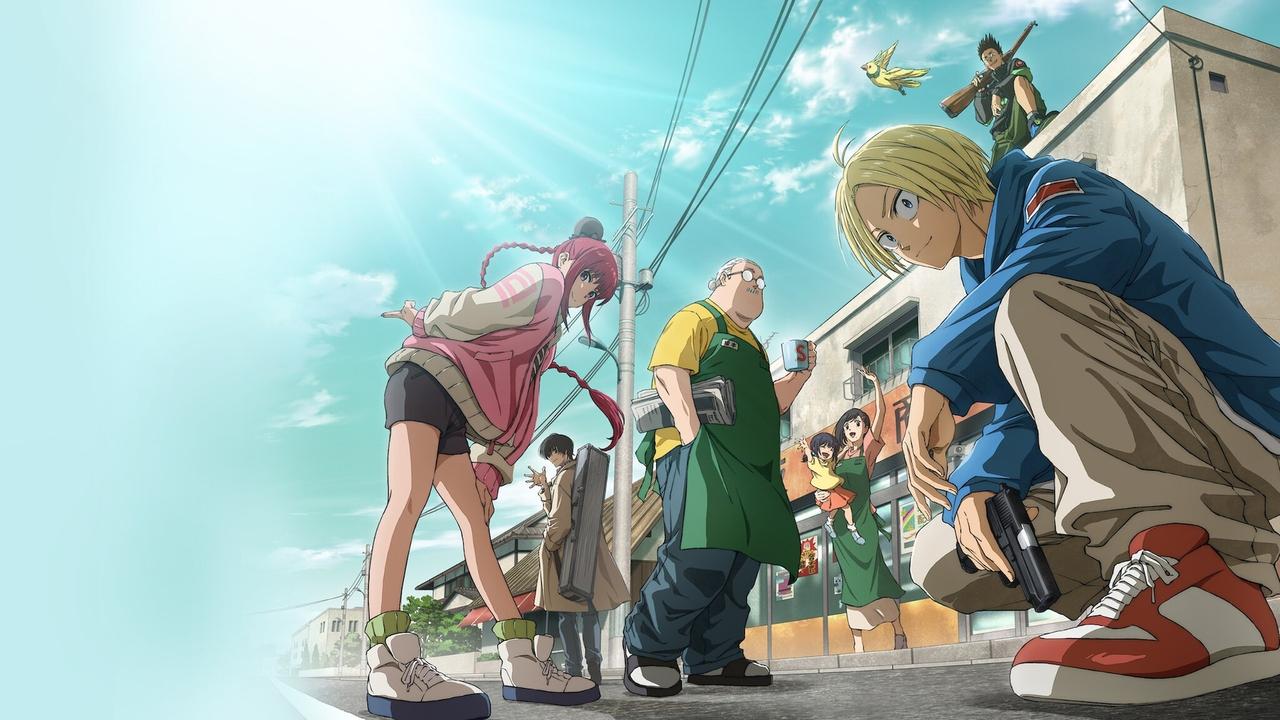
What makes this collab stand out is the city spread. Instead of focusing on one spot in Japan, the event is set across three major hubs, which makes it much easier for fans to plan around their trip, commute, or weekend outing. Trust me on this one: when a Japan pop culture event lands in Tokyo, Osaka, and Nagoya at once, it usually means the organisers expect serious interest. Not bad, right?
Sakamoto Days x DJ GROOVE CAFE: the core idea
Sakamoto Days, based on Yuto Suzuki's manga, has become a breakout title thanks to its odd-but-catchy balance of comedy and high-speed action. That energy fits collab cafe culture perfectly. These events usually blend themed food, character visuals, exclusive goods, and a room design that pushes the anime atmosphere all the way to the counter.

While we're at it: if you're learning Japanese, collab cafes are packed with useful words like 企画 (kikaku, plan; project) for event, 対象 (taishou, target; intended audience) for target, and 期間限定 (kikan gentei, limited-time only) for limited period. Those terms show up constantly in official notices, so reading announcements like this one is a practical way to sharpen your skills without making it feel like homework. Simply brilliant.
Why these collabs matter for Japan fans
Anime cafe events aren't just decoration, they are part of how modern Japanese pop culture lives offline. Fans go for the menu, sure, but they also go for the small details, like character-inspired drinks, acrylic stands, and venue-only items that never make it to regular stores. That makes the whole thing feel collectible, and a bit urgent too.
Pro tip: if you're planning to visit, check location-specific rules early. Cafe collabs in Japan often have different reservation systems, store layouts, and merchandise limits depending on the city. That can affect everything from your arrival time to whether your favourite item is still in stock. Convinced yet?

Tokyo, Osaka, Nagoya: the three-city spread
Here's the kicker: the biggest practical appeal here is the location list itself. Tokyo remains the obvious centre for anime events, but Osaka and Nagoya are important too, especially for travellers who aren't staying in the capital. A three-city rollout gives more fans a real chance to take part, and that matters a lot in a country where event traffic can get heavy fast.
Tokyo is the natural draw for international visitors, Osaka is a strong stop for western Japan fans, and Nagoya sits neatly in between, which makes it a smart addition for people moving along the Tokaido corridor. If you're building an anime itinerary, this kind of spread can slot neatly into a wider trip that also includes shopping districts, station malls, and other pop culture stops. My tip: if you're already travelling between these cities, a collab cafe like this can be the kind of detour that turns a normal day into a memorable one. But that's not all.
Before I forget: these events often work best when you pair them with a little local context. Tokyo might give you the biggest event buzz, Osaka often feels more playful and social, and Nagoya can be a good middle ground with slightly less chaos. For fans, that's not a small detail, it's the difference between feeling rushed and actually enjoying the experience. Wild, isn't it?

What Japanese learners should watch for
Unlike what we're used to in many Western fan events, Japanese collab cafe announcements tend to be very precise. They usually tell you the venue, the schedule, the reservation method, and any purchase restrictions in a very direct style. That makes them excellent reading practice if you want to get comfortable with real Japanese event language.
Speaking of which... pay attention to recurring words such as menu, 期間 (kikan, period; term), 予約 (yoyaku, reservation; booking), and 加工 (kakou, processing; editing) if they appear in the official material. Even when a notice is short, these terms repeat across almost every anime cafe campaign in Japan. Reading them in context helps you move from textbook Japanese to real-world Japanese much faster.
I especially like collabs like this because they connect language learning with pop culture in a way that doesn't feel forced. You can enjoy the franchise first, then pick up vocabulary almost by accident. That's the kind of study routine that actually sticks, personally...
In pictures


Frequently Asked Questions
What is the Sakamoto Days DJ GROOVE CAFE?
It is a themed cafe collaboration based on Sakamoto Days, with event content planned for Tokyo, Osaka, and Nagoya.
Why are anime collab cafes popular in Japan?
They let fans enjoy themed food, exclusive goods, and special decor tied to a favourite series, all in a limited-time setting.
Is this useful for Japanese learners?
Yes. Official event notices use practical vocabulary about dates, locations, reservations, and limited-time offers.

