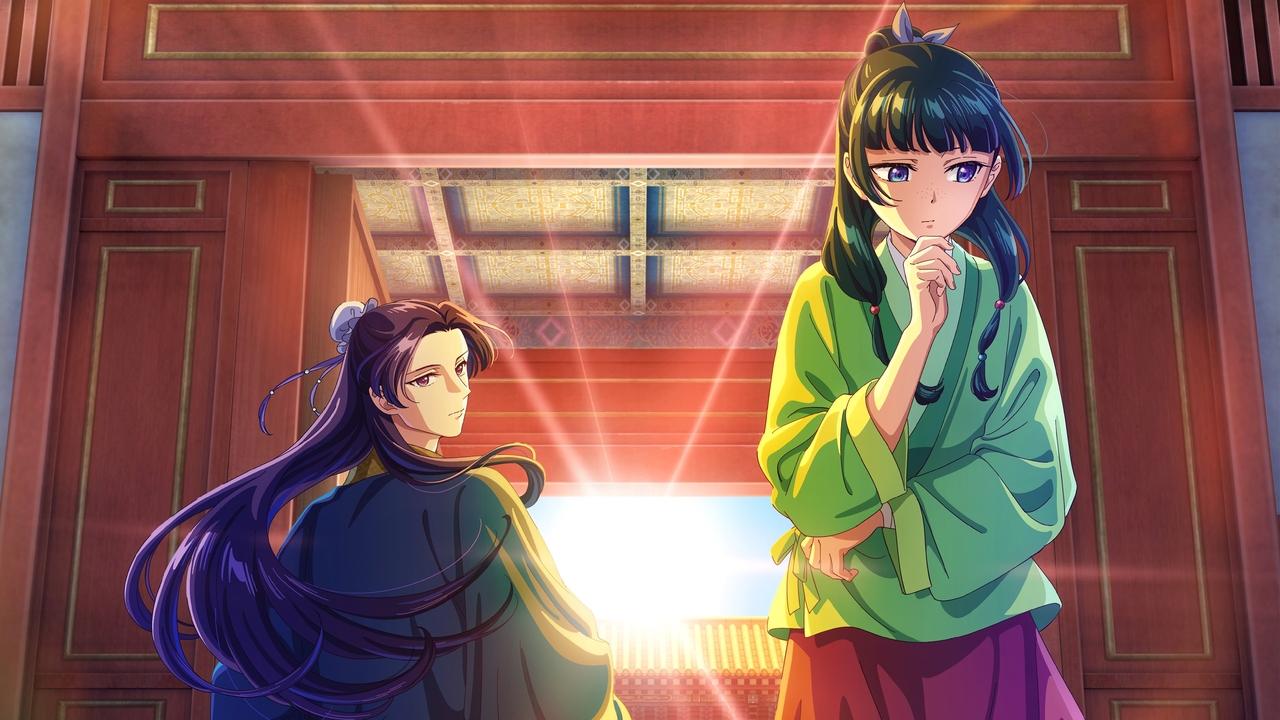
For anyone learning Japanese, this is a neat case study in how a light novel can grow into a full media franchise. It also shows how fast a hit title can move from page to screen, then into more ambitious projects.


Fresh off a new franchise update, The Apothecary Diaries is looking less like a breakout hit and more like a long-running pillar of modern Japanese pop culture. The biggest headline is the number: 57 million copies in worldwide circulation. That’s not just a healthy sales figure, it puts the series in the heavyweight category, especially for a property that started as a web novel before becoming a light novel, manga, and hit anime.
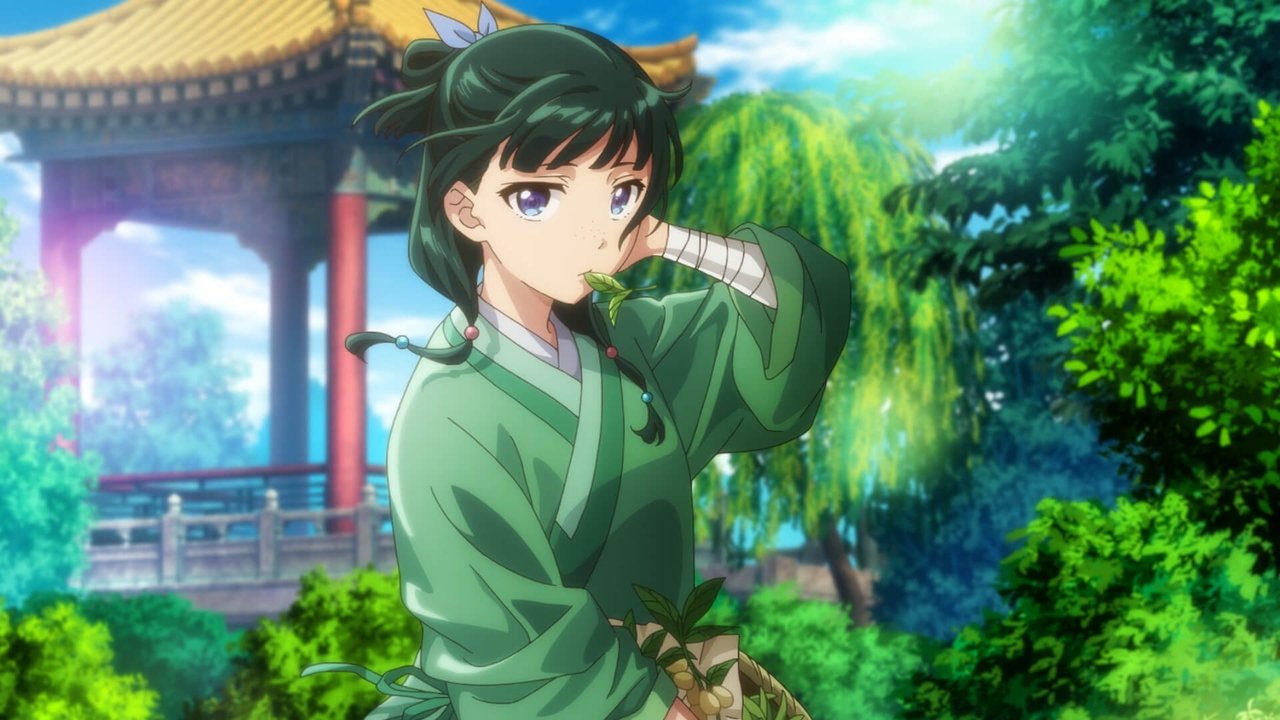
And there’s more on the way. The anime is getting a third TV season, while a completely new film story written by Hinata Natsu is also in the works. For fans, that means the world of Maomao isn’t slowing down any time soon. For learners, it’s also a nice reminder that major Japanese franchises often expand in layers, first through print, then anime, then side projects, films, and spin-offs. Not bad, right?
57 million copies is a serious milestone
What many overlook: circulation isn’t quite the same as direct sales, but it still tells you a lot about demand and reach. In this case, the franchise has now topped 57 million copies worldwide, according to the update tied to the project announcement. That figure includes the series in its various formats and translations, which is a big deal for an adaptation rooted in Japanese historical fiction and court intrigue.
For example, the title itself, Kusuriya no Hitorigoto, literally points to Maomao’s background as an apothecary and to the reflective, observant tone of the story. If you’re studying Japanese, this is a good little vocabulary moment. Kusuriya means pharmacist or apothecary, and hitorigoto means a muttered remark or soliloquy. The title already tells you the series is about a sharp mind quietly talking to itself, and that fits Maomao perfectly. Pretty brilliant, really.
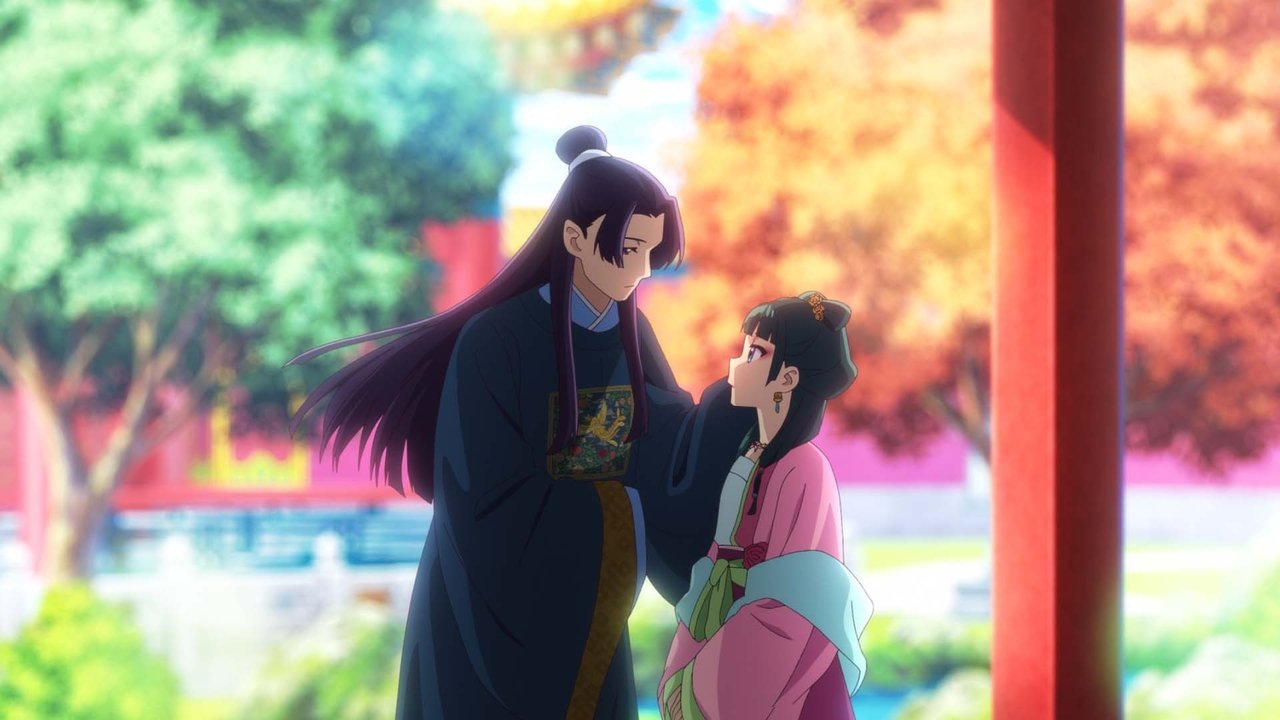
To be fair, a big circulation number alone doesn’t explain why this series connected so strongly. The hook is the combination of palace mystery, medical know-how, and a heroine who’s clever without turning into a generic power fantasy lead. Add the rich Tang-inspired setting, poison puzzles, etiquette, and political tension, and you get a story that keeps pulling in both manga readers and anime fans. Personally, that mix is one reason the title feels easy to recommend to Japan fans who want something stylish but still rooted in real cultural atmosphere.
Season 3 keeps the anime momentum going
The anime side is just as important here. The Apothecary Diaries season 3 is officially part of the future release line-up, following the strong reception of the first two seasons. The announcement matters because TV anime sequels are often the clearest sign that a franchise has become a dependable brand, not just a one-season success.
By the way, anime sequels like this also help learners in a very practical way. If you watch with subtitles, you start hearing recurring court vocabulary, honourific speech, and formal expressions that show up again and again. Words tied to the imperial court, medicine, rank, and responsibility come up constantly, so the show works as a kind of listening gym. My tip: if you’re studying Japanese, keep a notebook for terms related to status and medicine, because this series is packed with them.
According to coverage from Anime News Network, the season 3 trailer also revealed an October 2 debut, more cast members, and the opening song. That’s a strong package of news for fans, because it suggests the team is treating the next season as a major event, not a routine continuation. Compared with back home, where some franchises stretch releases far apart, Japanese anime production often keeps momentum alive with timed reveals, music tie-ins, and character announcements all bundled together. Classic Japan, isn’t it?
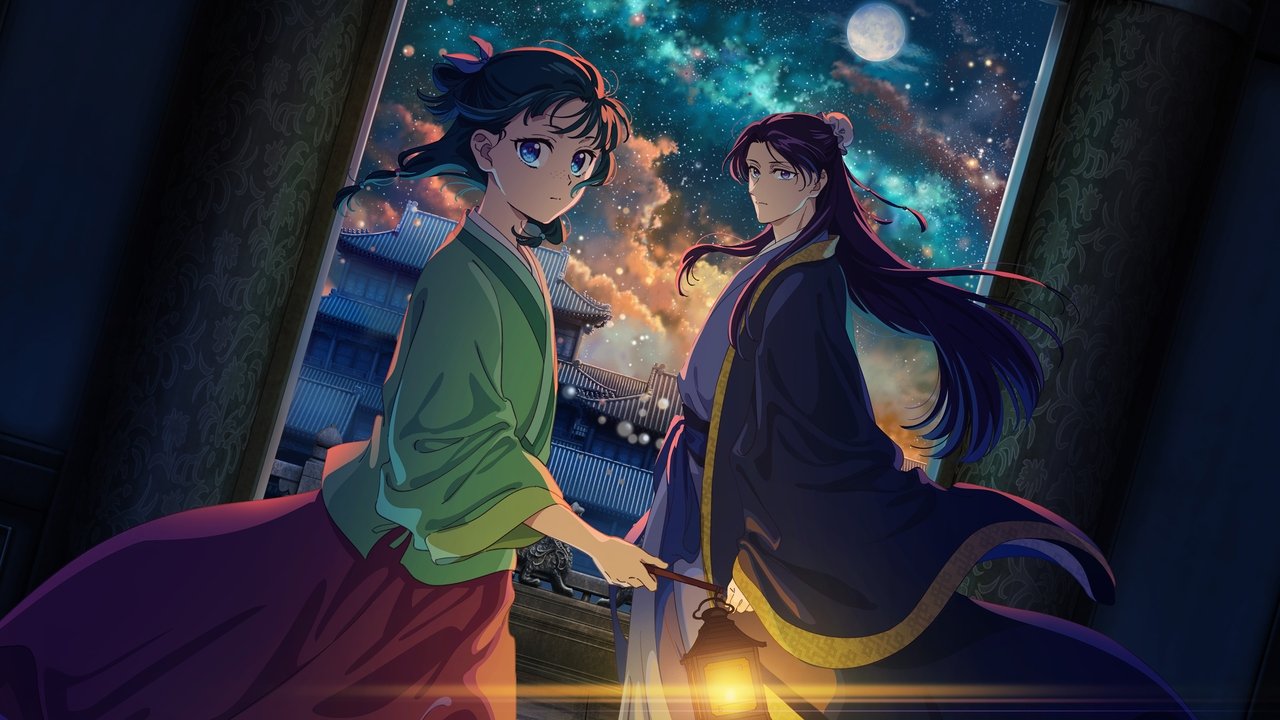
A new film story from Hinata Natsu changes the game
Plot twist: the film project isn’t just a recap movie or a simple side story. The announcement describes a completely new story by Hinata Natsu, which makes it feel much more like an original expansion of the franchise universe. That matters because movie projects can sometimes recycle familiar material, but this one appears to be aiming for something fresher.
While we’re at it, that also gives the story team room to play with tone. A film can lean into scale, atmosphere, and emotional payoff in a way weekly TV episodes often can’t. If the movie keeps the same sharp character writing and careful historical detail, it could become a strong entry point for newcomers who missed the earlier seasons. For long-time readers, it may also offer something the main plot line cannot, a chance to see these characters in a new situation without breaking the core continuity.
There’s also a broader franchise pattern here. When a Japanese title crosses a major circulation threshold and gets multiple new projects at the same time, it usually means the publisher and production committee see room for long-term growth. That’s especially true for a series like this, which has both literary credibility and mainstream appeal. In other words, this isn’t a one-off burst of hype. It looks like an ongoing empire.
Why Japanese learners should keep an eye on this series
Know that feeling when a series teaches you more than just a few words? The Apothecary Diaries does exactly that. It gives you court language, medical vocabulary, and a feel for indirect speech, all wrapped in a story that never feels like homework. That’s rare.
What I especially like is how the show balances elegance and detail. You hear terms connected to rank, etiquette, and diagnosis, and you also get a strong sense of how Japanese creators build atmosphere through small clues rather than loud exposition. If you are learning Japanese, that kind of writing can train your ear for nuance. For example, even a simple exchange can reveal power dynamics, caution, or hidden intent, and those are the moments that make immersion actually useful. Convinced yet?
For fans of Japan more broadly, the franchise also offers a window into how modern Japanese media packaging works. A big manga or light novel hit doesn’t just stay on the shelf. It grows through anime, songs, films, and announcements that keep the community talking. That ecosystem is part of why Japan’s pop-culture machine stays so strong, and this series is a clean example of it. See what I mean?
Sources
In pictures