

Overview
ラーメン (ramen, ramen noodle soup) Curry, known in Japan as Ra-カレー (Kare, curry), is one of the more interesting ideas to come out of the country's ramen scene in recent years. Despite the name, it is not a bowl of noodles swimming in curry sauce. Ra-Kare is curry rice, built from a ramen shop's own soup. The broth that normally forms the backbone of a shop's ramen becomes the flavor base for a curry sauce, which is then ladled over rice instead of being poured into a noodle bowl. The name itself is a modern portmanteau, blending "ramen" and "kare" (the Japanese word for curry). It is not a traditional, historic dish name — Ra-Kare functions as a registered trademark, launched by House Gyaban, part of House Foods Group, on April 28, 2026. That trademark origin matters: it explains why Ra-Kare has a consistent identity and name across the different ramen shops that serve it, even though every shop's broth is unique.
What Sets Ra-Kare Apart From Curry Ramen
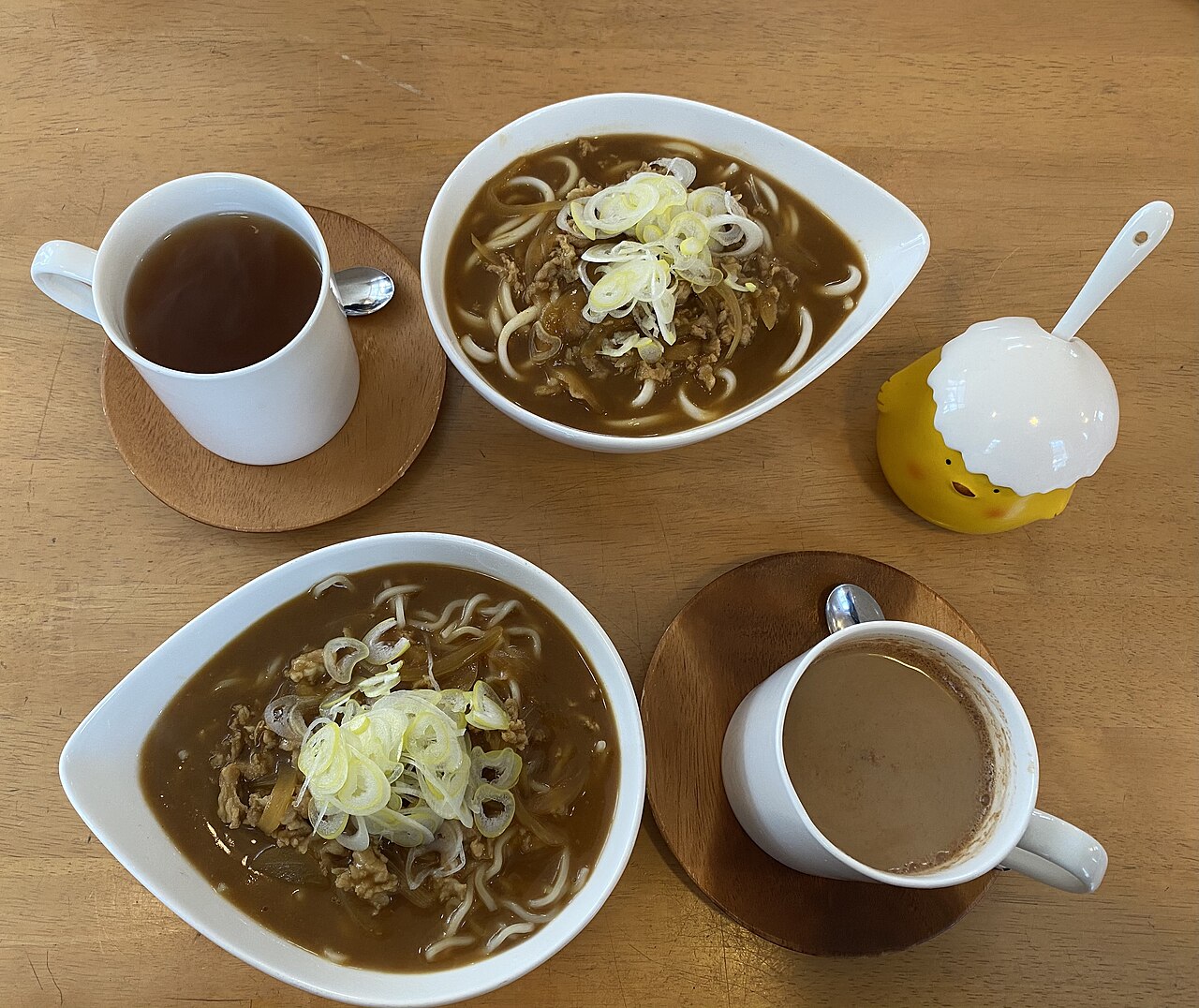
It helps to separate Ra-Kare from curry ramen, a dish many readers may already know. Curry ramen is, at its core, ramen soup that tastes like curry — noodles, broth, and spice all served together in one bowl, meant to be slurped. Ra-Kare works the other way around: it is curry rice made with ramen soup. The shop's broth is used only as a flavor base for the curry sauce itself, not as a soup you eat with noodles. There are no noodles in Ra-Kare, and there is no slurping element at all. Toppings like chashu, menma, or ajitama, which you would expect on a shop's regular ramen, are not part of the Ra-Kare dish — they belong to the noodle bowl, not to the curry rice. What you get instead is a thick, comforting curry sauce with real spice, sweetness, and heat, built on a broth base and poured over a plate of rice. It is a hybrid in the truest sense: two familiar formats recombined into something new, and it is presented as part of a genuinely new strand of Japanese eating culture rather than a novelty gimmick.
Regional Broths Behind Every Bowl
Japan's ramen culture has long been organized around distinct regional broth styles, and that same compositional thinking carries directly into Ra-Kare. Because each ramen shop starts from its own house broth, the character of a Ra-Kare dish shifts depending on which broth tradition anchors it. Broadly, ramen broths in Japan fall into a few well-established families:
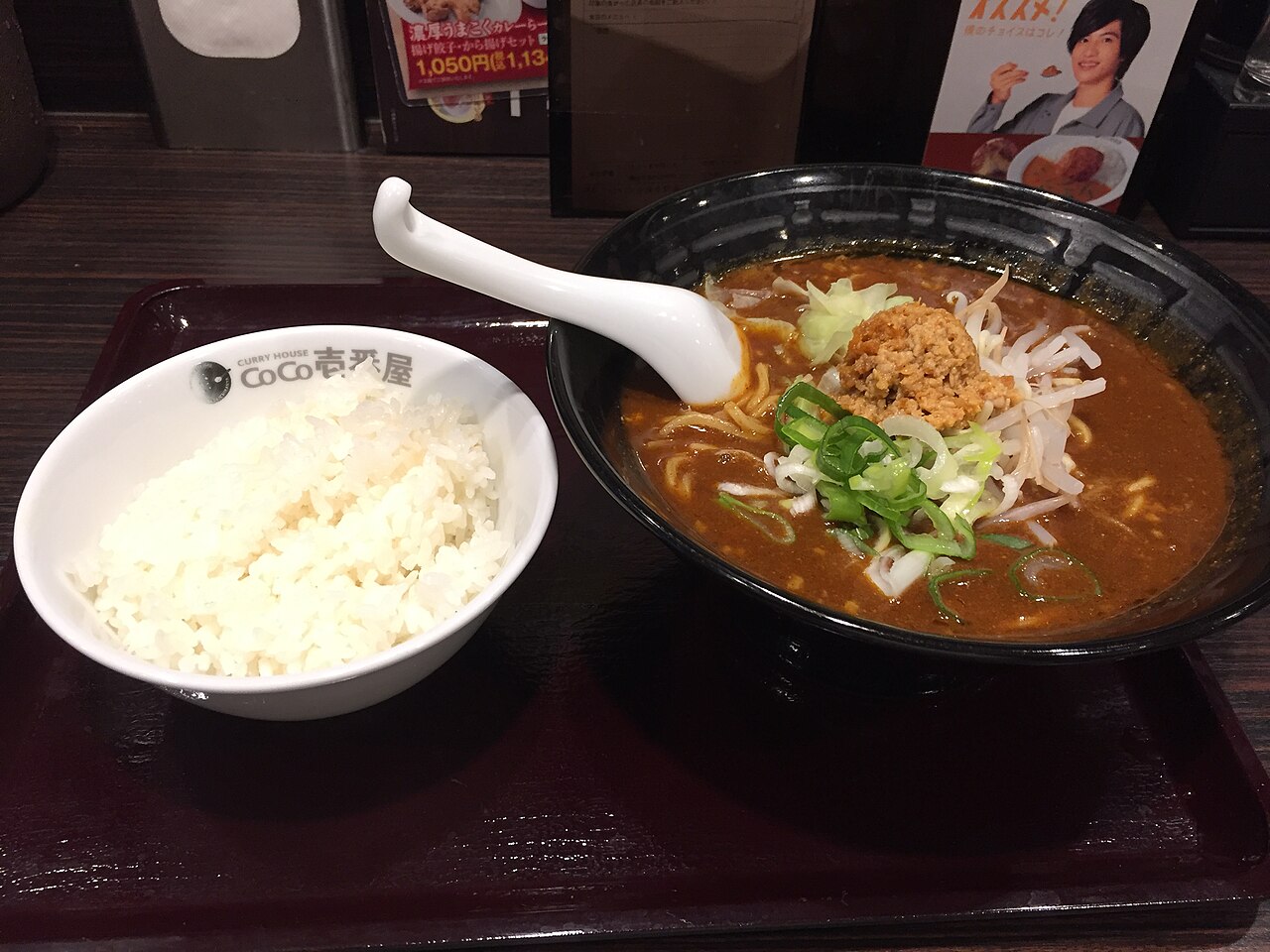
- 豚骨 (Tonkotsu, pork bone broth) — a rich, opaque broth simmered from pork bones
- 醤油 (Shoyu, soy sauce) — a clear, soy-sauce-seasoned broth
- 味噌 (Miso, fermented soybean paste) — a hearty, fermented-soybean-based broth
- 塩 (Shio, salt) — a lighter, salt-seasoned broth
Alongside these, many shops also work in the つけ麺 (Tsukemen, dipping noodles) style, where noodles and dipping broth are served separately. When any of these broths becomes the base of a curry sauce, the resulting Ra-Kare inherits that broth's personality — a tonkotsu-based Ra-Kare will read heavier and more savory than one built on a shio broth, for instance. This is one reason Ra-Kare rewards trying more than once: no two shops' versions taste quite the same.
Where to Experience Ra-Kare in Japan
Ra-Kare is served at ramen shops, not at dedicated curry restaurants, so experiencing it means seeking out shops that have added it to their menu alongside their regular ramen. Shops such as Iida Shoten and Mita Seimenjo have been noted for offering tastings of the dish, giving diners a direct point of comparison between a shop's standard ramen and its Ra-Kare interpretation of the same broth. More broadly, Japan's ramen culture and its density of specialty shops are especially well established in cities such as Tokyo, Osaka, and Fukuoka, which makes these cities a natural starting point if you want to sample Ra-Kare from more than one broth tradition in a single trip. Because the dish is tied to a trademark rather than to one restaurant chain, availability depends on which individual ramen shops choose to carry it, so it is worth checking a shop's menu or storefront signage before you go.
Ra-Kare and Japan's Classic Curry Rice
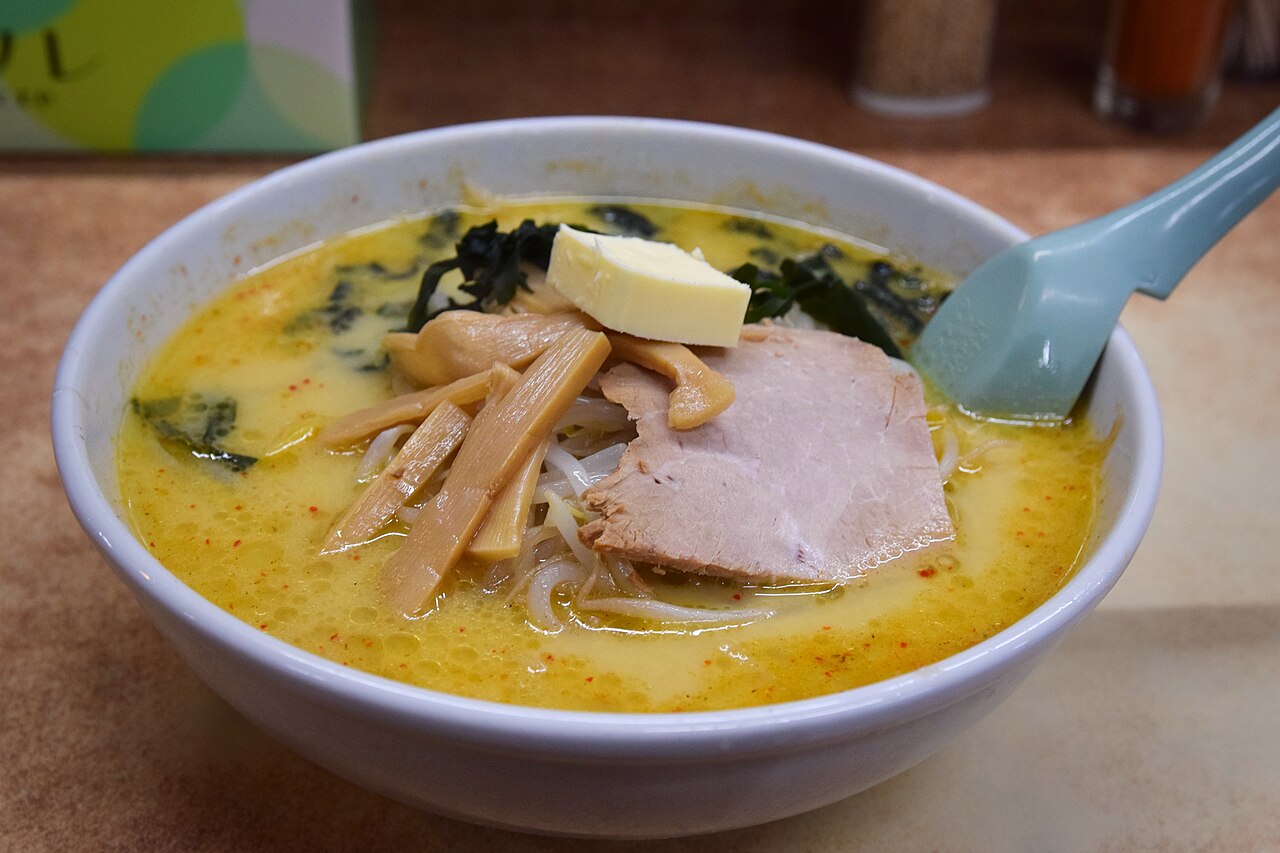
It is worth being precise about where Ra-Kare sits next to Japan's existing curry traditions, since the two are easy to conflate. Japanese curry, or kare, is not a spicy, Indian-style dish. It is a distinct Japanese classic that has been established in the country since the Meiji era, with its own thickened, mellow flavor profile. カレーライス (Kare raisu, Japanese curry rice), or Japanese curry rice, is the everyday, widely known version of this dish — a down-to-earth staple found in homes, school cafeterias, and casual restaurants across Japan. Ra-Kare borrows the curry rice format, but it is a distinct hybrid built specifically from ramen shop broth rather than from a standard curry roux base, so it should be understood as a modern offshoot sitting alongside kare raisu, not as a replacement for it. Much of the current coverage of Ra-Kare traces back to an editorial piece from the Ramen Japan Editorial Staff, a team that covers ramen as a cultural topic — worth flagging as a still-developing area of coverage rather than an exhaustively documented one.
Building Your Japanese Vocabulary Around Ra-Kare
If you are learning Japanese alongside your interest in food culture, Ra-Kare is a compact, useful case study. A few terms are worth having on hand:
- Ra-Kare (ラーカレ) — the portmanteau name for the dish itself
- Kare (カレー) — curry, in the Japanese sense, distinct from Indian curry
- Kare raisu (カレーライス) — classic Japanese curry rice
- Tonkotsu, shoyu, miso, shio — the core regional ramen broth styles
- Tsukemen (つけ麺) — dipping-noodle ramen, served with broth on the side
Learning these terms in context — attached to a real, specific dish rather than a vocabulary list — tends to make them stick. Next time you are reading a ramen shop's menu, or a Japanese food article, spotting kare, tonkotsu, or shoyu will already feel familiar rather than new.
