Overview
I have stood outside enough closed doors in Japan to know the particular ache of a building that clearly has a life going on inside it that you are not part of. A 相撲 (sumo, sumo wrestling) stable, or 部屋 (heya, room; (sumo) stable), produces that ache better than almost anywhere else. These are unassuming, traditional-looking buildings clustered mostly in Tokyo's Ryogoku and Sumida districts, and behind their plain facades, roughly forty-four of them currently registered with the Japan Sumo Association, wrestlers are living a schedule that has barely changed in structure for centuries. A recent YouTube documentary pushed further into that world than most coverage manages, following a guest who did not just observe from the doorway but actually joined the training. That is rare enough to be worth unpacking, theme by theme, because most of us will only ever get the doorway.
What a Heya Actually Is
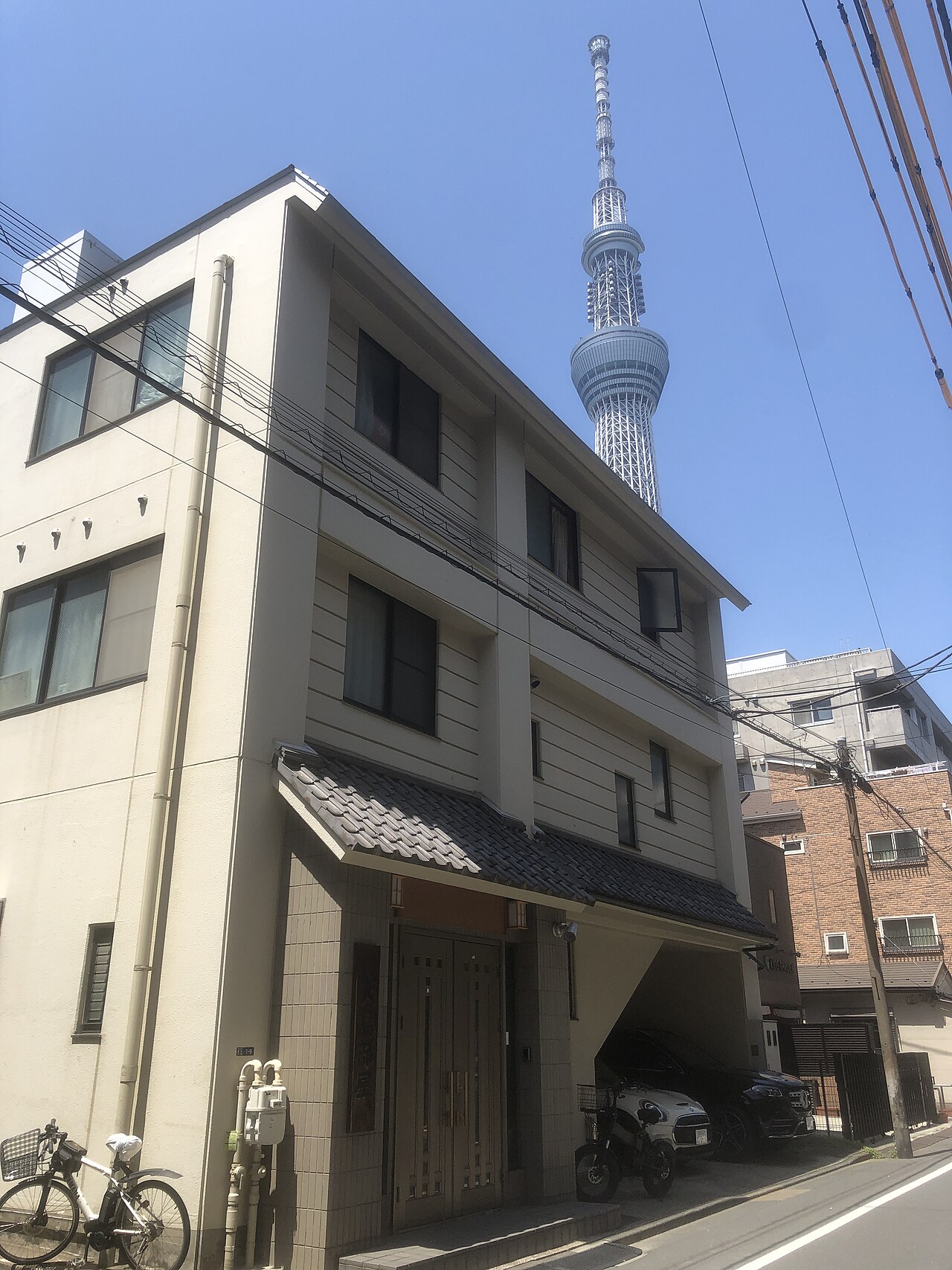
A heya is not a training facility that wrestlers commute to. It is a live-in household: wrestlers eat together, sleep together, and train together, all under a stablemaster who is himself a retired grand champion or other high-ranking former 力士 (rikishi, sumo wrestler). Rank inside the stable determines everything, down to who wakes first and who eats last. This is worth sitting with for a second, because it reframes the whole enterprise. Sumo is not a sport you practice for two hours and then go home from. It is a way of organizing an entire life, communally, under one roof, which is a stranger and more demanding proposition than most professional athletics ask of anyone.
A Morning That Starts Before Tokyo Wakes
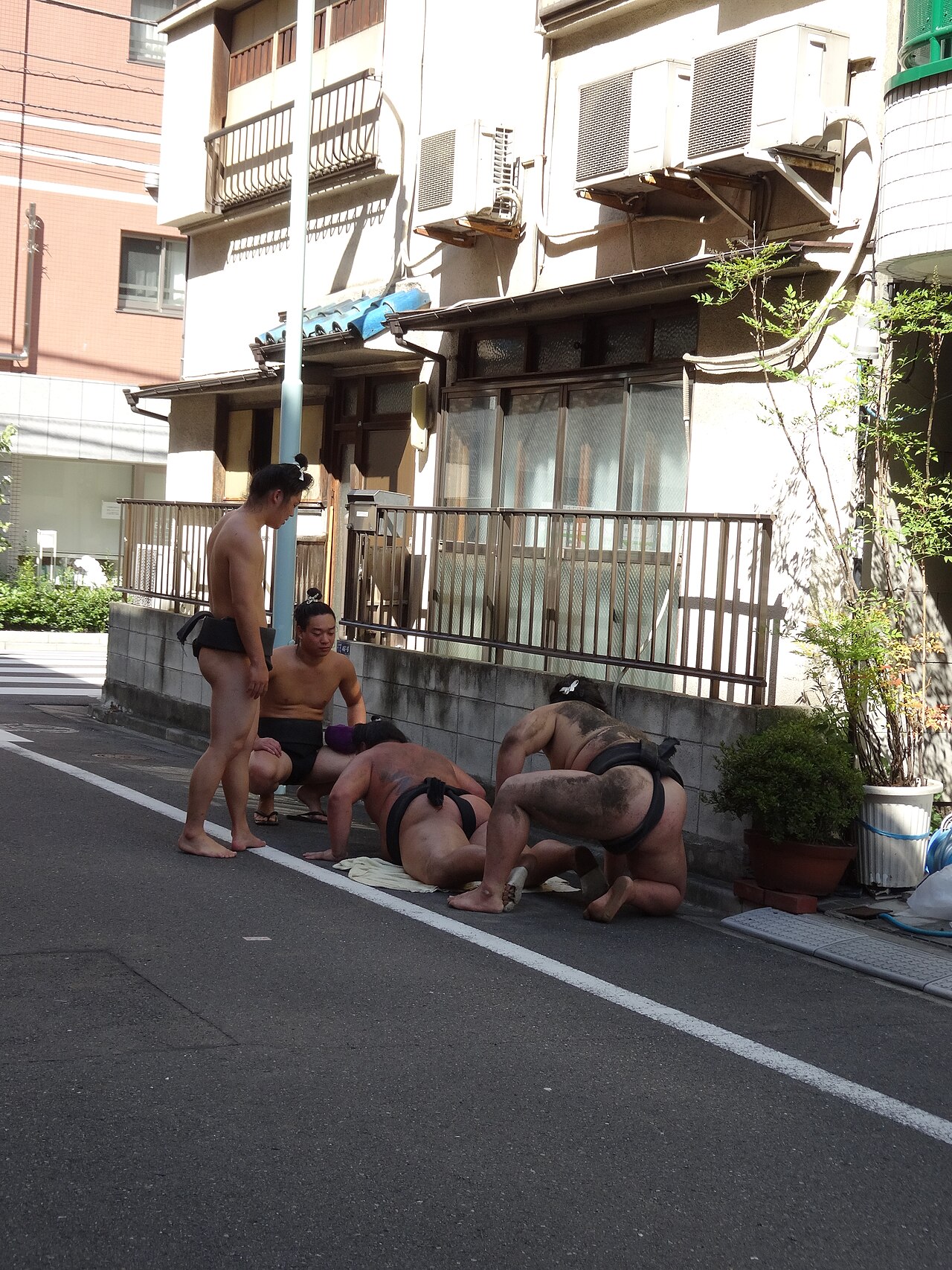
Training begins early. Somewhere between five and six in the morning, while the rest of Tokyo is still asleep, the younger wrestlers are already up. There is no breakfast. There is no separate warm-up either, in the sense most of us would recognize one; the body goes straight into work. That absence of a warm-up is not an oversight. It is part of a larger dietary logic: rikishi traditionally eat only two meals a day rather than three, a long fast running into the morning's training, followed by one massive meal afterward, followed by sleep. The point of the sequence, deliberately, is to help the body store fat and energy rather than burn it off, which is how wrestlers get and stay over 150 kilograms. It is a system built backward from the physics of collision.
Shiko, the Dohyo, and a Discipline Built on Silence
Before the higher-ranked wrestlers even arrive, the youngest members of the stable have already scattered salt, swept, and watered the 土俵 (dohyo, sumo ring), the raised circular ring, about 4.55 meters across, made of tamped clay. It is described, accurately I think, as much as a sand ring as a wrestling ring, smoothed daily and treated as sacred ground. No one is meant to step onto it without the right posture and the right attitude, full stop. Training itself opens with 四股 (shiko, sumo leg-stomping exercise), the foundational leg-raise: feet planted wide, one leg lifted high to the side and stamped down into the clay with real force, then the other, repeated for a long time. Professionals do somewhere between one and two hundred repetitions each morning. Beginners, by most accounts, are in real pain after twenty. What shiko demands is not obvious from watching it once: serious hip flexibility, a stable core, and legs that can absorb repeated impact without folding. And the whole thing happens in near silence. Mistakes are not narrated or corrected verbally. They are corrected by doing the movement again, and again, until the body gets it right on its own. Us dorks who grew up on coaches shouting encouragement will find the quiet unsettling.
Butsukari-geiko: The Hardest Part of the Morning
If shiko is the foundation, ぶつかり稽古 (butsukari-geiko, sumo charging/collision drill) is generally agreed to be the hardest single element of sumo training. A lower-ranked wrestler charges, full body, into an experienced 先輩 (senpai, senior, mentor figure), over and over, and the senpai throws him back, blocks him, or pushes him down without pausing to let him recover. There is no rest between charges built into the drill; the pace is set by the senior wrestler and it does not let up. It is less a technique lesson than an extended lesson in getting back up, which, depending on your temperament, is either the most brutal or the most honest part of the whole system.
Where to Experience Sumo Stable Training in Japan
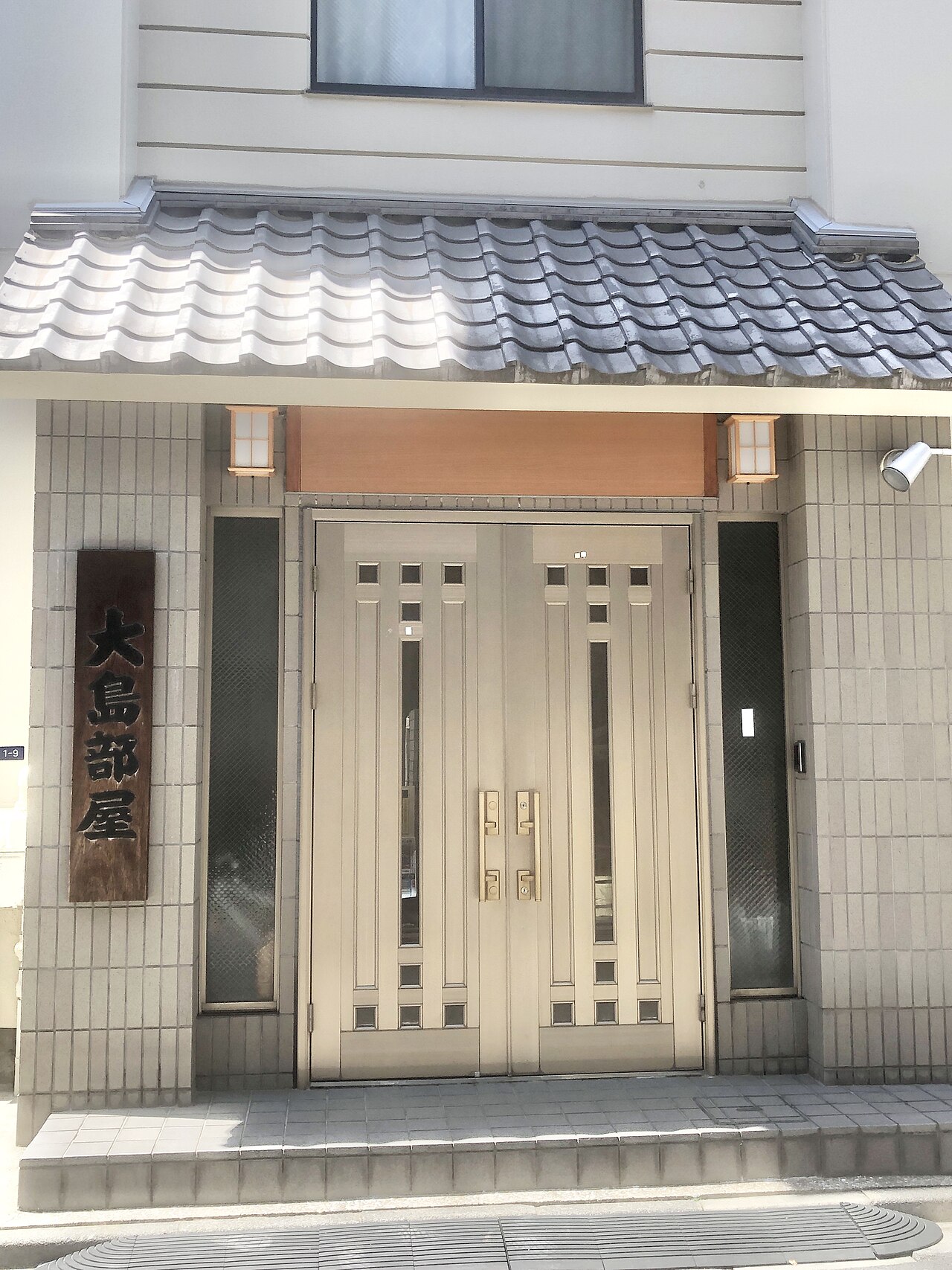
Here is the practical part, and I want to be straight with you about how limited it actually is. Outsiders are occasionally permitted to observe morning 稽古 (keiko, training, practice), from a respectful distance, in silence, shoes off. Actually training alongside the wrestlers, the way that recent documentary did, is close to unheard of for a visitor. If you want to try, Ryogoku is where you go: walk the neighborhood early, before the heat or the crowds, past the low stable buildings with their nameplates, and you will feel the particular texture of a district organized entirely around one discipline. A few points worth knowing before you go:
- Access is by invitation or arrangement, not walk-in; some stables work with licensed tour operators, others do not accept outside visitors at all.
- If you are permitted to watch, arrive early, remove your shoes, stay silent, and do not use flash photography or speak during training.
- Ryogoku Kokugikan, the sumo arena itself, is the reliable fallback if stable access does not come through, and tournament months there are worth building a Tokyo morning around regardless.
- Treat any stable visit as a privilege extended to you, not a transaction, because that is precisely how the wrestlers themselves are taught to treat the dohyo.
Learning the Language of the Ring
Part of what makes sumo rewarding to study, rather than just watch, is the vocabulary attached to it: heya for the stable itself, rikishi for the wrestlers, keiko for training, shiko and butsukari-geiko for the specific drills, senpai for the senior figure a junior wrestler charges against, dohyo for the clay ring underneath it all. None of these words are decorative. Each one names a real, specific piece of the structure, and learning them properly, the way you would learn the name of a mountain pass before you walked it, changes how you watch a morning training session. That is the whole appeal of a system this old: it rewards attention paid slowly, from a doorway, shoes off, in silence. More soon.