Overview
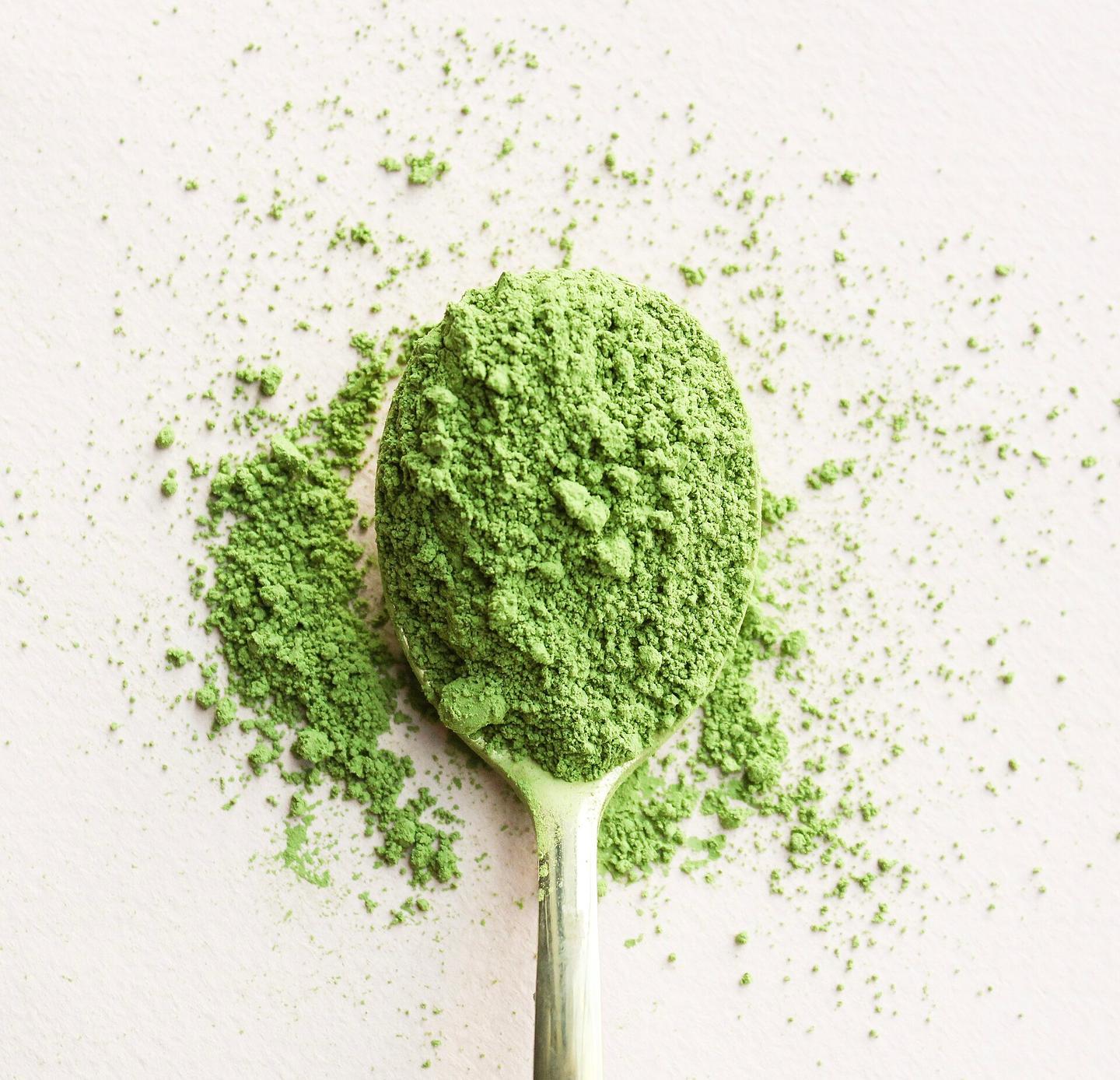
今日は (konnichiwa, hello / good afternoon)! OoMee 抹茶 (matcha, powdered green tea) is one of the more unusual entries in Japan's matcha world in recent years: ceremonial-style green tea combined with seaweed (海藻 (kaisou, seaweed)) technology, packaged as a ready-to-drink can rather than a traditional loose powder. It comes from Aqua Theon Inc., a food-tech startup that treats seaweed and algae as a raw-material platform for food innovation, not just a garnish for rice balls. If you have seen the name surface in coverage of Japanese startups or on shelves connected to the Los Angeles market, this guide lays out what is confirmed, what remains unclear, and how the broader world of matcha and kaisou can be experienced in Japan.
What OoMee Matcha Actually Is
According to detailed product reporting, OoMee Matcha is a canned, ready-to-drink beverage that blends organic green tea (matcha) with seaweed-derived fiber and agar-agar. It comes in flavors such as lemon-mint, yuzu-passionfruit, and berry, aiming to layer familiar matcha bitterness with brighter, more approachable notes. This is worth flagging clearly: some early descriptions of the product referred to it as a matcha-seaweed powder, but the more detailed sourcing describes a finished canned drink, not a loose powder you mix yourself. If you come across both descriptions, treat the ready-to-drink can as the better-documented version.
The Company Behind It: Aqua Theon Inc.
Aqua Theon Inc. is a Japanese food-tech startup built around seaweed and algae as a raw-material platform, applying algae-science extraction methods to isolate specific polysaccharides and minerals that are then blended with matcha. The company has a strong presence in Los Angeles, which it uses as a key hub for entering the North American market. That LA anchor matters: it links a distinctly Japanese ingredient tradition (matcha, kaisou) with US markets that are already primed for plant-based and functional beverages.
Funding: What Is Confirmed and What Is Unclear
Funding figures for OoMee vary depending on the source, and it is worth being upfront about that rather than picking one number and moving on. The most specifically sourced reporting puts Aqua Theon's raise at approximately ¥2 billion (roughly $13 million USD), collected in a Pre-Series A / seed round led by Sparx Asset Management, with participation from Beyond Next Ventures and other investors. Other characterizations of the company describe a much larger figure, around ¥20 billion, tied to development, production, and the North American market push more broadly. It is not clear from available information whether that larger figure reflects a different funding stage, a projected investment target, or a conflation with total planned spending rather than capital actually raised to date. Readers should treat the ¥20 billion figure as unconfirmed until clearer sourcing separates raised capital from projected spend.
The Science Behind the Matcha-Seaweed Pairing
Aqua Theon's core idea is to extract specific polysaccharides and minerals from seaweed and algae, then blend them into matcha rather than treating seaweed and tea as separate categories. The stated goals include improved nutrient density from the algae components, added 旨味 (umami, savory taste) depth, and potential use across vegan and functional beverage lines. One claim circulating around the product, that the matcha-seaweed combination specifically improves shelf life and preservation while keeping the traditional matcha flavor intact, is not backed by clearly sourced reporting and should be treated as unconfirmed for now rather than an established fact.
Matcha and Kaisou Vocabulary Worth Knowing
If OoMee Matcha has you curious about the ingredients behind it, a few Japanese terms are useful starting points for learners. Matcha refers to the finely ground green tea itself. Kaisou is the general word for seaweed, while more specific terms like 海苔 (nori, dried seaweed sheet), 昆布 (kombu, kelp), and 若布 (wakame, wakame seaweed) refer to particular varieties you will see throughout Japanese cooking. Umami, the savory fifth taste often associated with seaweed and dashi, is central to why seaweed-derived ingredients get paired with foods like matcha in the first place. 煎茶 (sencha, steeped green tea) is the everyday steeped green tea that matcha is distinct from, and knowing that distinction helps when reading Japanese tea packaging or menus.
Where to Experience Matcha and Seaweed Culture in Japan
OoMee Matcha itself is positioned around a North American, LA-anchored launch, so it is not the product to chase on a trip to Japan. But the ingredients behind it point toward genuinely rewarding places to visit. Uji, near Kyoto, and Nishio, in Aichi Prefecture, are Japan's best-known matcha-producing regions, with teahouses, tasting counters, and specialty shops built around the leaf. Department store food halls (depachika) in Tokyo and Osaka regularly stock high-grade matcha alongside seaweed products from producing regions like the Ariake Sea and the Seto Inland Sea, making them a convenient one-stop introduction to both ingredients. For a more immersive experience, a traditional tea ceremony session, offered in many cities for visitors, shows how matcha is prepared and consumed in its original context, well away from cans and flavor blends.