

Overview
The Shinkansen is Japan’s long-distance rail system, and the ticketing logic is simple once you see the pattern. A standard journey is usually split into a basic fare and a limited express supplement; if you buy at a station, those may be printed as separate tickets. That is normal, not a mistake. The real trick is deciding whether you want reserved or non-reserved seating, because that choice affects comfort, cost, and how much uncertainty you carry onto the platform.
For a first trip, I would treat the whole process with a little seriousness. Buy ahead if you can. Read the departure boards. Keep your ticket parts together. The system rewards calm attention, which is very Japanese in its own practical way, even when the line at the window is a little lumpy and everyone is moving with purpose.
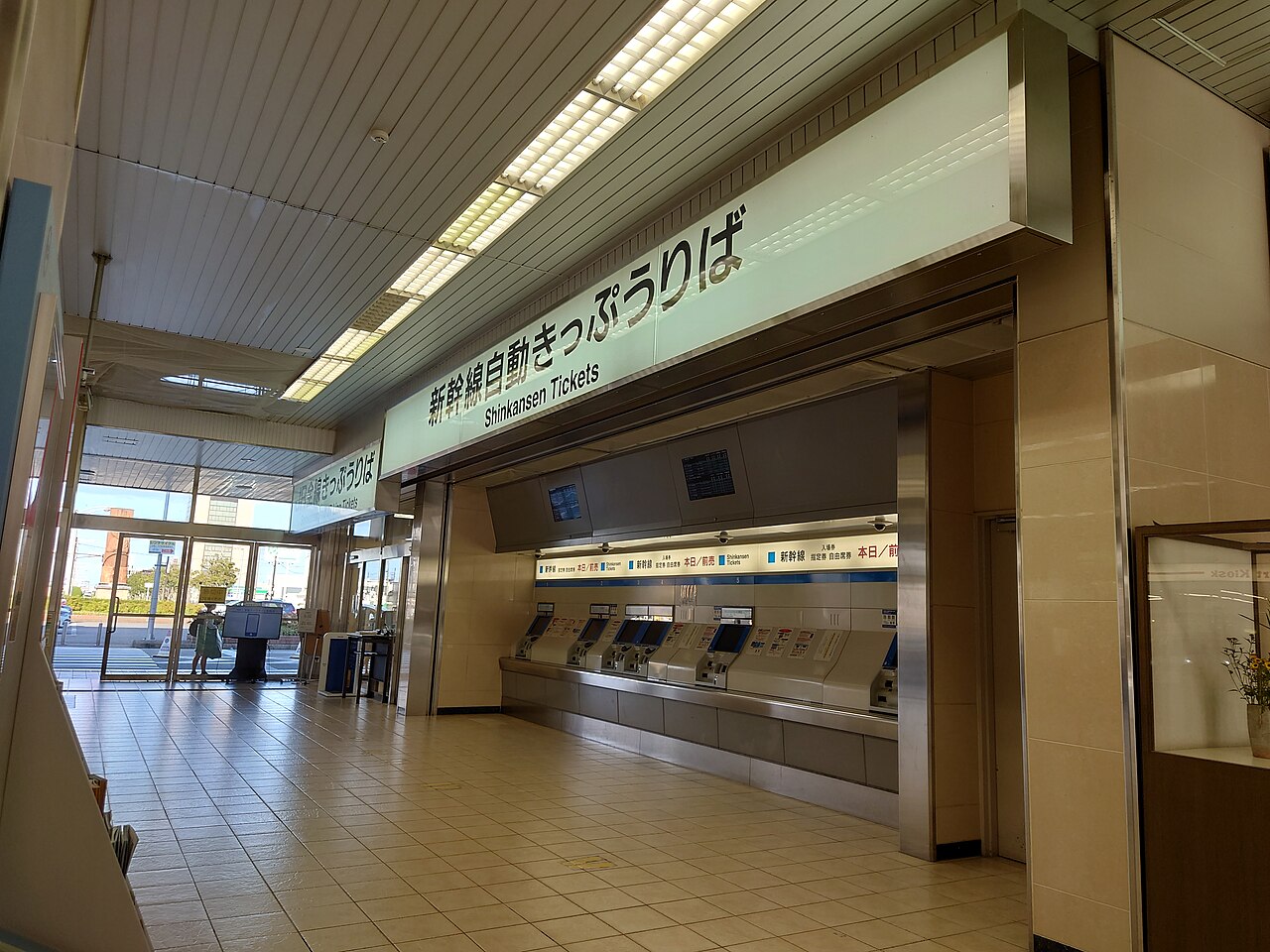
How Shinkansen tickets are sold
You can buy Shinkansen tickets in several ways. Major station ticket machines usually offer English and can search common routes such as Tokyo to Kyoto, which makes them very useful if you are comfortable handling the transaction yourself. You can also use staffed JR ticket offices, often called the green windows, if you want a human being to sort the details with you. For many travelers, that is the safer route on a first day, especially if the station is busy or the route involves changes.
A useful detail: the fare structure is often divided into a basic fare and a limited express supplement. If you buy at the station, the system may print these separately. That is standard practice. Do not look for a hidden complication where there is only routine railway logic.
Reserved or non-reserved: the choice that changes the day
Shinkansen trains often have both reserved and non-reserved seating. Reserved seats are strongly recommended for first-time riders, especially on busy corridors like the Tokaido Shinkansen between Tokyo and Osaka. When you reserve, you receive both a seat number and a car number, which removes a lot of guesswork. You know exactly where to stand, exactly where to board, and exactly where to sit. Small mercy. Large effect.
Non-reserved seats can be cheaper, but they are less forgiving. On quieter departures you may find a seat easily; on crowded days you may be standing or walking from car to car in search of an empty place. During peak travel periods such as Golden Week, reservations in advance become extremely important because trains can sell out. If you want a simple trip, choose reserved. It is the boring answer, and boring answers are often the right ones.
Train types and Tokyo to Kyoto timings
Not every Shinkansen runs at the same speed. Nozomi is the fastest train between Tokyo and Kyoto, taking about 2 hours and 20 minutes. Hikari takes about 2 hours and 40 minutes, while Kodama is slower because it stops more frequently. These differences matter when you are building a day around a departure time, or when you are deciding whether to leave a little earlier and give yourself room for the ordinary frictions of travel.
There is also a Japan Rail Pass angle worth noting for practical planning. Since the October 1, 2023 overhaul, Nozomi and Mizuho can be used with the Japan Rail Pass if the holder pays an additional supplement fee, which means they are no longer fully excluded. That changes the calculus for some riders, though it still pays to check the rules carefully before assuming a pass covers everything.
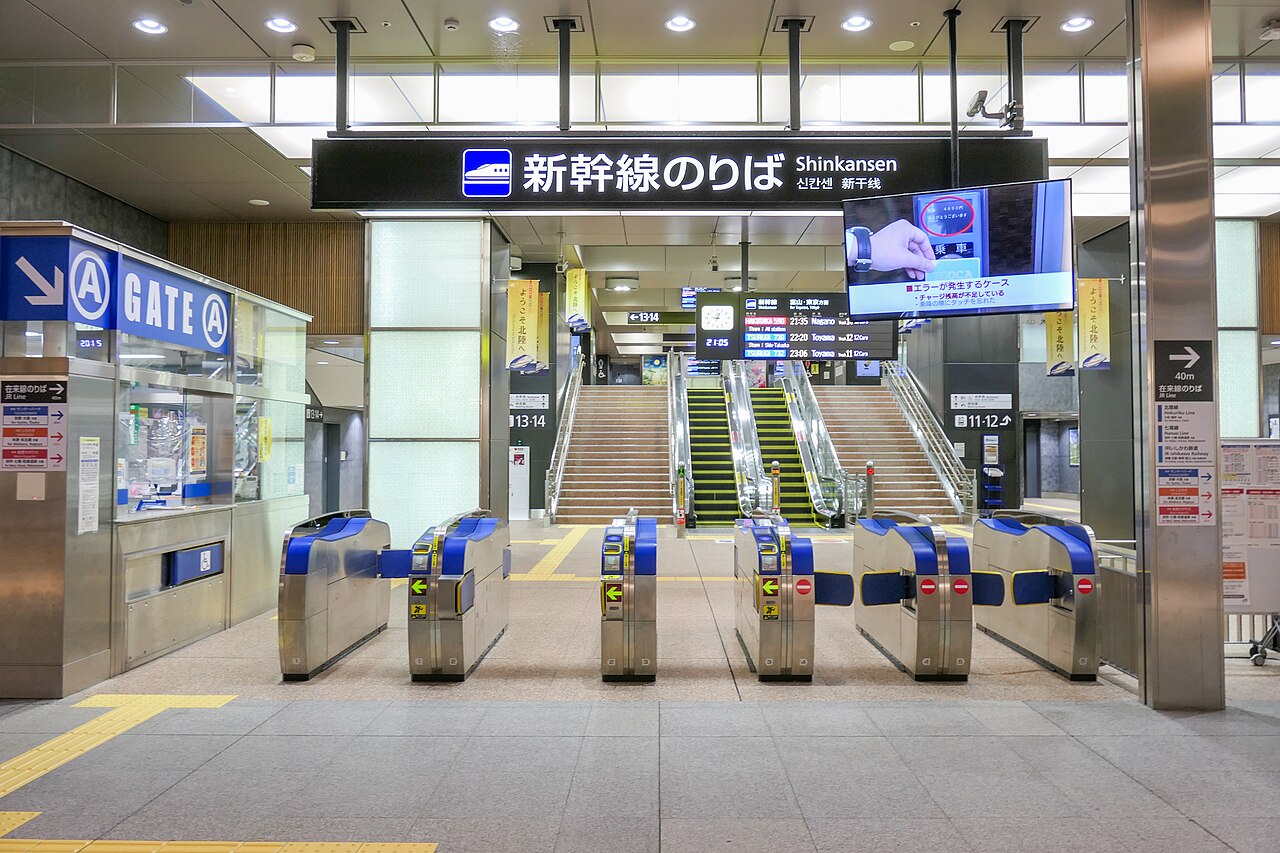
If you are new to rail travel in Japan, this can be the moment to brush up on the basics of Shinkansen Tickets, Seats and Boarding for First-Time Riders. The mechanics are not difficult; they are just precise.
Getting to the Shinkansen from Haneda and Hakone
For travelers moving between the airport, Hakone, and the bullet train network, geography starts to matter in a more concrete way. From Haneda Airport, a convenient route to Hakone can go via Shinagawa or directly via Odawara. Haneda to Odawara typically takes about 60 to 90 minutes depending on transfers and traffic, while the Keikyu Line from Haneda to Shinagawa takes about 15 to 20 minutes and costs around 300 to 500 yen. That makes Shinagawa a useful staging point if you want a straightforward Shinkansen connection without overthinking the route.
Odawara itself is important for travelers going from Hakone to Kyoto because the Tokaido Shinkansen stops there and offers direct service onward to Kyoto. In other words, it is not just a name on a timetable; it is a practical hinge between resort country and the long east-west rail spine of Honshu. The body has to move through places like this with the same attention it gives to stations in big cities. Same system. Different texture.
If your plan includes a Tokyo departure and you are comparing ticketing approaches, this guide on Shinkansen-Tickets erst am Flughafen kaufen, Pro und Contra is useful background for the decision of when to buy rather than whether to ride.
Costs and what to expect on a standard route
Shinkansen fares vary by distance, seat type, and train type, but a rough one-way ticket from Odawara to Kyoto costs about 11,000 to 14,000 yen, with unreserved seats usually a bit cheaper. That range is broad enough to remind you that timing and class matter, yet narrow enough to give you a real planning number instead of an abstract promise. If you are using a pass, or considering a supplement on a faster train, the final cost changes accordingly.
The key point is not the exact yen figure in isolation. It is understanding how the ticket is built, where you buy it, and what level of certainty you want before stepping onto the platform. Once that is clear, the rest is just the railway doing what it does best: carrying you quickly across the country while you stare out the window and think about distance, weather, and the strange dignity of infrastructure.
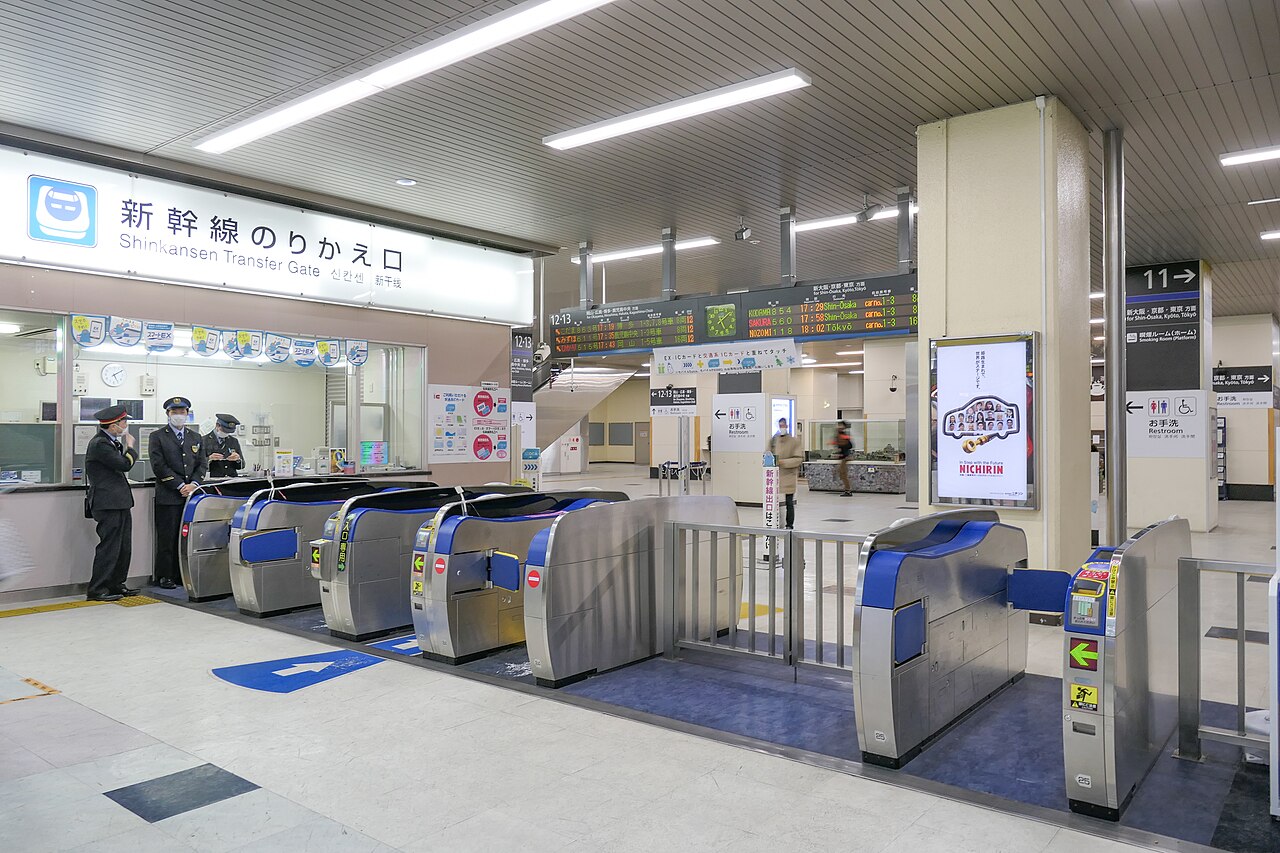
Practical tips for first-time riders in Japan
- Buy ahead when you can, especially if the date falls near Golden Week or another busy travel period.
- Use major station machines if you are comfortable; they often support English and major route searches.
- Choose reserved seats for a calmer first ride.
- Keep both parts of the ticket together if your fare and supplement are printed separately.
- If you are connecting from Haneda to Hakone or Kyoto, check whether Shinagawa or Odawara gives you the cleaner transfer.
- At the station, follow the car number and seat number exactly; that is the whole game.
A little vocabulary helps, too: 予約 (yoyaku, reservation; booking) means a reservation, and shitei seki is a reserved seat. 駅 (eki, train station) is a station, and 窓口 (mado-guchi, ticket counter; service window) refers to the staffed counter where you can ask for help. No need to memorize a textbook. Just enough language to keep the process moving. That is usually enough.
Frequently Asked Questions
Can I buy Shinkansen tickets in English at the station?
Yes. Major station ticket machines usually offer English and can search common routes such as Tokyo to Kyoto. Staffed JR ticket offices, known as green windows, are also available.
Should I book a reserved seat for my first Shinkansen ride?
Yes. Reserved seats are strongly recommended for first-time riders, especially on busy lines like the Tokaido Shinkansen between Tokyo and Osaka.
What is the difference between reserved and non-reserved seating?
Reserved seating gives you a seat number and car number, so you know exactly where to board and sit. Non-reserved seats can be cheaper, but they may require standing or searching for a seat.
How long does the fastest Tokyo to Kyoto train take?
Nozomi is the fastest train between Tokyo and Kyoto and takes about 2 hours and 20 minutes. Hikari takes about 2 hours and 40 minutes, while Kodama is slower because it stops more often.
Where should I buy the ticket if I want less stress?
For first-time riders, buying before the travel day is recommended. You can use station machines or the staffed JR ticket office, depending on how much help you want.

