
Overview
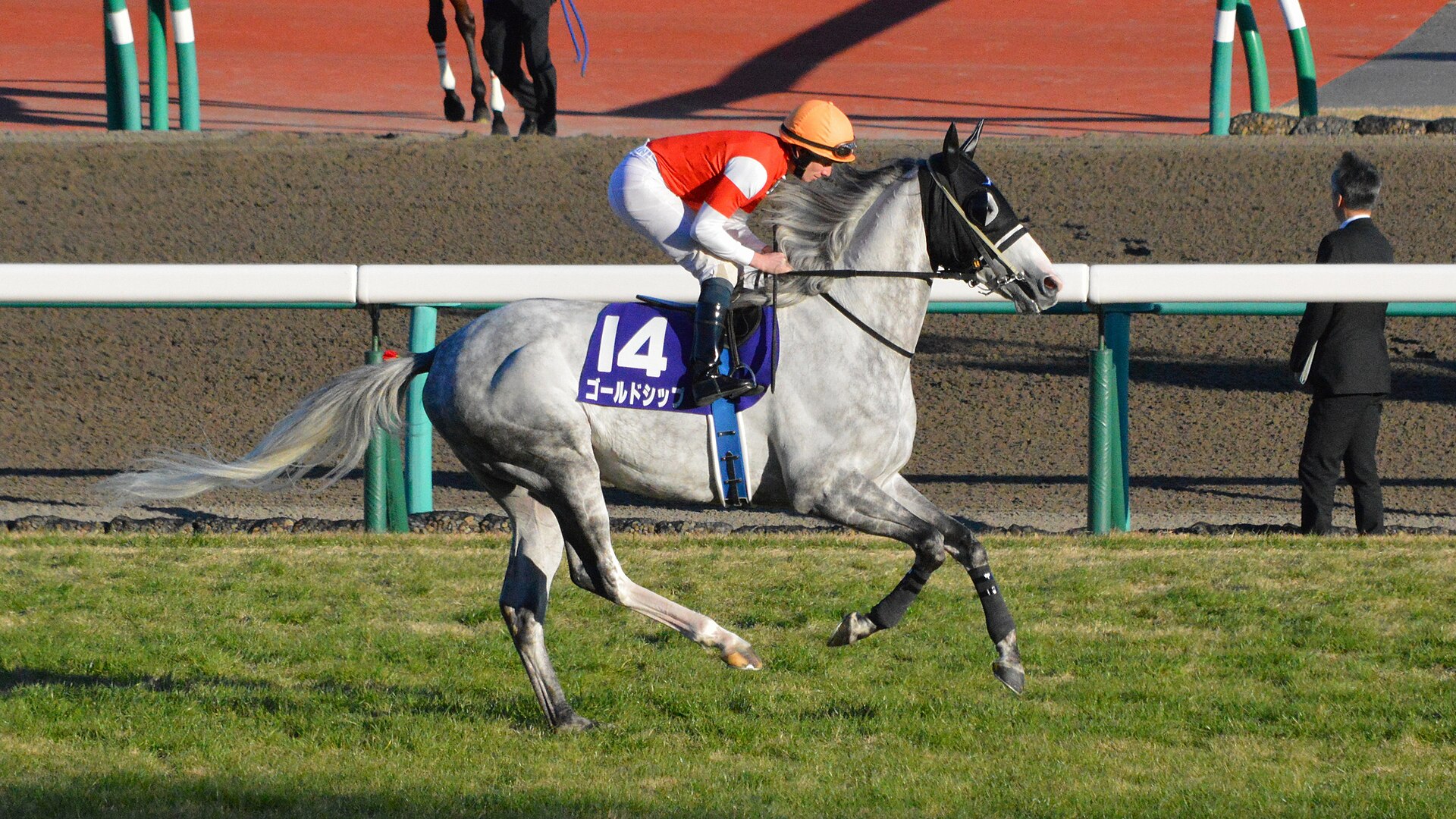
Gold Ship is the kind of horse that turns a racing fan into a storyteller. Born in 2009, active on the track from 2011 to 2015, and credited with 28 starts and 13 wins, he collected six Grade 1 victories and built a reputation that went far beyond the numbers. He won the Satsuki Sho, the Kikuka Sho, the Arima Kinen, and the Takarazuka Kinen twice, in 2013 and 2014, then famously stumbled badly at the start of his 2015 attempt at a third straight Takarazuka Kinen win and finished 15th. It certainly did! That combination of brilliance, chaos, and late-race drama is a big part of why he became such a cult figure among racing fans and 馬 (uma, horse) Musume players alike.
And what makes Gold Ship especially interesting from a Japan-travel point of view is that his story is not just locked in race records. He became a character in the broad cultural sense, showing up in media, game content, and fan conversations until he felt less like a single athlete and more like a personality everyone in the room already knew. If you are building a trip around horse racing culture, or even just trying to understand why people still talk about him so much, Gold Ship is a great place to start. For readers who like following racing history online before a trip, Ein Tag mit Gold Ship: Japans Kult-Rennpferd ganz nah is a natural companion piece.
Why Gold Ship became a cult favorite
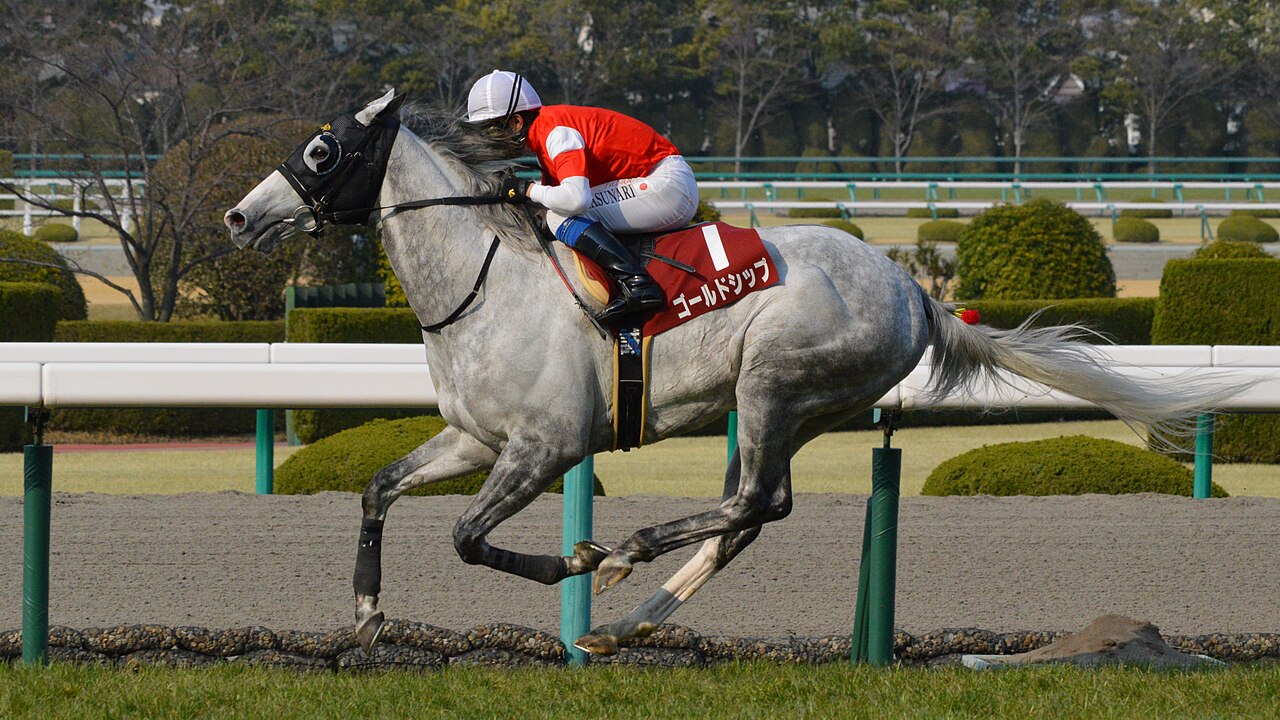
Gold Ship was known for an unpredictable, eccentric personality that made him stand out even in a sport already full of strong characters. He could refuse to start, rear up when loaded, or look completely theatrical one moment and then produce a dramatic comeback run from the back of the field the next. That mix of frustration and excitement is exactly the sort of thing racing fans remember forever. You do not just follow a horse like that; you start reacting to him like a story unfolding in real time.
His popularity rose especially strongly in the 2012 racing season, and from there his image kept growing. The reason is simple enough: results matter, but personality matters too. Gold Ship had both the record and the attitude, and in Japan that can create a fan base that feels almost character-driven. He was the son of Stay Gold, which only adds another layer for racing followers who enjoy tracing bloodlines and understanding how certain names keep reappearing in the sport.
That broader appeal is also why his name lives on in game culture and fan spaces. If you are researching him for a trip, or for a Gold Ship guide before visiting Japan, you are really looking at a horse that sits at the meeting point of sport, memory, and character branding. For another angle on his public image, Gold Ship in Japan: Ein Tag beim Star-Rennpferd fits neatly into the bigger picture.
The races that built his reputation
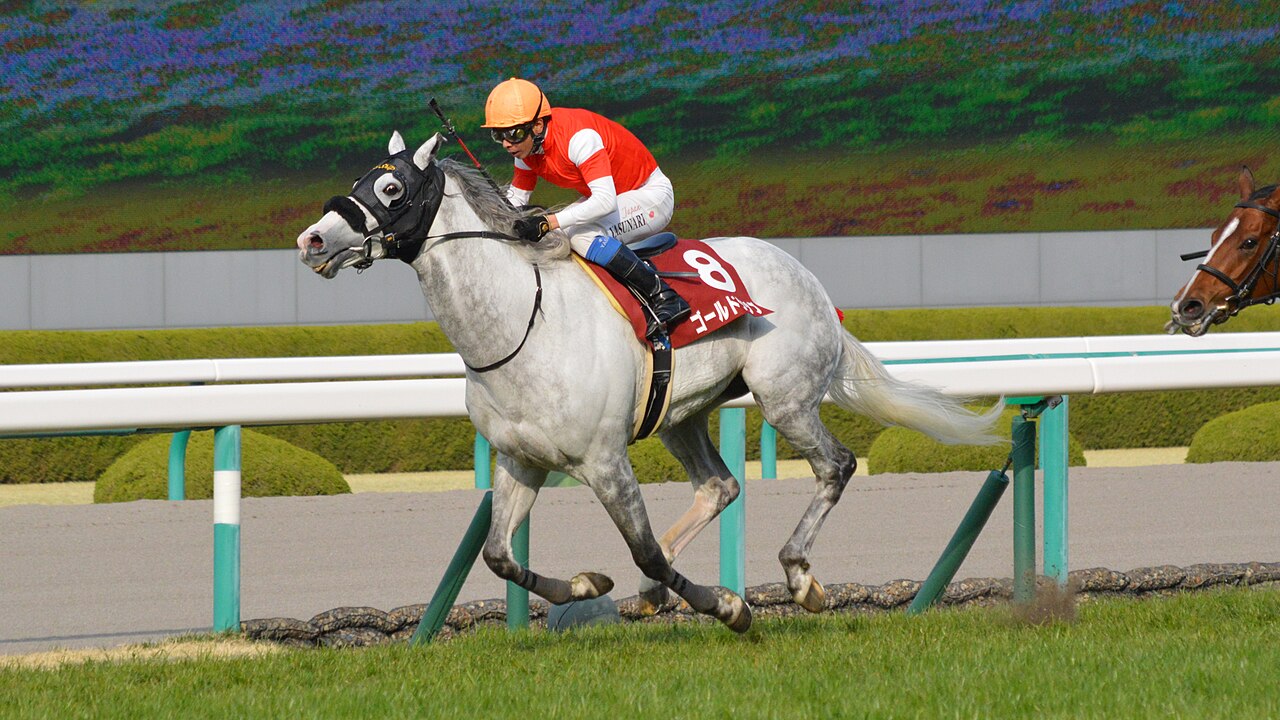
Gold Ship's resume is the sort that makes fans nod before they even start talking. Six Grade 1 wins is serious business, and the major victories gave his career its backbone. The Satsuki Sho and Kikuka Sho established him as a top-class horse, while the Arima Kinen and his back-to-back Takarazuka Kinen wins cemented his place in modern Japanese racing memory. But beyond that, the shape of his career mattered. He was not just winning in tidy, predictable ways. He was often doing it with drama, patience, and a late kick that could make the final stretch feel electric.
That is also why his 2015 Takarazuka Kinen attempt is remembered so vividly. After winning the race in both 2013 and 2014, a third straight win would have been an extraordinary feat, but the bad start changed everything immediately. Racing has a way of humbling even the biggest stars, and Gold Ship had a knack for reminding people that no lead is safe and no script is guaranteed.
If you are learning Japanese through racing culture, this is where a little vocabulary becomes surprisingly useful. The term 殊走 (shusou, horse race), meaning a horse race, comes up constantly around him; 名勝 (meisho, famous horse), meaning a famous or well-known horse, describes his status nicely; 優駿 (yushun, champion horse; major race victory), meaning a championship race or major victory in context, helps when reading results; and 競馬 (keiba, horse racing), the sport of horse racing itself, is the umbrella word you will see everywhere. For fans using Gold Ship kanji searches or trying Gold Ship japanisch lernen queries, these terms are the ones you are most likely to meet again and again in articles, race reports, and museum labels.
What stable life around a star horse looks like
Part of Gold Ship's appeal is that he was not only a race-day headline. He was also a living horse with a daily routine, and that routine is exactly what makes horse culture in Japan feel so grounded. Stable life includes feeding, grooming, hoof checks, walking, and other calm care activities that keep a horse healthy and comfortable. Visitors who encounter a famous racehorse in this kind of setting should expect a quiet, controlled environment rather than a casual wandering experience.
That matters because stable etiquette is strict for good reasons. Staff instructions come first, and visitors have to stay on designated paths instead of roaming freely. In Japanese horse culture, that kind of discipline is part of the respect shown to the animal, the staff, and the working space. It is also a good reminder that seeing a famous horse is not the same as a zoo-style encounter. You are entering a professional setting, and the most memorable part is often the atmosphere itself: calm, careful, and very focused.
Gold Ship was also described as gentle and curious with people in the stable, and responsive to being petted. That softer side matters, because it balances the wild racing personality people remember from the track. The contrast is part of the charm. One minute you are reading about rearing at the gate; the next you are hearing that he could be relaxed and attentive in daily care. Horses, like people, rarely fit into one neat box.
Where to experience horse racing culture in Japan
If your goal is to experience Gold Ship's world in Japan, the best starting point is not a single shrine-like location but the wider racing culture around 日本中央競馬会 (JRA, Japan Racing Association) tracks and related horse tourism. The Japan Racing Association operates ten racecourses across the country, and the scale of the sport is easy to feel at major meetings. The Japan Cup in Tokyo, for example, regularly draws over 100,000 spectators, which gives you a sense of how deeply horse racing can cut through the culture when a major event comes around.
For a trip focused on this side of Japan, I would suggest thinking in three layers. First, the racecourse experience: that is where you get the sound, the crowd, the tension, and the rhythm of Japanese keiba. Second, the museum or exhibition experience, where retired champions and race history are presented in a way that helps you understand why a horse like Gold Ship still matters. Third, the stable or horse-farm side, where you see the daily care behind the spectacle. Together, those layers give you a fuller picture than any single stop could.
And if you are the kind of traveler who likes to go a little deeper, this is where the hidden spots can be the most rewarding. A smaller museum display, a fan area near a racecourse, or a guided farm visit can tell you more than the biggest headline event sometimes does. Japan rewards patience here… and a little curiosity goes a long way.
Related horses, media, and fan culture
Gold Ship did not stay confined to the racing section of the cultural memory shelf. He appeared later in media, game content, and fan discussions, which is part of why his name still has such a strong afterlife. When a racehorse becomes recognisable outside the sport itself, people start talking about his quirks the way they would talk about a fictional character. Gold Ship reached that level. He became almost a character with his own brand.
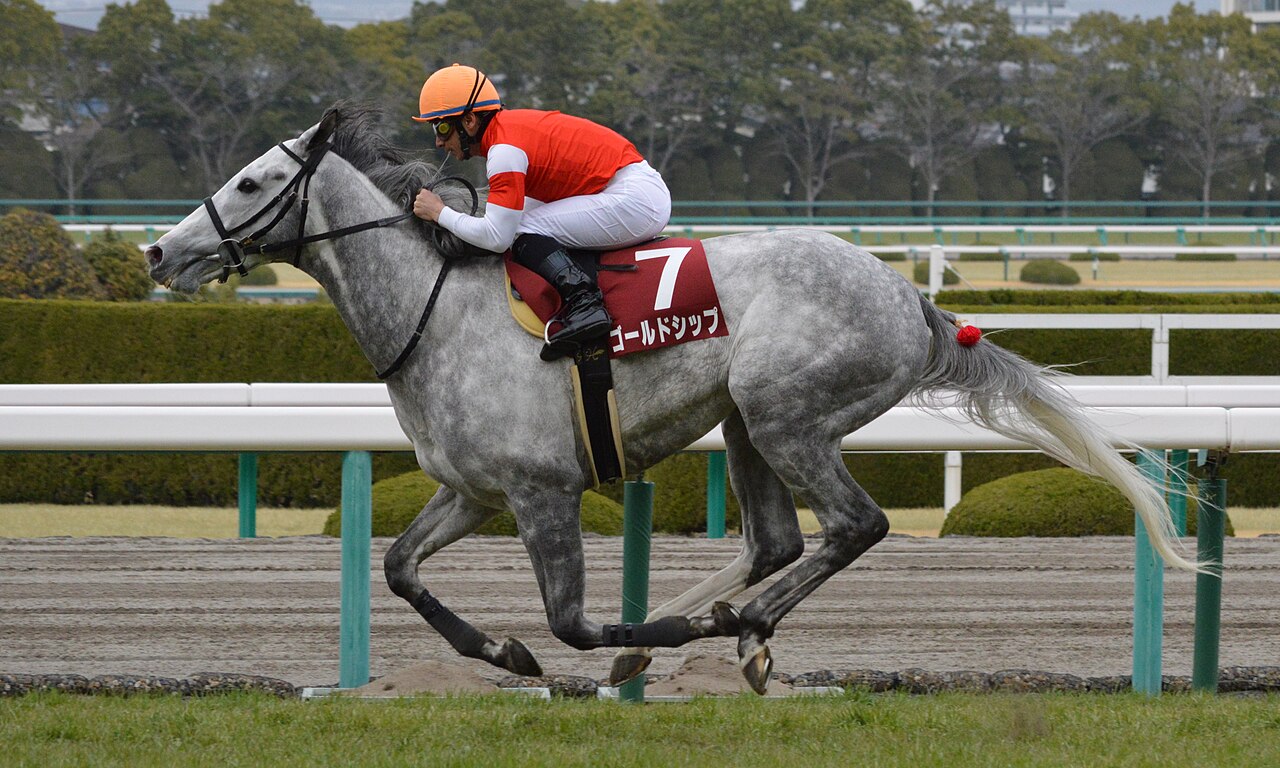
That also helps explain why searches like Gold Ship guide, Gold Ship news, or even Gold Ship kanji remain common. Fans are not only looking for stats; they are looking for context, personality, and the pieces that connect a real horse to a broader cultural moment. If you are exploring Japanese racing culture from abroad, that is a pretty lovely thing, honestly. It means the story keeps opening outward instead of closing after the last race.
So whether you come for the achievements, the strange starts, the comeback runs, or the stable quiet between the thunder of race day, Gold Ship offers a very Japanese kind of fascination: skill, discipline, unpredictability, and a fan base that never quite stopped smiling at the drama. You'll eventually find your own place in Japan's horse-racing world, and Gold Ship is a very good horse to follow there.
Frequently Asked Questions
Who was Gold Ship?
Gold Ship was a famous Japanese racehorse born in 2009, active from 2011 to 2015, and known for both major wins and an eccentric racing personality.
What made Gold Ship so popular?
He was popular because he combined six Grade 1 wins with unpredictable behavior, dramatic race runs, and a larger-than-life fan image.
Where can I experience Gold Ship-related horse racing culture in Japan?
You can experience it through JRA racecourses, major races like the Japan Cup in Tokyo, and horse-related museum or stable visits when available.
What kind of stable routine did Gold Ship have?
His stable routine included feeding, grooming, hoof checks, walking, and other calm daily care activities under staff supervision.
Why do people search for Gold Ship kanji or Gold Ship japanisch lernen?
Because fans often want to read about him in Japanese sources, and racing vocabulary like shusou, keiba, meisho, and yushun is useful for understanding those materials.

