Overview
I've spent enough hours walking the lumpy tea hills above Shizuoka City to understand the problem before it ever became a headline: too many good, small growers, each with a lovely little private label, and no single word tying them together for a buyer standing in a shop in Paris or Queens, squinting at a wall of green tea bags that all look vaguely the same and mean nothing to them. On April 29, 2026, Kyodo News reported that Shizuoka Prefecture is doing something about that. The prefectural government, local municipalities, producers, and tea associations have agreed to unite the region's tea industry under one common brand and logo, with the explicit goal of boosting international recognition. Shizuoka isn't a minor player making this move quietly. The prefecture produces something like 40 percent of all the green tea grown in Japan, so a rebrand here is closer to a national event than a regional one.
Why One Brand, One Logo
For generations, Shizuoka's growers sold under dozens, maybe hundreds, of separate local and private brand names, whether the tea was 煎茶 (sencha, steamed green tea), 玉露 (gyokuro, premium shaded green tea), or 抹茶 (matcha, powdered green tea). That variety is charming if you're standing in the prefecture itself, at a farm stand with a farmer who can tell you exactly which slope your leaves came off. It's a liability if you're an overseas buyer. Exporters have reported that foreign importers often couldn't trace a bag of tea back to a clear point of origin, because dozens of small producer brands sat side by side on the same supermarket shelf, none of them recognizable, none of them building on the reputation of the others. The new unified mark is meant to fix that: one trusted badge that lets a retailer in another country say "this is Shizuoka tea" with confidence, rather than explaining the differences between forty small farms nobody abroad has heard of. The stated aim is to communicate origin, quality, and sustainability in a single glance, consolidate marketing costs that small producers can't easily bear alone, and professionalize the supply chain end to end.
Mount Fuji on the Label
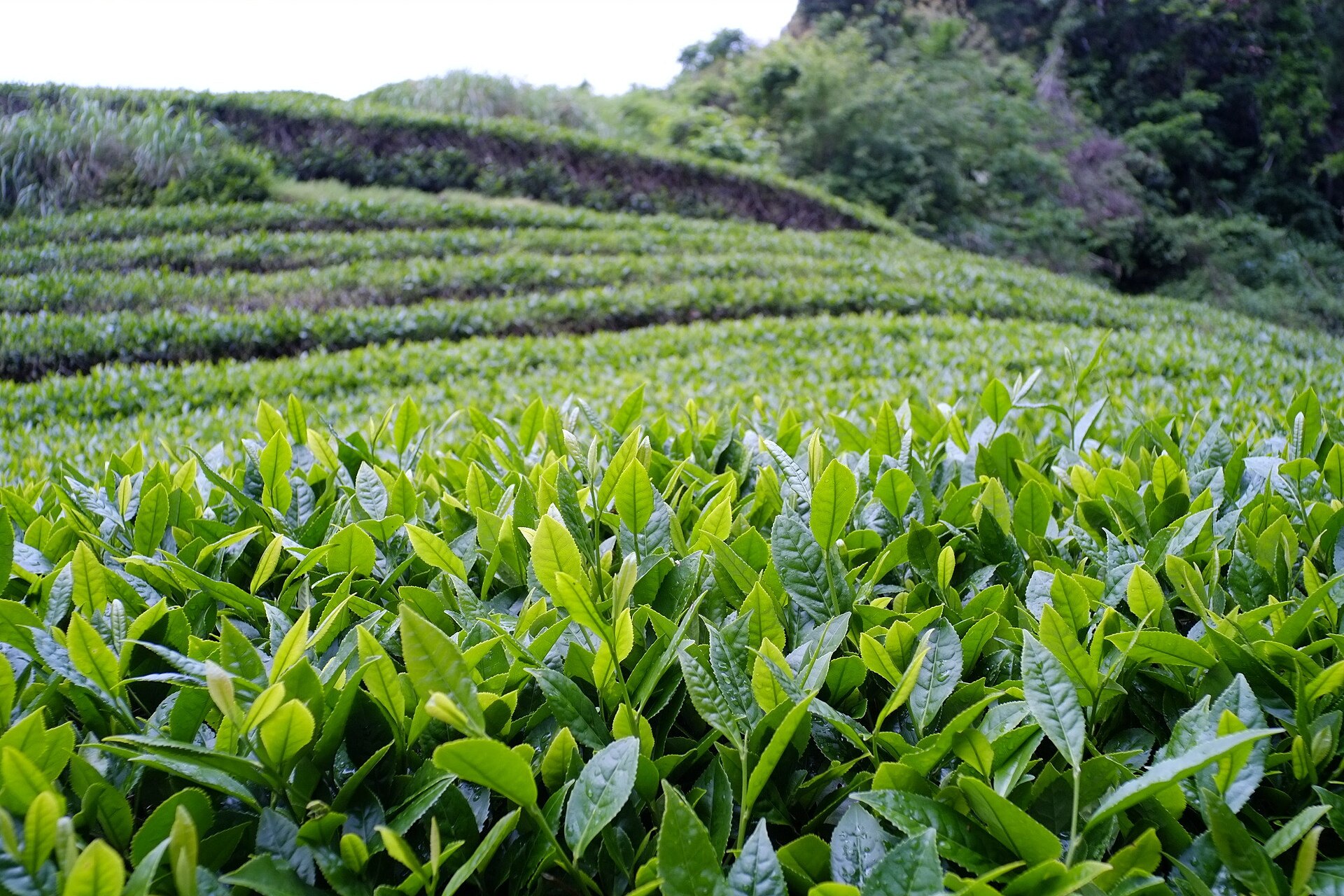
The visual identity leans hard on Mount Fuji, which makes sense once you've stood in a Shizuoka tea field and looked north. The prefecture sits south of the mountain, and a good share of its tea benefits directly from that geography: the rainfall patterns, the climate, the volcanic soil working its way into the roots. Subsequent reporting tied the design work to Kashiwa Sato, a well-established Japanese designer known for clean lines and typography that sticks in your head rather than shouting at you. His portfolio includes branding for UNIQLO, 7-Eleven Japan, Rakuten, Honda, and Yanmar, which puts this project in serious company. What's been described publicly is a logo that follows current packaging conventions: clear typographic labeling, a restrained color palette, and visual symbolism drawn from tea culture itself rather than generic "Japan" iconography. Some of the finer operational detail floating around — specific Pantone color codes, exact clear-space rules for legibility in English and Spanish, whether individual producers keep their own quality seals alongside the new mark, or references to the badge appearing in Tokyo tea shops versus supermarkets in New York and Paris — hasn't been consistently confirmed across sources, so treat those specifics as reported but not yet locked down.
What the Shizuoka Tea Rebranding Actually Changes
Strip away the design talk and the practical shift is about trust and paperwork. A single mark, once it's standard across bulk cartons, retail packs, and promotional material, reportedly simplifies customs listings and retailer onboarding for small farms that used to juggle dozens of separate private labels — useful, though the finer certification requirements tied to that mark are still being worked out and aren't fully confirmed. What's clear is the intent: this is being framed as a refinement of Shizuoka tea's existing identity, not a replacement of it. Nobody is asking growers to abandon what makes their tea theirs. They're being asked to stand under a shared roof when they step onto the export dock.
Sencha, Gyokuro, Matcha: The Terrain Behind the Cup
None of this rebranding matters much if the tea itself weren't worth the fuss, and the terrain does a lot of the work. Shizuoka's tea fields sit at elevations roughly between 100 and 600 meters, and that range, combined with how close or far a field sits from the coast, produces real differences in the cup — noticeably in umami, the savory depth that separates a decent sencha from a memorable one. Sencha is the everyday steamed green tea most people picture. Gyokuro is the shaded, more concentrated cousin, grown under cover before harvest to deepen both color and flavor. Matcha, the powdered form used in tea ceremony and, increasingly, in everything from lattes to sweets, comes from similarly shaded leaves ground fine. Walk two ridgelines apart in tea country and you'll taste the elevation change before anyone tells you about it.
Tasting Shizuoka Tea on the Ground
If you want the texture of place rather than the marketing version of it, go to Shizuoka itself. The city of Shizuoka has a tea market and museum culture built around the crop, and the surrounding hills — around Kawane, Honyama, and the Makinohara plateau — are walkable in a way that rewards a slow visitor. Wear light shoes. Expect klicks of narrow farm roads between one grower's stall and the next. Tea shops in the prefecture will happily brew you sencha or gyokuro on the spot, and farm stands sell direct in a way no export label can replicate. In Tokyo, dedicated tea shops increasingly stock Shizuoka product by name rather than by scattered sub-brand, which is exactly the shift this rebrand is chasing. If you can't make the trip, look for the region's name printed plainly on the bag; that's the whole point of the exercise.
A Few Words to Carry With You
- お茶 (ocha, tea) — tea, the general everyday word
- sencha — standard steamed green tea
- gyokuro — premium shaded green tea
- matcha — powdered green tea used in tea ceremony
- 茶畑 (chabatake, tea field) — tea field
- ブランド (burando, brand) — brand, as in the new unified brand itself