
Overview
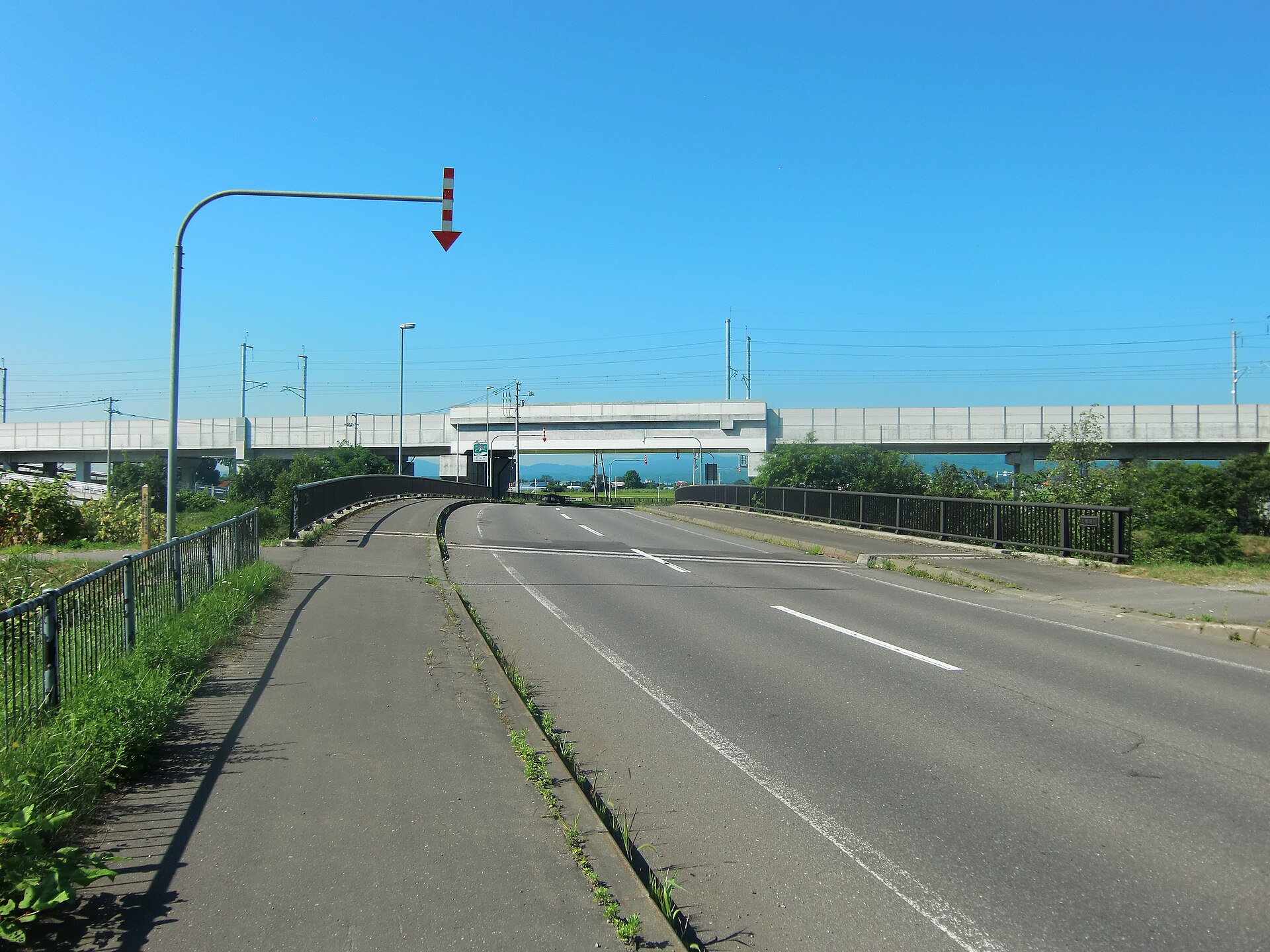
The Hokkaido Shinkansen is the high-speed rail line that connects Shin-Aomori with Shin-Hakodate-Hokuto, and it has been operating since 2016-03-26. What makes it especially memorable is not just the speed, but the fact that it passes through the Seikan Tunnel, the undersea link that lets trains move between Honshu and Hokkaido without a ferry. For rail fans, that alone makes it worth studying. For travelers, it is a practical way to experience one of Japan’s most distinctive long-distance journeys.
And there is a larger story behind it too. The line is still being extended toward Sapporo, but that work is not yet complete. Because of that, the Hokkaido Shinkansen sits in an interesting in-between stage: already useful, already iconic, but still part of a bigger national rail project. If you are looking for a hokkaido shinkansen guide, or even searching for hokkaido shinkansen news, this is the kind of route that rewards a closer look… especially if you enjoy the mix of engineering, geography, and everyday travel that makes Japan’s rail system so fascinating.
How the route works today
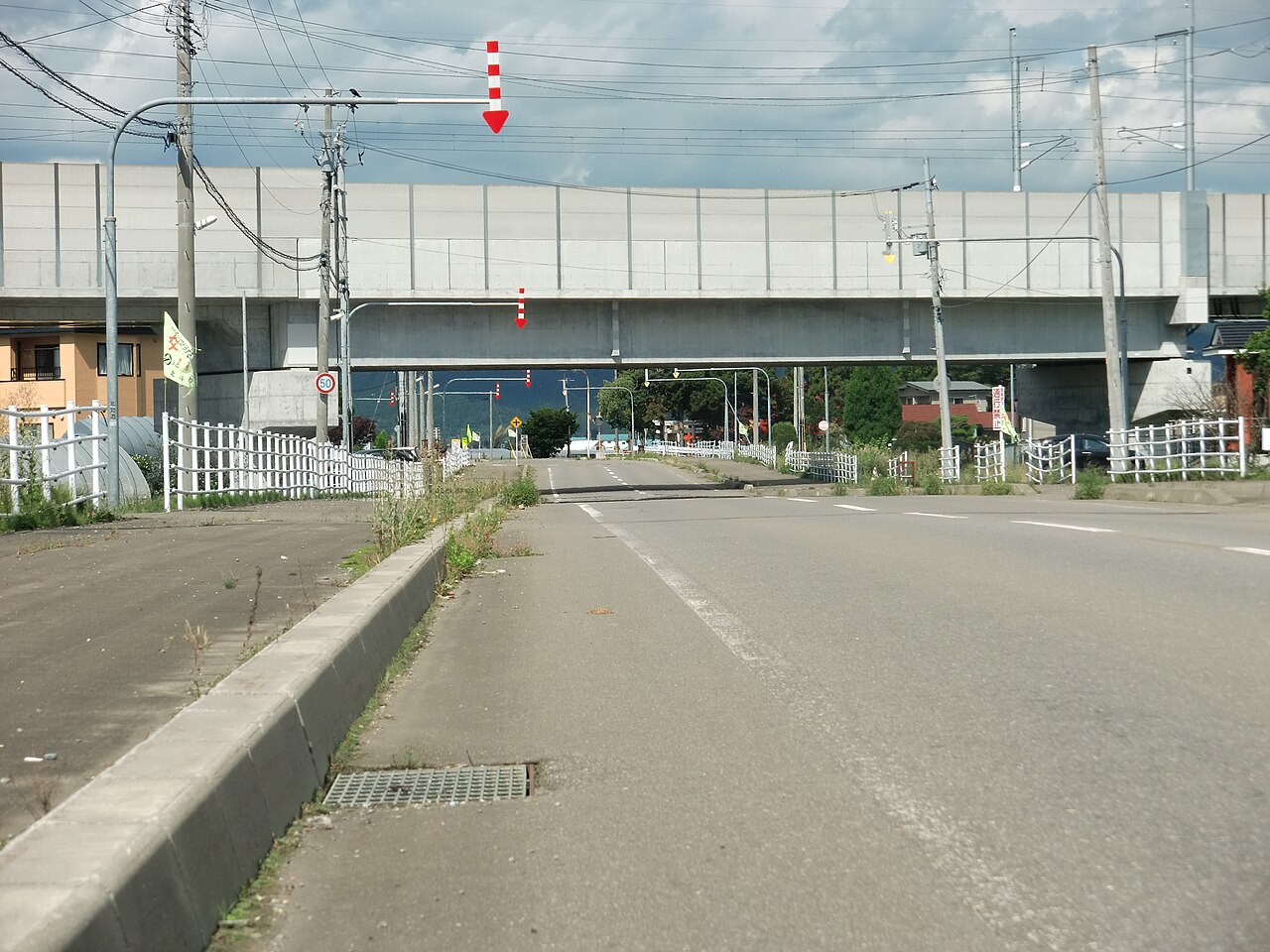
Right now, the line runs between Shin-Aomori and Shin-Hakodate-Hokuto, creating a rail connection that changed how people think about travel to the far north. The train’s operation began on 2016-03-26, making it a relatively young Shinkansen route compared with the older Tokaido or Sanyo lines. Even so, it quickly became important because it opened a smoother overland link between northern Honshu and southern Hokkaido.
For visitors, the route is appealing because it blends speed with a very specific sense of place. You are not just taking a train; you are crossing a geographic threshold. The journey includes the Seikan Tunnel, a section that gives the trip a real sense of drama without needing any special theme-park framing. It is just infrastructure doing something wild. I love that. Very Japan, in the best way.
If you are traveling in the area, the practical side matters too. A 予約 (yoyaku, reservation; booking), meaning a reservation, is often the easiest way to keep the trip smooth, especially if you want a specific seat or travel during busy periods. The stations themselves are built for efficient transfers, and that is where the line feels most usable for visitors: not as a novelty, but as a serious transport option.
Why the Seikan Tunnel matters so much
The Seikan Tunnel is the headline feature many people associate with this route, and for good reason. It allows the train to pass beneath the sea, creating a direct rail connection between the two main islands. That makes the Hokkaido Shinkansen more than just a fast train; it becomes a symbol of how Japan keeps pushing transport engineering into difficult terrain.
That engineering challenge is also part of why this line is so expensive to build and maintain. Tunnel construction, mountainous terrain, winter operations, snow protection, and upkeep in areas with sparse traffic all add pressure to the system. In other words, this is not an easy line to run. It exists because Japan chose to make the difficult route work. That, to me, is part of the appeal.
For readers interested in the broader rail context, there are good reasons the line often appears in discussions about regional development and transport economics. If you want another angle on the line’s place in national rail planning, you can read more in this piece on Hokkaido Shinkansen: Von Iwate bis nach Hokkaido.
The extension toward Sapporo
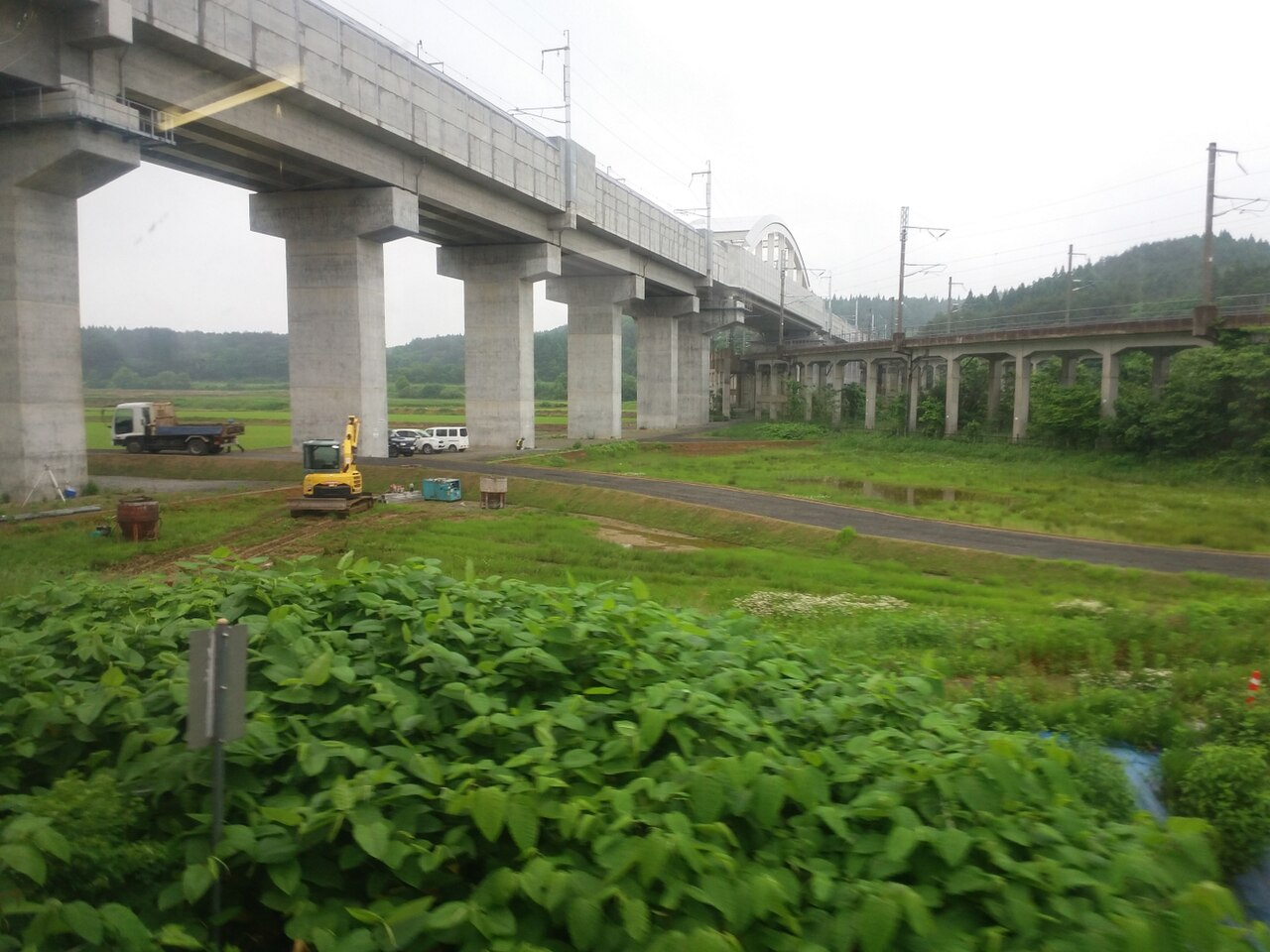
The next major chapter for the line is the extension toward Sapporo, but that project is still incomplete. The goal is straightforward enough: shorten travel times between Tokyo and Sapporo and make the northbound rail link even more useful. On paper, that sounds ideal. In practice, the project has become a serious debate over cost, value, and long-term demand.
Japan’s Ministry of Finance has recently questioned the economic viability of extending the line to Sapporo, and it regards the project’s cost-benefit outlook as negative. That is a significant warning sign, and it shows how infrastructure decisions are rarely just about engineering. They are about budgets, ridership expectations, geography, and whether a massive public works project will truly pay off over time.
This is where the line becomes a useful topic for anyone following hokkaido shinkansen news. The rail story is not only about what is already open; it is also about what kind of future Japan wants for its northern transport network. And if you have been trying to make sense of those discussions, the economic side is worth reading alongside the route itself. There is a deeper explanation in Warum die Hokkaido Shinkansen weiter wirtschaftlich kämpft.
What makes this route special for travelers
For travelers, the Hokkaido Shinkansen matters because it turns a long northbound journey into something efficient and memorable. It is fast, but not in a bland way. The line moves through a landscape and a set of engineering constraints that make the ride feel purposeful. You get speed, yes, but also context.
If you are the kind of person who likes noticing how Japan handles difficult places, this is a very satisfying route. The snow-related maintenance issues, the long tunnel sections, and the low-density regions along parts of the corridor all shape how the line operates. The train is not just gliding through a convenient corridor; it is doing real work in a challenging environment. That makes it feel grounded, even as it belongs to the most advanced rail system in the country.
- It connects Shin-Aomori and Shin-Hakodate-Hokuto.
- It has been in service since 2016-03-26.
- It passes through the Seikan Tunnel, linking Honshu and Hokkaido.
- It is still being extended toward Sapporo, but that extension is unfinished.
- Its future is shaped by both engineering difficulty and financial debate.
Why it is useful for Japan learners and rail fans
There is also a language angle here, which is one reason the route appears so often in searches like hokkaido shinkansen kanji and hokkaido shinkansen japanisch lernen. Rail vocabulary is a practical way into everyday Japanese, because stations, tickets, route names, and operational terms come up constantly when you travel. Even the route name itself is a nice example of how transport language in Japan becomes part of the travel experience.
For learners, the Hokkaido Shinkansen is useful because it sits at the intersection of maps, tickets, announcements, and destination planning. You are not just memorizing a term; you are learning how people move through Japan. And honestly, that kind of vocabulary sticks much better than isolated word lists. It has context, and context helps.
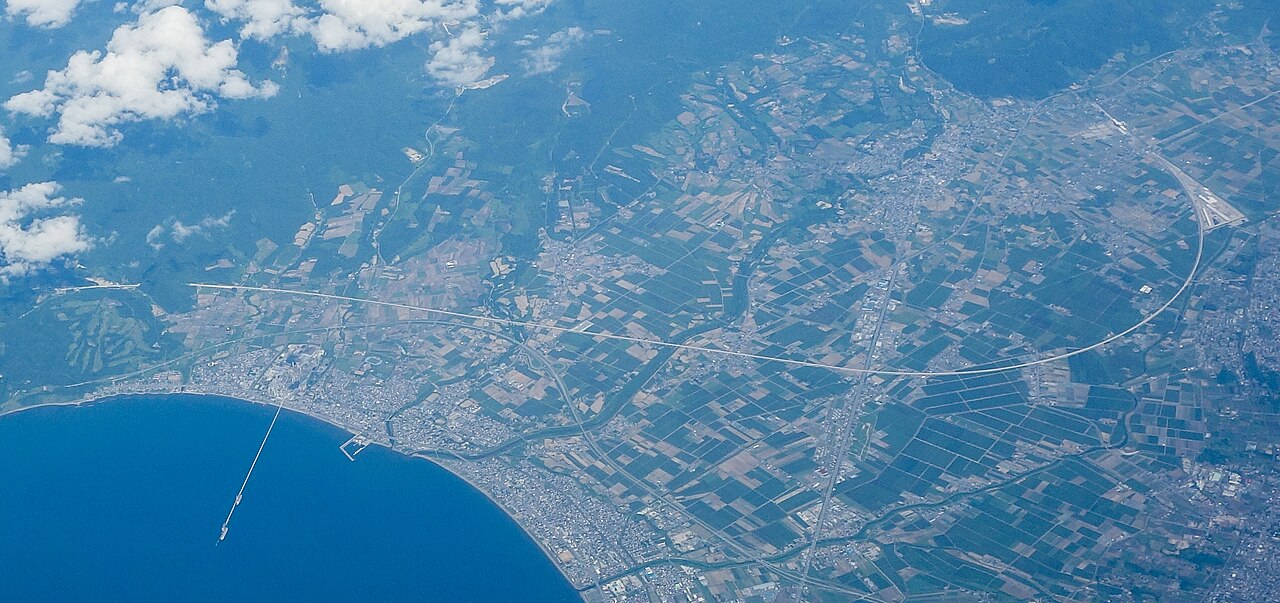
If you are planning to experience the line in Japan, think of it as both a transit option and a story you can trace across the map. Start with the current route, understand the Seikan Tunnel crossing, and then keep an eye on the extension debate. That way, the train becomes more than a ride. It becomes a small window into how Japan builds, maintains, and argues over big infrastructure.
And that is what makes the Hokkaido Shinkansen so compelling to me. It is fast, yes. But it is also complicated, ambitious, and very human in the way all big projects are. You will eventually find your own Japan… and sometimes it arrives at the station right on time.
Frequently Asked Questions
When did the Hokkaido Shinkansen start operating?
It began operating on 2016-03-26.
Which cities does the Hokkaido Shinkansen connect right now?
The current service connects Shin-Aomori with Shin-Hakodate-Hokuto.
Does the Hokkaido Shinkansen go through the Seikan Tunnel?
Yes, the line passes through the Seikan Tunnel to link Honshu and Hokkaido.
Is the line already finished all the way to Sapporo?
No. The extension toward Sapporo is still not complete.
Why is the Hokkaido Shinkansen expensive to build and maintain?
The main reasons are tunnel building, mountainous terrain, winter operations, snow protection, and maintenance in sparse-traffic areas.

