Overview
漢字 (kanji, Chinese characters used in Japanese writing) ICE is a dessert concept built around a simple idea: turn the shape of a kanji character into the ice cream itself. Instead of a plain scoop with a character printed on the surface, the whole product is molded into the character form, so the shape stays readable and distinctive for longer. That is a big part of why it draws attention online and in person.
The product was created by Kabushiki-gaisha KANJI JAPAN, a company focused on kanji-themed goods. It uses a patented manufacturing technique licensed from FULLLIFE, and the result is a solid, flavored ice cream that resists melting for more than 30 minutes at room temperature. The concept later gained wider notice after a Yahoo News Japan report, and it has since been discussed as both a dessert and a playful encounter with Japanese writing.
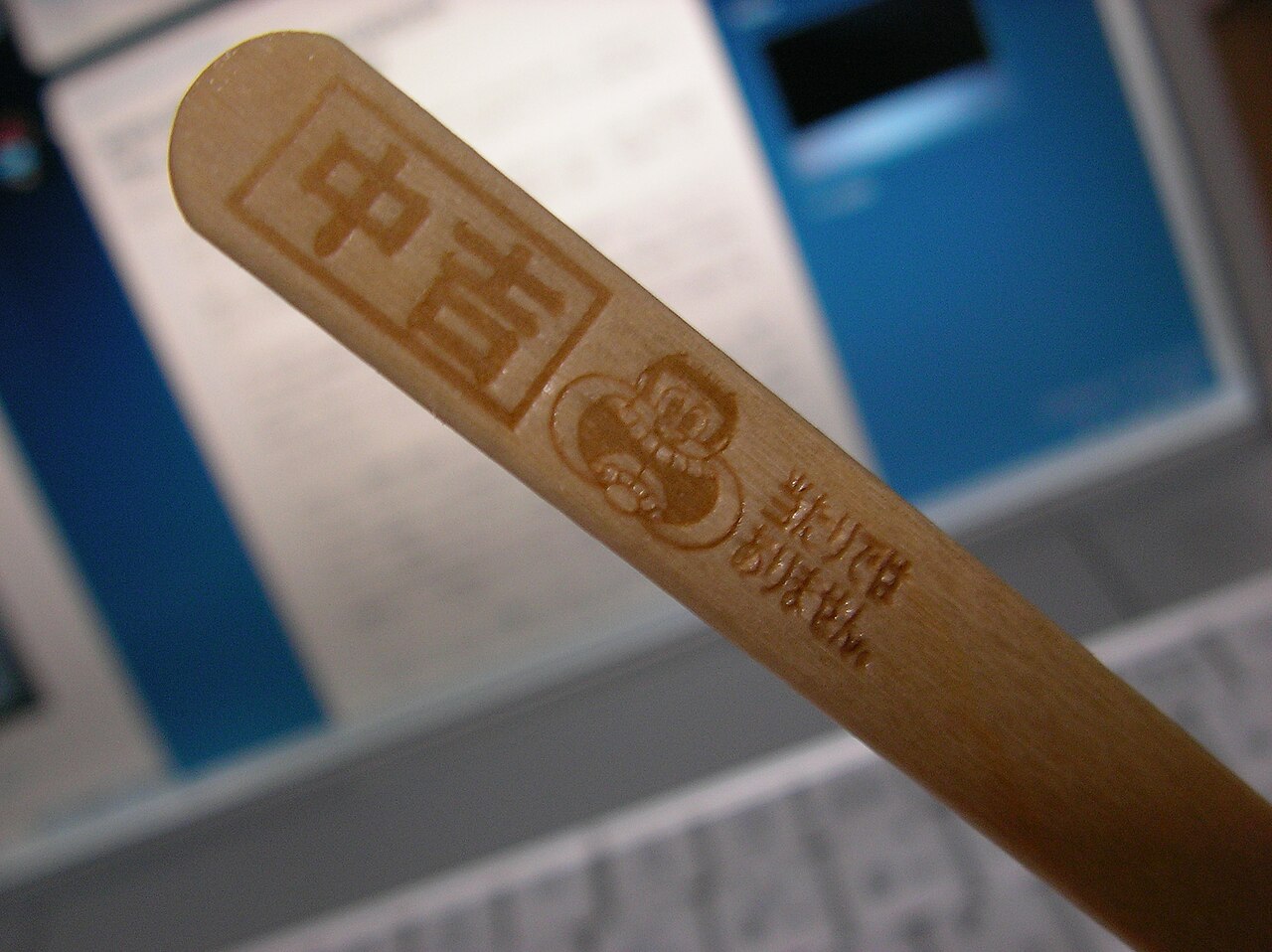
For readers interested in food culture and language, KANJI ICE sits in a useful middle ground. It is a souvenir-style item, a summer snack, and a conversation piece all at once. The concept has also been described as a prompt for learners, since the shape of the dessert itself makes people look more closely at the kanji form. If you are exploring food-led cultural items in Japan, this is a neat example of how design and eating can overlap. For a related look at the same visual trend, see KANJI ICE coverage and the Kamakura-focused follow-up on kanji dessert meets typo art.
How the dessert is made and why the shape matters
The key feature is the mold. KANJI ICE is formed directly into kanji character shapes such as Kamakura, Oonosato, or Hoshoryu, depending on the version or presentation. That is different from ordinary ice cream with a decorative print. Here, the silhouette itself carries the message. The product is meant to be recognized at a glance, even before the first bite.
Another practical point is stability. The patented process, which also uses strawberry polyphenols to help stabilize the ice, lets KANJI ICE keep its shape longer than standard ice cream. In plain terms, it stays neat on the plate or in the hand for a while. It is described as remaining stable on warm days, though it still eventually melts. That matters for a snack meant to be photographed, carried, and eaten at a casual pace.
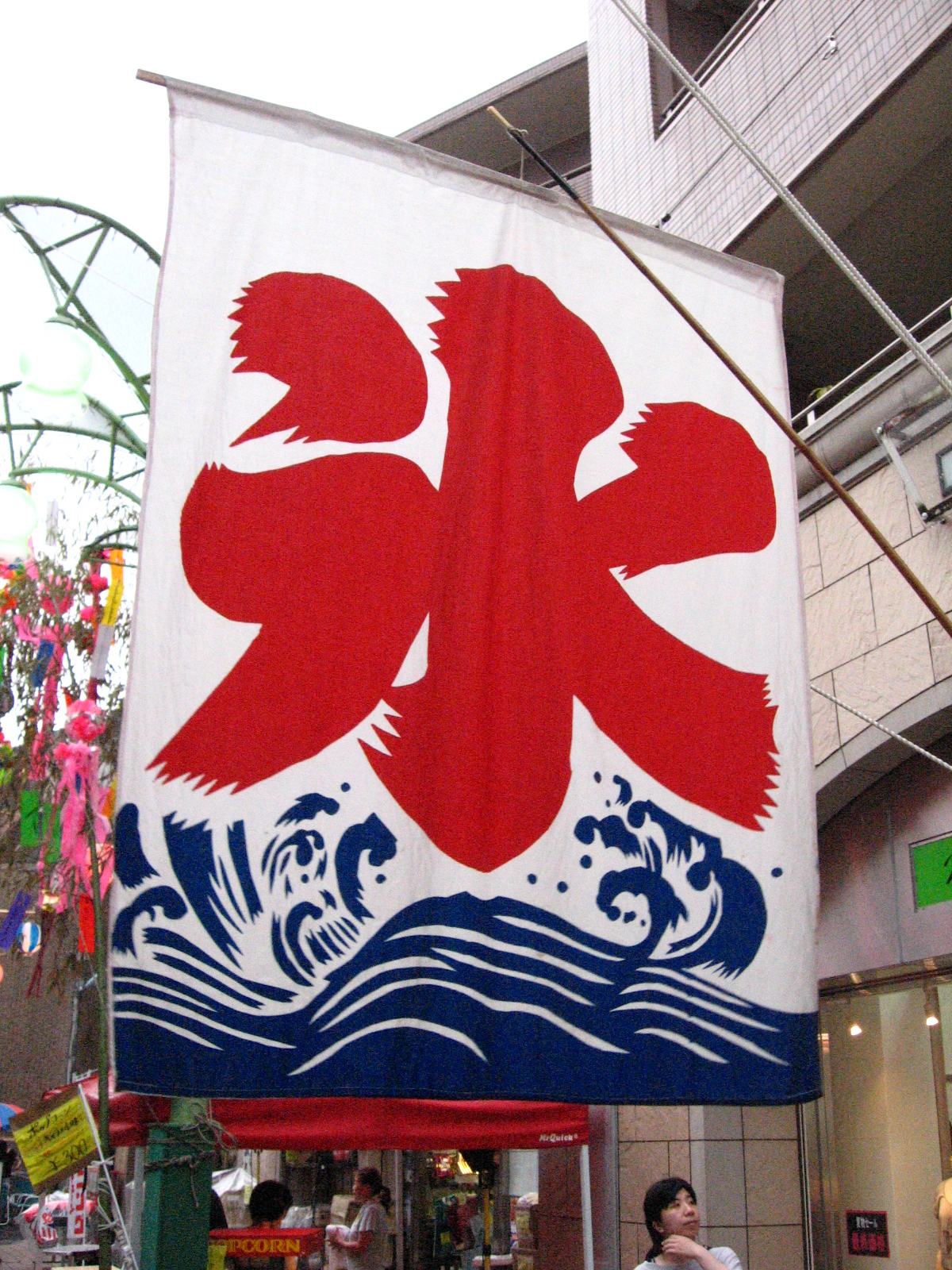
For food terms, two Japanese words are especially useful here. 予約 (yoyaku, reservation) means a reservation, and it can matter if a shop sells limited seasonal items. お土産 (omiyage, souvenir; a gift food brought back from a trip) means a souvenir food, which fits KANJI ICE well because the product is designed to be shared, shown, and remembered. 夏好み (natsu-gonomi, something especially suited to summer; a summer favorite), a summer snack or item people seek out in hot weather, also fits the way it is marketed in Kamakura. And for readers learning language through food, kanji no 形 (katachi, shape; form), or character-shaped form, is exactly the sort of phrase that connects the dessert to the script it references.
Why Kamakura is the right setting
KANJI ICE is presented as a dessert concept in Kamakura, Kanagawa Prefecture, and that location is part of the appeal. Kamakura is a historic seaside city, but it is also a popular day-trip destination from Tokyo. That makes it a natural place for a visually memorable food item that works well for visitors looking for a local treat with a clear story behind it.
The setting matters because Kamakura already supports the kind of food culture that travels well through social media and word of mouth. A product like KANJI ICE benefits from being easy to explain, easy to photograph, and clearly tied to place. It is not trying to be a complicated dessert. It is trying to be a distinctive one.
In practical terms, if you want to experience KANJI ICE in Japan, Kamakura is the place to look first. A local shop sells it in three varieties, which gives visitors a bit of choice without turning the experience into a large menu decision. That makes it easy to treat as a stop during a day trip, especially if you are already exploring the city’s food stalls, shopping streets, and sightseeing routes.
What makes it interesting for Japanese learners
KANJI ICE has also been discussed as something that can gently support Japanese learners. That is not because it teaches grammar on its own. It is because it makes people look at kanji in a new way. When a character becomes a dessert shape, the visual form becomes harder to ignore. For beginners, that can make the script feel less abstract. For more advanced learners, it can be a small reminder of how flexible and culturally present kanji are in daily life.
This is where the phrase kanji ice japanisch lernen makes sense as a search intent. People are not just looking for a dessert. They are looking for a cultural object that helps them remember a writing system, connect with food vocabulary, or notice how language appears in public life. KANJI ICE does that without turning the experience into a lesson.
That said, the learning angle should stay grounded. KANJI ICE is first and foremost a food product. Its value for learners comes from exposure, not instruction. If you are studying Japanese, it can be useful as a mnemonic: a kanji-shaped sweet in a place known for day trips and souvenir foods is easier to recall than a generic treat.
What to expect when you try it
If you find KANJI ICE in Kamakura, expect a novelty dessert with a clear visual identity and a practical selling point. It is meant to hold its form longer than ordinary ice cream, but it is still a frozen dessert, so you should eat it without delay. Like many seasonal items in Japan, it is best experienced fresh and in context. That means buying it when you are ready to eat, not after a long detour.
- Look for the kanji-shaped form, not just a printed topping.
- Choose one of the available varieties if the shop offers several options.
- Eat it soon after purchase so the shape stays crisp.
- Treat it as a local snack and a photo-friendly souvenir food.
For visitors, the appeal is straightforward. You get a dessert that is easy to recognize, tied to a real place, and rooted in a playful use of Japanese writing. That combination is rare enough to stand out, but simple enough to understand at once.
Related food-culture ideas to compare it with
KANJI ICE belongs to a wider category of Japanese foods that are designed to be seen as much as they are eaten. Some items rely on local shape, some on regional identity, and some on a clever visual twist. What makes this one unusual is that the writing system itself becomes the mold. That gives it a stronger language connection than a standard themed sweet.
If you are interested in the broader conversation around edible typography and design-led desserts, the KANJI ICE story is a good starting point. It shows how a food can work as a cultural object without losing its basic function as a snack. It is still ice cream. It just happens to carry kanji in its structure, not only in its decoration.
And for readers planning a visit, the main advice is simple: go to Kamakura, look for the local shop selling it, and enjoy it while it still holds its shape. That is the whole point of the product.
Frequently Asked Questions
What is KANJI ICE?
KANJI ICE is solid, flavored ice cream molded directly into the shape of a kanji character. It is not a plain ice product with writing on top.
Where can I try KANJI ICE in Japan?
It is presented as a dessert concept in Kamakura, Kanagawa Prefecture. A local shop there sells it in three varieties.
Why does KANJI ICE keep its shape longer?
It uses a patented manufacturing technique and strawberry polyphenols to help stabilize the ice. It can resist melting for over 30 minutes at room temperature, though it still eventually melts.
Is KANJI ICE useful for Japanese learners?
It can be a helpful visual prompt because the dessert itself is shaped like kanji. The learning value comes from exposure to the character form, not from formal instruction.
Why is Kamakura a good place for this dessert?
Kamakura is a historic seaside city and a popular day-trip destination from Tokyo. That makes it a good fit for a souvenir-style snack with strong visual appeal.