
Overview
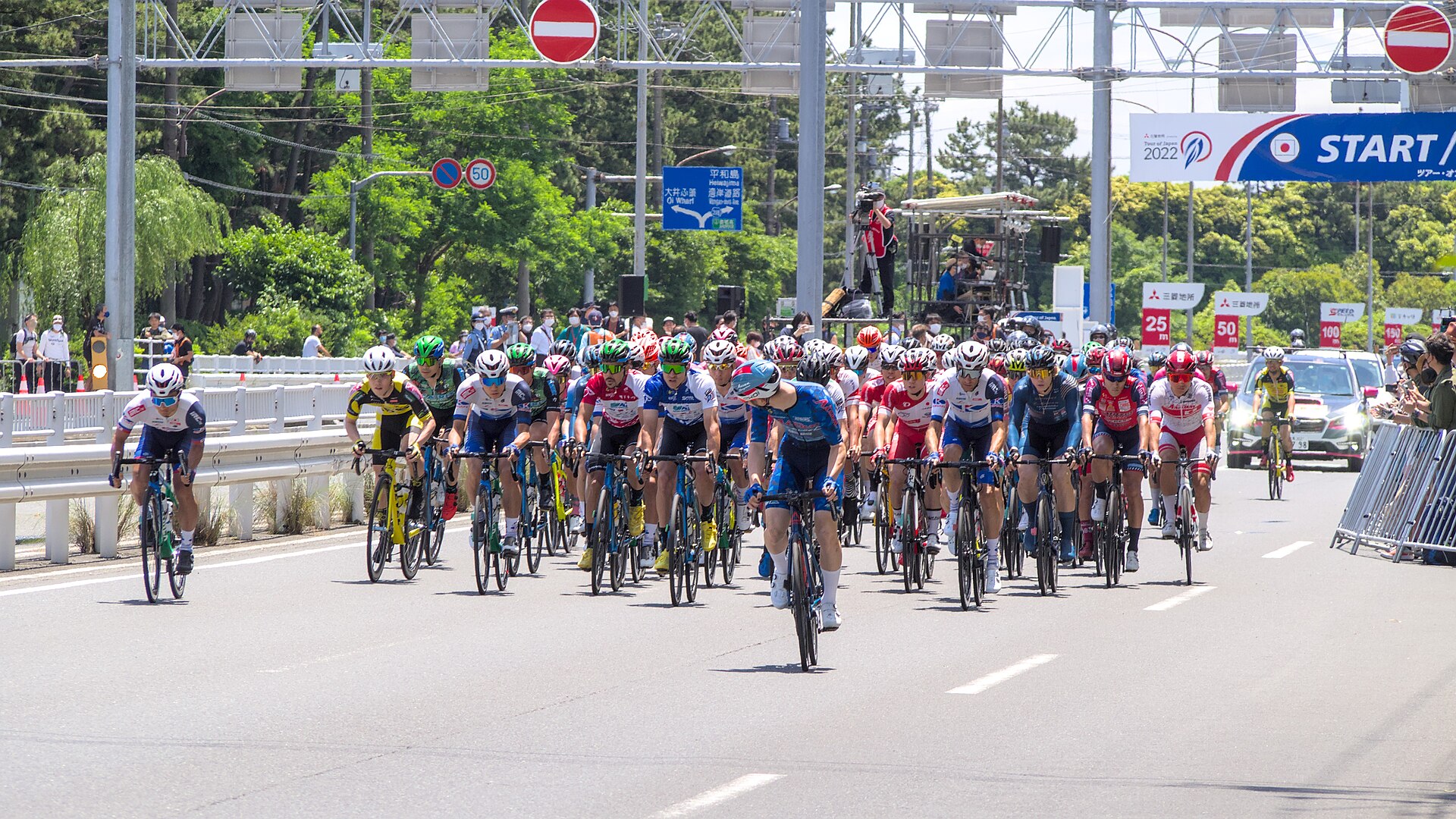
The Tour of Japan is best understood as a stage race that rewards patience. Day by day, the peloton moves across different terrain, and the race gradually reveals its shape through sprints, breakaways, team tactics, and the long pressure of the general classification. In that sense, it is less like a single contest than a moving conversation between riders, routes, and weather.
For readers approaching it for the first time, the easiest entry point is to watch for the queen stage, the mountain day that often decides the contest or at least redrafts it in a decisive way. In 2026, the Fuji queen stage near Mount Fuji showed exactly why these days matter: Matteo Fabbro won on the climb, and the result triggered a leader change in the race. That one stage captured the Tour of Japan’s basic logic. A single hard day can redraw the whole race.
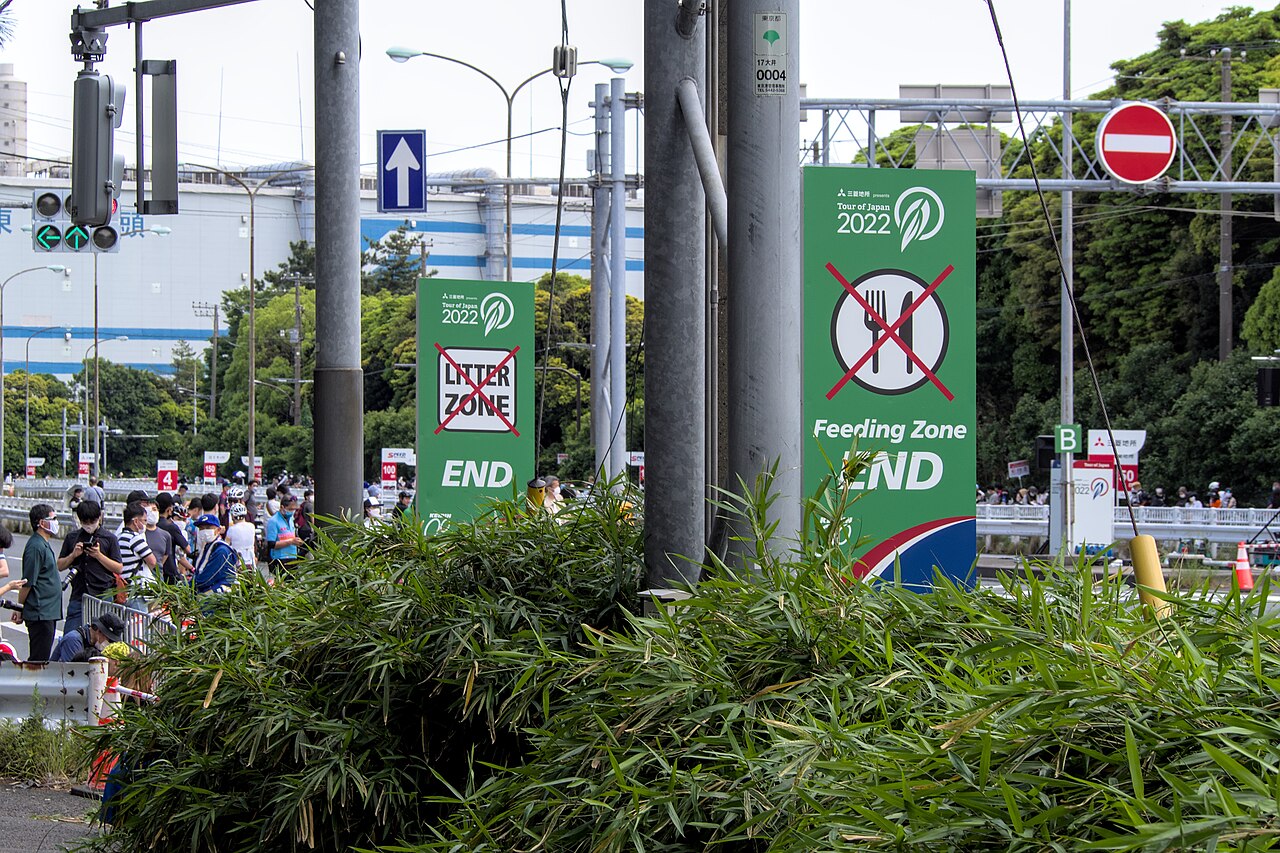
For anyone trying to follow the event more closely, I find it helps to learn a few basic terms. The peloton is the main group of riders, the breakaway is the smaller group that attacks early, and the general classification, often shortened to GC, is the overall ranking across stages. A 駒位 (komi, a small time gap or separation in a race), in cycling usage here as a small time gap or separation in the race narrative, may be less important than the visible rhythm of climbs and descents, but the broader lesson is the same: stage racing is cumulative, and every minute matters. The Japanese term 山 (yama, mountain) means mountain, and in coverage of this race it effectively points to the terrain that often decides the day. Another useful word is ステージ (suteji, stage of a race or event), the borrowed term for stage, because the race is built from distinct chapters rather than one continuous finish.
Why the mountain stages shape the story
The Tour of Japan has the kind of course design that gives climbers and all-rounders room to matter. Flat stages can reward fast finishes and team organization, but the mountain days are where the race often becomes legible to fans. A queen stage, or kingu sutēji in the borrowed-rhythm of race talk, usually concentrates the pressure into one difficult ascent or a chain of climbs. On such days, team work, pacing, and recovery are as visible as raw strength.
The Fuji stage in 2026 is a good example of why this race keeps drawing attention. The route near Fuji Speedway and Mount Fuji combined symbolic weight with sporting consequence. When Fabbro took the stage win, the lead in the race changed hands, which is exactly the kind of result that makes a mountain finish feel like more than scenery. It becomes a turning point. For fans who follow cycling as a narrative, those are the stages to mark first.
This is also where the race connects with a larger Japanese appreciation for careful effort. The 職人 (shokunin, craftsperson; artisan with disciplined skill) idea, meaning a craftsperson’s disciplined devotion to process, fits the way a strong stage race is often won: not by a single flourish, but by repeated, exacting work across several days. That is part of the appeal of the Tour of Japan. It rewards attention to structure.
How to read the race day by day
A newcomer does not need to know every rider to enjoy the event. It is enough to watch how the race changes from stage to stage. Early days often establish form, reveal sprint speed, and show which teams are controlling the field. Mid-race stages can invite breakaways, where smaller groups attack and hope the peloton does not bring them back. Later mountain stages usually clarify who still has the legs to contend for the overall lead.
When I read race coverage, I look for three things: the stage winner, the time gaps, and whether the leader’s jersey changes shoulders. Those details tell the real story better than a results table alone. If a rider wins a demanding summit finish but does not gain enough time, the stage can still matter for confidence and team morale. If the yellow leader changes hands, the whole tone of the race shifts.
- Stage winner: the rider who takes the day’s finish.
- GC leader: the rider leading the overall classification.
- Breakaway: a small group that escapes the main field.
- Queen stage: the hardest or most decisive stage.
Related races and what to read next
For readers who want more context, the Tour of Japan sits comfortably alongside other road races where climbing and race management matter as much as speed. Following major stage races elsewhere can help train the eye for what changes in Japan: how teams protect a leader, how mountain finishes compress the field, and how a single result can reshape the standings. A useful way to build that habit is to compare stage profiles and post-race reports, not just podium photos.
News coverage of the race often becomes more illuminating when a mountain stage produces a surprise or a new leader. One example is the Tour of Japan 2026 Fuji stage report, which shows how a single day at Mount Fuji can alter the race’s direction. For readers who want to deepen their Tour of Japan japanisch lernen habit, the race also offers a practical vocabulary bridge between sport reporting and everyday Japanese media. A Tour of Japan kanji note may be especially useful when reading names of places, mountains, and classifications in Japanese coverage.
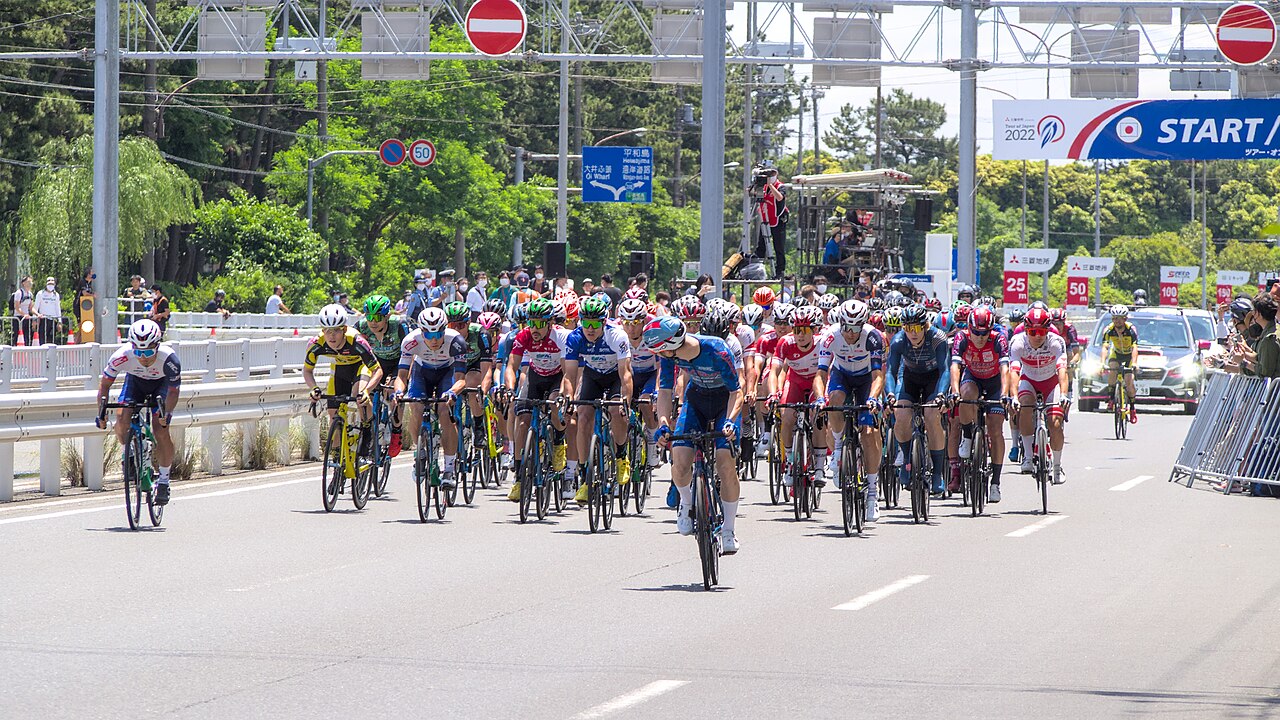
To learn more, I recommend following stage reports, course previews, and final general classification summaries together. That combination shows not only who won, but how the race was built.
How to start following the Tour of Japan
The simplest way to get started is to treat the event as a story told in stages. Read the preview for the route, watch for the queen stage, and then check how the standings change after the decisive climbs. If a rider like Fabbro wins on a hard mountain day and the leader changes, that is the race speaking plainly. Over time, the pattern becomes familiar: terrain, tactics, fatigue, and timing, all arranged in a narrow span of days.
For anyone interested in cycling and language together, the Tour of Japan can also be a useful entry point into sports-related Japanese reading. Results pages, race summaries, and route descriptions provide a manageable amount of specialized vocabulary. It is a quiet, practical way to learn how Japanese sports coverage names the parts of a stage race without feeling like a lesson. And so it became a plan: follow the race, learn the terms, and let the route itself teach the structure.
Frequently Asked Questions
What kind of event is the Tour of Japan?
It is a recurring road cycling stage race built from multiple days, with results shaped by sprints, breakaways, and mountain stages.
Why is the queen stage so important?
The queen stage is usually the hardest day of the race, and it often decides the overall standings or triggers a change in the lead.
What happened in the 2026 Fuji stage?
Matteo Fabbro won the Fuji queen stage near Mount Fuji, and that result caused a leader change in the race.
What is the best way to follow the Tour of Japan?
Follow the route preview, watch the mountain stages closely, and compare stage winners with the general classification after each day.
Can the Tour of Japan help with Japanese reading practice?
Yes. Race reports and route summaries are useful for learning sports vocabulary, including place names, classifications, and stage-related terms.
