
Overview
When people talk about Japan in May 2027, they are usually talking about one big thing first: Golden Week. This holiday stretch runs roughly from April 29 to May 5 and turns into one of the busiest travel periods in the country, with trains, flights, hotels, and popular destinations all feeling the pressure at once. And then, right after that rush, the mood changes. The weeks that follow can be some of the best-value times of the year, especially if you are willing to travel a little off peak and keep an eye on availability.
That contrast is what makes May so interesting. It is not just a holiday season, but a practical lesson in how Japan moves. Families, couples, solo travelers, and business-like weekend trippers all pile into the same narrow window, and the result is a surge that is visible everywhere, from airport queues to reserved seats on the 新幹線 (shinkansen, high-speed bullet train), the long-distance bullet train network that connects major cities. In one year covered by the source material, JR reported 14.76 million Golden Week travelers on Shinkansen and Limited Express services alone, and travel was above the 2025 level. That gives you a very clear picture of how intense this period can be.

Before booking, it helps to understand one very Japanese travel word you will keep running into: 予約 (yoyaku, reservation), meaning a reservation. During Golden Week, yoyaku matters more than usual, because transport and lodging can disappear quickly. Another useful term is shinkansen, the high-speed rail system, which is often the backbone of intercity movement during holiday periods. You will also hear about おもてなし (omotenashi, hospitality; attentive service), the idea of attentive hospitality, which becomes especially noticeable when staff are handling huge crowds with surprising calm. And if you are checking schedules or signs, kaisha eki and city station layouts may matter less than simply knowing that the whole system is working under holiday pressure, so patience helps a lot (in the best possible way).
Why Golden Week shapes the whole month
Golden Week is more than a long weekend. It is a cluster of national holidays that creates one of the strongest travel surges of the year. That means demand does not just rise a little; it often jumps sharply across transport, accommodations, and sightseeing spots. Flights into Japan, flights within Japan, and many popular train routes all see the same basic problem: supply and demand diverge fast, and prices follow.
The practical result is simple. If you arrive in Japan during the holiday stretch, expect crowds and higher prices. If you travel just after it, you may find better value, more breathing room, and a less stressful pace. That is why many travelers build their whole May itinerary around the holiday calendar rather than around weather alone. Japan in May can be lovely, but the timing changes everything.
What the travel numbers tell us
The confirmed figures from the source material are useful because they show not just that Golden Week is busy, but how broad the movement is. JR recorded 14.76 million travelers during Golden Week across Shinkansen and Limited Express services, and the total was above the previous year’s level. That is a major signal for anyone planning rail-based travel. It suggests that reserve early, expect popular departures to fill, and be ready for packed platforms and sold-out seats on high-demand routes.
There is also a clear air-travel picture. About 570,000 Japanese were expected to travel abroad during the same holiday period in the year covered by the source. That number matters because it shows that even with a weak yen, outbound travel remains attractive. The yen’s lower value reduces overseas purchasing power, but it does not stop people from going. Instead, travelers adapt, choosing shorter trips, changing destinations, or looking for better deals.
And yes, younger travelers are a noticeable part of that story. They are increasingly booking Golden Week trips, often taking shorter hops to places like Seoul or Taipei, or longer trips to Southeast Asia. So if you are watching travel trends, Golden Week is a neat snapshot of how Japanese travel behavior is changing without losing its holiday rhythm.
How people are traveling and why it matters
Golden Week is not one kind of trip. It is a mix. Families often plan classic domestic movement, couples may build in a short getaway, and solo travelers use the break for a more personal trip. Package tours still have a strong role, but low-cost carriers are part of the picture too, especially for people who want to control costs while still leaving the country. That mix is one reason the holiday period stays so dynamic.

Airlines and tour operators have also responded to the weak yen by offering deals and flexible payment plans. That does not erase the holiday premium, but it gives travelers more ways to make a plan work. If you are trying to decide whether to go abroad or stay inside Japan, the real question is not just price, but timing, flexibility, and how much stress you want to absorb at the airport or station.
There is another practical side to this: reports from travelers during Golden Week have described short-notice flight cancellations, long airport waits, and slow refund or customer-service processes. That does not mean every trip goes badly, of course, but it is a reminder that holiday travel in Japan can become fragile when weather, staffing, or load factors get in the way. Building in extra time and keeping plans flexible is just common sense.
Where to experience the season in Japan
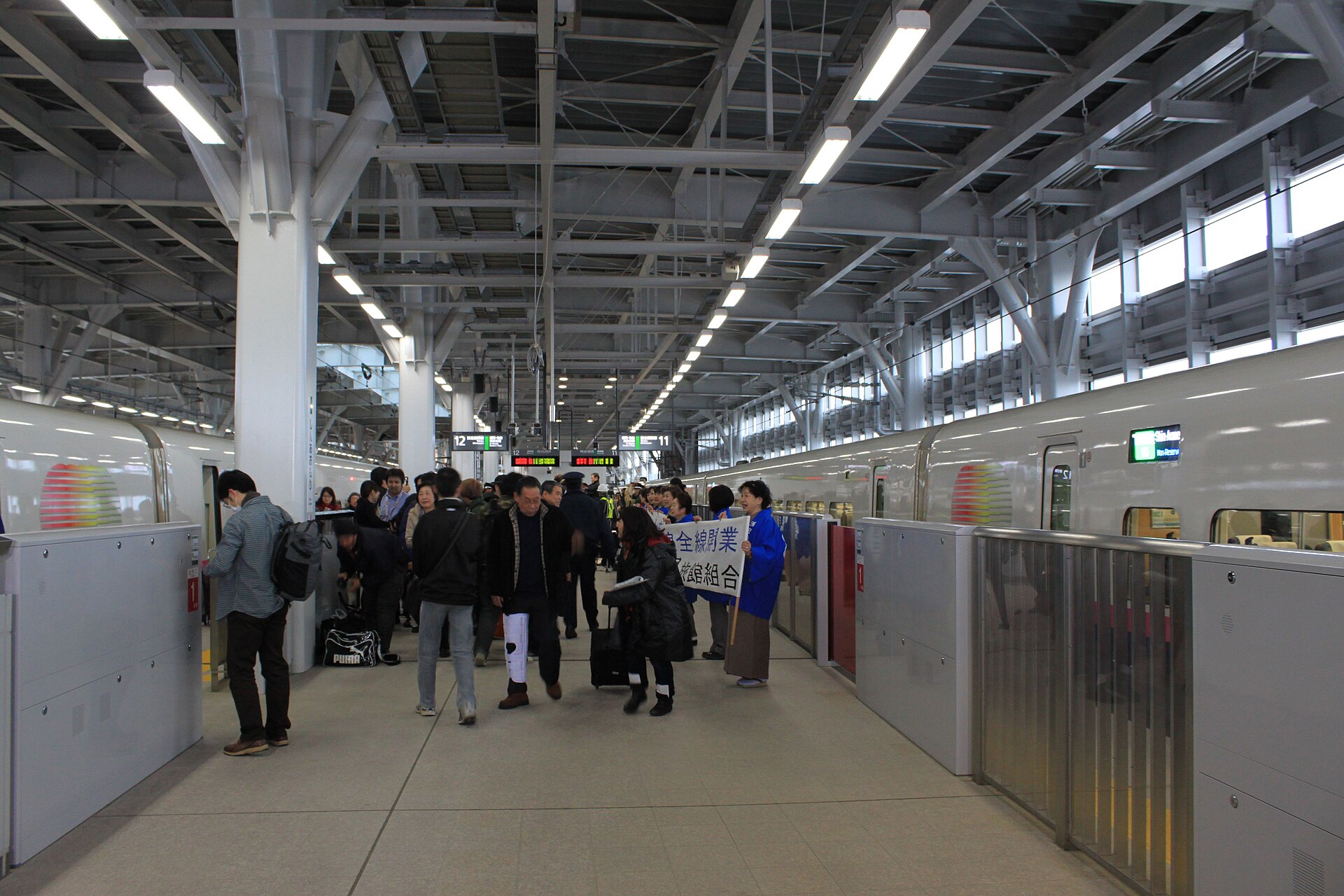
If you want to feel Golden Week rather than just read about it, the best place is often the transport network itself. Major stations, airport terminals, and intercity rail hubs are where the holiday pulse becomes visible. The Shinkansen platforms are especially revealing, because they show just how central rail remains to Japanese mobility. Limited Express services tell a similar story on regional routes, linking cities, resort areas, and smaller destinations that would otherwise be harder to reach.
For a quieter experience, the smarter move is often to wait until after the holiday rush and travel to lesser-known regions. Once the crowds thin out, Japan’s off the beaten path places become much easier to enjoy, whether that means a coastal town, a mountain onsen area, or a regional city that normally gets overshadowed by Tokyo, Kyoto, or Osaka. That is where May starts to feel like a hidden gem month rather than a holiday scramble.
If you are planning a trip from abroad, this is also a good moment to think about 海外 (kaigai, overseas; abroad), meaning overseas travel, and how it compares with staying domestic. Golden Week tends to magnify every decision. Choose international travel and you may face airport congestion; choose domestic travel and you may face rail congestion. Either way, booking early is the safe move, and the more popular the route, the more important that yoyaku becomes.
Finding the best-value weeks after Golden Week
Once Golden Week ends, the atmosphere changes quickly. Crowds ease, prices can become more forgiving, and travel planning starts to feel a little more human again. These post-holiday weeks are often the best-value part of May because they sit in the gap between peak movement and full summer demand. That is especially true for travelers who can avoid weekend departures and keep an eye on flexible dates.
This is where the practical side of Japan in May 2027 really pays off. Instead of fighting the holiday wave, you can ride just behind it. Flights and trains may still be active, but the crushing pressure of the holiday window is gone. For many travelers, that means a better balance of cost, comfort, and spontaneity. And that is often when Japan feels easiest to explore.
If you are looking for a more relaxed way to experience the month, consider using the holiday period as a benchmark rather than a target. Watch the prices, note the congestion, then plan for the quieter stretch that follows. That is a very Japanese style of travel wisdom, really: read the rhythm, respect the timing, and move when the system is calmer. It saves money, energy, and a fair bit of frustration.

And if you are also studying language while planning, May can be a useful month for a small learning goal. Japan in May 2027 guide searches often overlap with practical trip planning, and even something like Japan in May 2027 kanji or Japan in May 2027 japanisch lernen can be part of your prep if you want to read station signs, reservation details, and travel notices a little more confidently. Tiny gains add up. They really do.
Related timing tips for a smoother trip
- Book transport and lodging as early as possible if your dates touch Golden Week.
- Expect Shinkansen, Limited Express, airports, and major city routes to be busiest during the holiday stretch.
- Consider traveling after Golden Week if your goal is better value and fewer crowds.
- Keep plans flexible if you are flying, since delays, cancellations, and slow refunds can happen during peak demand.
- Use the month as a chance to compare holiday pricing with the calmer weeks that follow.
May in Japan rewards patience. The holiday rush is real, the costs can climb fast, and the lines can test anyone’s mood. But beyond that, the month also opens a quieter side of travel, one that is easier to enjoy if you time it well. And that, honestly, is the fun of planning here… you learn to move with the rhythm of the country, not just through it.
And if you keep at it, you will eventually find your own Japan in May 2027 — maybe in the busiest station in the country, maybe in a quiet regional town after the crowds have gone home. Either way, there is something worth seeing.
Frequently Asked Questions
When does Golden Week in Japan usually happen?
Golden Week runs roughly from April 29 to May 5, and it is one of the biggest travel periods of the year.
Why is travel so expensive during Golden Week?
Because demand rises sharply while available flights, trains, and rooms do not keep pace, prices tend to climb around the holiday period.
Is the Shinkansen very busy during Golden Week?
Yes. JR reported 14.76 million Golden Week travelers on Shinkansen and Limited Express services in the year covered by the source, showing how central rail is during this time.
Are the weeks after Golden Week a better time to visit?
Often yes. After the holiday rush, crowds ease and prices can become more manageable, making those weeks some of the best-value times in May.
Does the weak yen stop Japanese people from traveling abroad?
No. It reduces overseas purchasing power, but the source material shows that outbound travel remains strong, with airlines and tour operators offering deals and flexible payment plans.

