
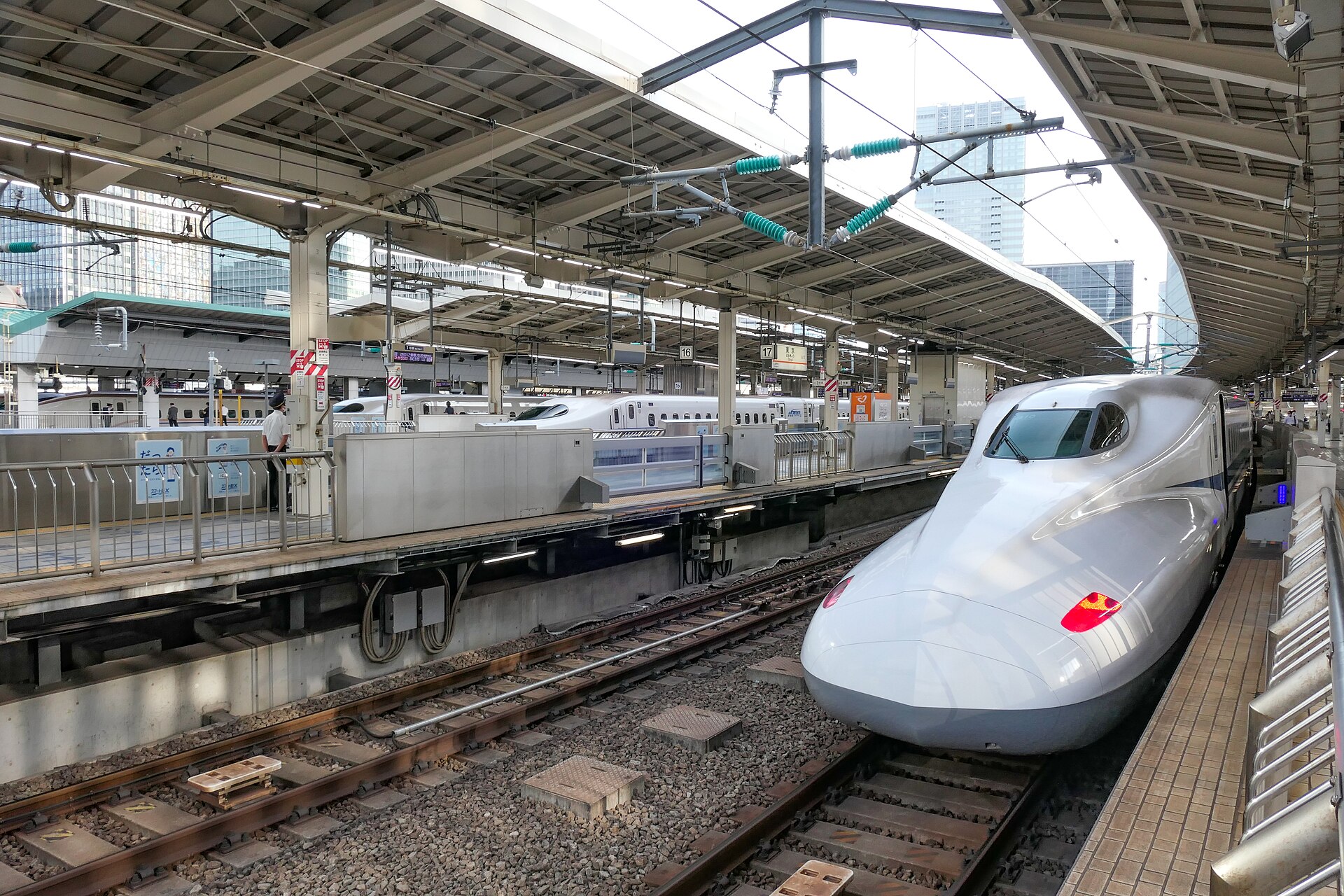
Overview
Amazon Japan’s 新幹線 (shinkansen, bullet train; high-speed rail) parcel program is a logistics experiment that uses JR East’s high-speed rail network to move selected goods faster than road transport. The project began in March 2026 on the Tohoku Shinkansen route between Tokyo and Shin-Aomori, and it now uses three shinkansen routes to carry parcels more quickly across the network. It is not meant to replace trucks entirely, which is an important detail, because the system works best as a complement to existing freight methods rather than a full overhaul.
What makes this interesting is not just the speed. It is the way the program reflects a very Japanese set of strengths: rail precision, tight scheduling, and the kind of operational discipline that makes complex systems feel strangely calm from the outside. In other words, this is not a flashy stunt. It is a practical test of how intermodal delivery can work in a country where rail is deeply woven into daily life. And for anyone researching amazon japan shinkansen delivery, the story is really about the meeting point between consumer convenience and national infrastructure.
If you want to explore the topic further, our related coverage of Amazon Japan Shinkansen Transport Starts in Tokyo and Tohoku gives the broader context behind the rollout, while Amazon Japan Sends Packages on Shinkansen follows the parcel side of the story in more detail.
How the parcel system is set up
The basic idea is simple enough: selected parcels travel on passenger shinkansen services instead of sitting in road traffic. Amazon Japan uses three shinkansen routes for this, which lets certain goods move more quickly and predictably than they would by truck alone. That does not mean every order can hop on a bullet train. The system is selective, and that selectiveness is exactly why it can work. High-speed rail is being used where timing and reliability matter most, not as a universal substitute.
This kind of setup makes a lot of sense in Japan, where logistics often depend on perfect timing and a strong culture of coordination. The word 予約 (yoyaku, reservation; booking), meaning a reservation, is a useful way to think about the planning side here: the system has to be arranged in advance so the right parcels are matched to the right train capacity. And because the network is built around exact departures and arrivals, the whole model relies on the same precision that makes shinkansen travel so famous in the first place.
- Started in March 2026 on the Tohoku Shinkansen between Tokyo and Shin-Aomori
- Uses three shinkansen routes to move parcels faster
- Handles selected goods rather than replacing truck delivery entirely
- Designed as a practical logistics experiment, not a full freight takeover
Why this approach matters
The biggest reason people pay attention to this model is that it may reduce CO2 emissions compared with road transport. That makes it part logistics story, part environmental story, and part infrastructure story. By shifting some delivery volume onto rail, Amazon Japan can take advantage of a transport system that is already highly efficient and tightly managed. It is a small but meaningful example of how existing networks can be used in smarter ways.
And there is something quietly elegant about it. Japan’s transport systems are often discussed in terms of passenger convenience, but this project shows a different layer entirely. The shinkansen is not just for commuters, tourists, or business travelers rushing between cities. It can also be part of a broader supply chain. That is the kind of hidden detail that makes Japan so rewarding to follow… you keep finding new uses for systems you thought you already understood.
For readers interested in Amazon Uses Shinkansen for Faster Deliveries, the key takeaway is that this is less about novelty and more about measurable transport efficiency. The trains are fast, yes, but the real value lies in how consistent and reliable they are.
Where you can see the idea in Japan
If you are thinking about where to experience this in Japan, the answer is not a tourist attraction in the usual sense. You experience it indirectly through the country’s rail infrastructure, especially on major shinkansen corridors like the Tohoku line. The practical side of the story is visible in stations, logistics hubs, and the wider rhythm of intercity transport that keeps Tokyo connected with regions farther north. You will not usually see the parcel handling itself as a visitor, but you can absolutely feel the system around it.
For travelers and Japan enthusiasts, that is part of the charm. Walk through a major station and you are looking at a space where people, parcels, timing, and infrastructure all overlap. The おもてなし (omotenashi, hospitality; attentive service), or hospitality-minded attention to service, extends beyond tourism here and into how the country moves things efficiently and carefully. And if you are planning a trip with a curious eye, watching the shinkansen network in action is one of the best ways to understand why Japan keeps finding clever, offbeat solutions to everyday problems.
Even the language around the topic can be interesting for learners. Search terms like amazon japan shinkansen delivery kanji and amazon japan shinkansen delivery japanisch lernen may bring you to vocabulary about transport, logistics, and rail services, which are useful areas if you enjoy reading Japanese news in the original. It is a neat little bridge between practical news and language study, and honestly, that is my favorite kind of rabbit hole.
Related topics for curious readers
If this story caught your attention, similar topics worth following include Japan’s broader rail logistics experiments, the role of shinkansen infrastructure in modern commerce, and how large platforms adapt delivery systems to regional geography. It is also worth comparing road freight with rail-based movement, because that contrast explains why this program is framed as an experiment rather than a replacement. The real story is not just speed. It is the balance between efficiency, scale, and the limits of each transport mode.
And that balance is very Japanese in a way that is easy to miss at first glance. Big systems here often evolve through careful adjustments instead of dramatic reinvention. So if you keep an eye on stories like this, you start to see the country differently… through tracks, timetables, depots, and all the invisible work that makes daily life move smoothly.
Frequently Asked Questions
When did Amazon Japan start using shinkansen for parcels?
Amazon Japan began moving goods on JR East’s shinkansen network in March 2026, starting with the Tohoku Shinkansen route between Tokyo and Shin-Aomori.
Does the shinkansen parcel program replace trucks?
No. The program is intended to move selected goods faster than road transport, but it does not replace trucks entirely.
How many shinkansen routes are used for this delivery model?
Amazon Japan is using three shinkansen routes to move parcels faster.
Why is Amazon Japan using shinkansen for delivery?
The model is presented as a practical logistics experiment that can move goods faster and may reduce CO2 emissions compared with road transport.


