Overview
Matcha is the powdered green tea that Japan has exported into the world’s collective sweet tooth, but that tidy description barely scratches the surface. It is made from shaded tea leaves known as 碾茶 (tencha, shaded tea leaves used to make matcha), which are processed and then finely milled into a vivid green powder. That shading step matters: it boosts chlorophyll and amino acids such as theanine, giving matcha its mild, sweet, green character rather than the sharper edge you get from many other teas. If you want the short version, matcha is not just tea, but a whole mood. The word itself is closely tied to おもてなし (omotenashi, thoughtful Japanese hospitality), the Japanese idea of thoughtful hospitality, because matcha has long been served as part of an experience, not simply a drink to gulp and forget. And yes, before anyone writes in, it is very much a thing that can be drunk in a tea ceremony and then turned into a cream puff two streets later. Japan contains multitudes.
For readers trying to navigate the matcha guide landscape, it helps to know that matcha is whisked from powder, while 煎茶 (sencha, steamed green tea, the common everyday type), 玄米茶 (genmaicha, green tea mixed with roasted brown rice), and ほうじ茶 (hojicha, roasted green tea with a toasty flavour) are usually brewed as infusions. That one distinction explains a great deal about the texture, flavour, and ritual around it. The drink has also become a global trend, which means you will now see it in lattes, desserts, and convenience items far beyond Japan. For anyone looking up matcha news, the broad story is one of tradition meeting marketing, sometimes gracefully, sometimes with all the elegance of a queue at a station bakery.
If you want a deeper look at how matcha has travelled from Japanese ritual to international fame, it is worth reading about why Japanese cuisine is a global sensation — and why matcha leads the charge, which places the drink in a wider culinary context. There is also the uncomfortable little matter of language, because the phrase matcha kanji is often searched by learners even though the body text here stays in romaji only; the relevant term is useful simply because so many people encounter matcha as a written word before they ever taste it.
How matcha is made, and why that matters
Good matcha begins long before the whisk appears. Tea bushes are shaded before harvest, which changes the leaf chemistry in a very particular way. More chlorophyll gives the powder its bright colour, while higher amino acid levels, especially theanine, soften the flavour and add that lingering savoury-sweet note people often describe as creamy, though there is no dairy involved (a small miracle, really). After harvesting, the leaves become tencha, are carefully processed, and then ground into an extremely fine powder. The quality of the finished matcha depends on this chain being handled with care, because texture and flavour can go off with impressive speed if any stage gets sloppy.
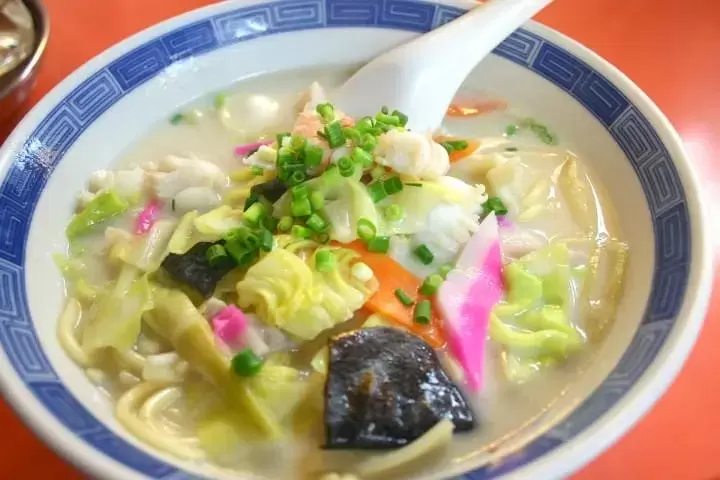
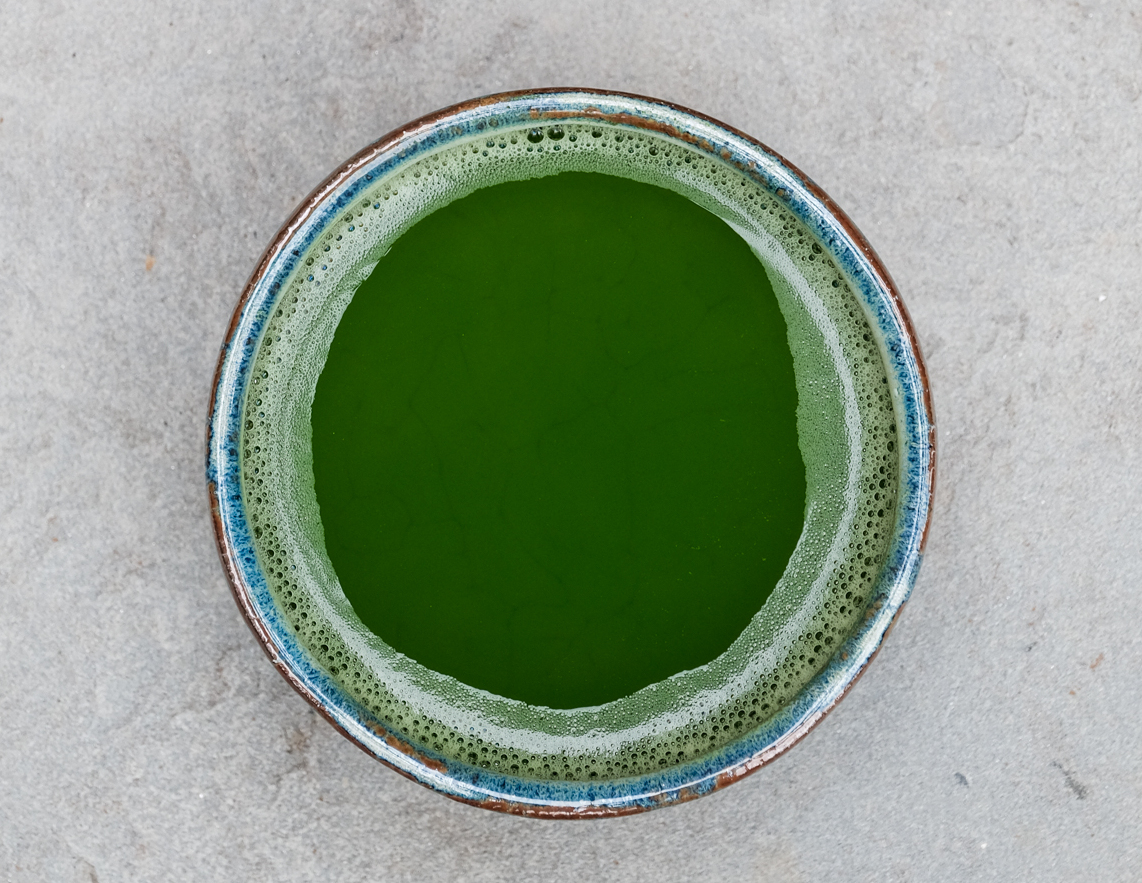
That same precision has a knock-on effect in sweets and drinks. The temperature control, balance, and texture discipline used in tea production often carry over into pastry work, which is one reason matcha sweets can feel unusually composed compared with ordinary green-tinged sugar bombs. In Japan, matcha appears in cakes, cream puffs, parfaits, and even some ramen kitchens, which sounds like a dare but is in fact a sign of just how flexible the ingredient has become. High-quality matcha is also commonly prepared as 薄茶 (usucha, thin, light style of matcha), the thin tea style most visitors encounter first. It is gentle, aromatic, and a bit less intimidating than the full ceremonial performance, which is handy for the rest of us.
The long road from tea rooms to modern cafés
Matcha’s history in Japan is often traced back roughly 800 years, to the Kamakura period, when Zen monks brought pressed and ground tea from China. Over time, it became deeply woven into Japanese tea culture and the tea ceremony, where every movement has meaning and the room can feel almost suspended. Then, as happens with many traditional foods, matcha escaped the formal room and wandered into everyday life. It now appears in cafés, bakery shelves, ice cream cabinets, and convenience store drinks, which is either cultural evolution or capitalism with a whisk, depending on your mood.
What makes matcha unusual is that it never fully stopped being ceremonial even after it became commercial. It still carries associations with restraint, concentration, and aesthetic precision, even when poured over ice and topped with foam. That tension is the point. The same ingredient can be treated as heritage in one setting and trend in another, and both can be true. If you are interested in how the flavour has been packaged for modern consumption, this look at the matcha boom is a useful companion piece, especially for understanding why matcha now fits wellness, aesthetics, and global consumer trends so neatly.
Regional producers and the places that define quality
Japan’s tea map is not static, and that matters for matcha as much as for brewed tea. Shizuoka, long associated with tea production, has seen its share of aracha production fall to about 38.6 percent as of 2024, slipping to second place behind Kagoshima Prefecture at about 40.4 percent. That ended Shizuoka’s roughly 60-year run as Japan’s top tea-producing prefecture. Even so, Shizuoka remains known for a strong emphasis on cleanliness and quality in tea production, which in tea terms is not a decorative extra. It is the thing.
For matcha specifically, Uji, south of Kyoto, is still the historical touchstone and a quality reference, especially in the global boom era. When people talk about high-grade tea in Japan, Uji tends to sit in the conversation whether you invite it or not. Meanwhile, Nara’s Yamazoe has begun a matcha harvest, with the leaves moving into the tencha process before becoming matcha, and the region is linked with Yamato-cha, the local tea tradition. If you are trying to understand where the ingredient actually begins before it becomes a glossy drink on a café menu, these production areas are where the story turns from abstract appreciation into actual agriculture. Believe it or not, that still matters.
Where to experience matcha in Japan
If you are travelling in Japan and want to experience matcha properly, you have several good routes. Tea houses and tea-ceremony venues offer the most traditional setting, where you will encounter the ritual side of the drink and, if you are lucky, a sense of hushed purpose that modern life so often lacks. Cafés and dessert shops are the more relaxed option, with lattes, parfaits, cakes, and cream puffs providing a softer entry point. Department stores and station bakeries are also worth checking, because Japan loves making good ingredients travel well. And in places such as Kyoto and Uji, matcha is practically part of the local identity, so you will find a broader range of quality and formats than in a random city chain store.
If you want a practical food-focused detour, this piece on Kyoto-Uji and the difference between real matcha and fake latte shortcuts is well worth a look. It is particularly useful if you are trying to separate genuine tea flavour from sugary approximation, which is a skill we all end up needing sooner or later.
Why matcha still matters now
Matcha matters because it manages to be several things at once: ritual drink, export success, craft ingredient, and cultural shorthand. It is more than green tea powder, and Japan has treated it that way for centuries. The modern boom has made it globally recognisable, but it has also produced confusion, especially around marketing language such as ceremonial grade, which is not an official Japanese classification. So if a tin looks posh and says the right words, that does not automatically mean it is the real article. The world loves a label; the tea trade, less so.
For learners, matcha is also useful as a cultural keyword. If you are doing matcha japanisch lernen, you are not just learning vocabulary about a drink, but a whole set of ideas around preparation, seasonality, and presentation. That is why matcha shows up so often in Japanese food culture writing: it is a simple ingredient that opens into history, language, and habit. A proper little overachiever, really.
And if you want one more angle on how Japanese ingredients travel into modern products, Beard Papa, matcha and the myth of ceremonial grade is a neat example of premium branding meeting popular dessert culture. Not always elegant, but often instructive.
Frequently Asked Questions
What is matcha made from?
Matcha is made from shaded tea leaves called tencha, which are processed and then finely ground into powder.
How is matcha different from sencha or hojicha?
Matcha is whisked from powdered leaves, while sencha, genmaicha, and hojicha are typically brewed as infusions.
Why is Uji so important for matcha?
Uji, south of Kyoto, is a historical centre and a quality reference for high-grade tea, especially in the context of the matcha boom.
Where can I experience matcha in Japan?
You can try it in tea houses, tea-ceremony settings, cafés, dessert shops, and in matcha-focused areas such as Kyoto and Uji.
Is ceremonial grade an official Japanese matcha category?
No. The term is widely used in marketing, but it is not an official Japanese classification.