
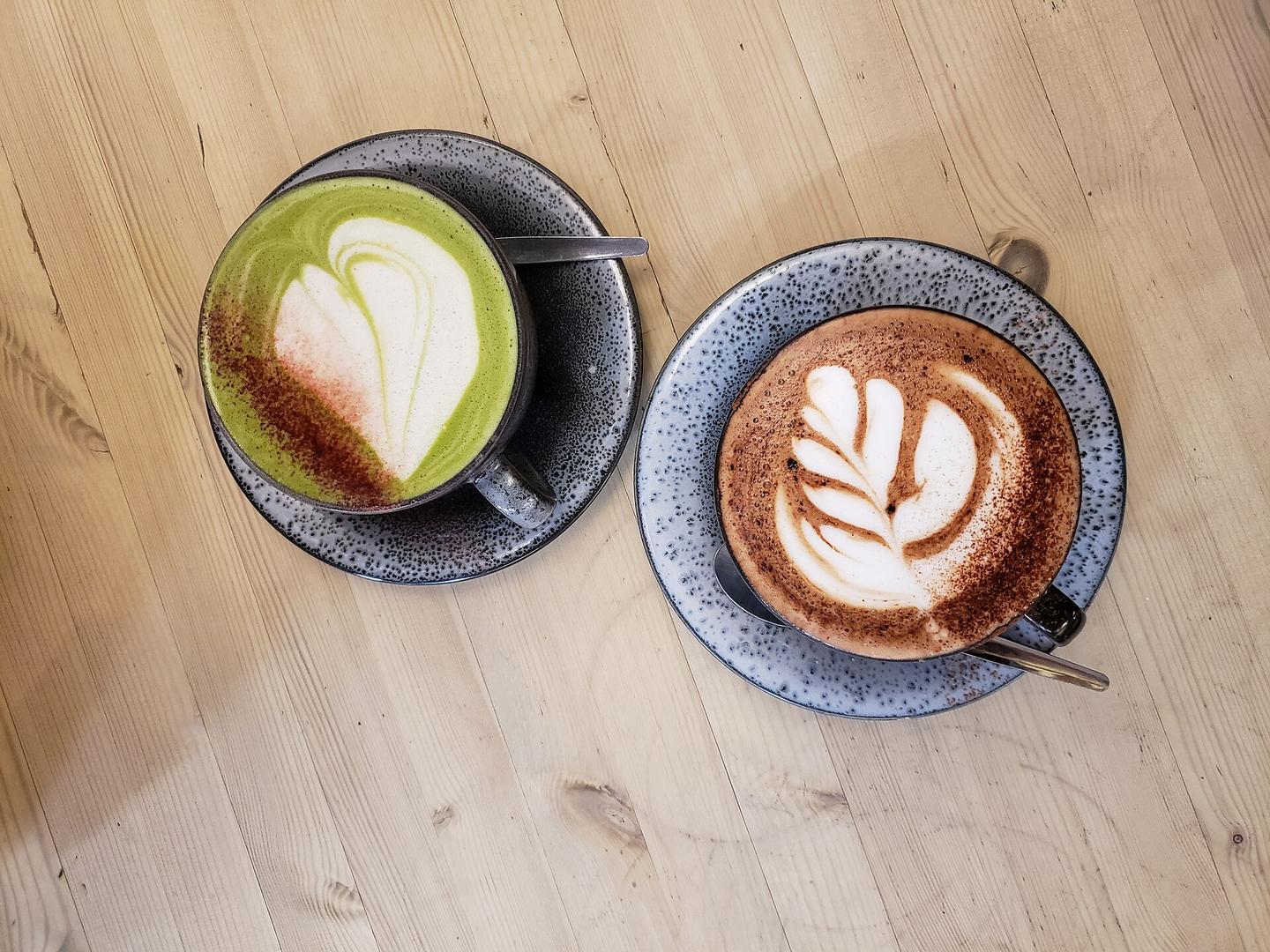
Walking into a Japanese hotel for the first time, I was nearly knocked off my feet by the precision of it all, and this place is no exception. The snacks are tidy, the flavours are bright, and the whole thing feels made for people who enjoy both a well-cut dessert and a small culinary trend with excellent posture.



Tokyo Bay Shiomi Prince Hotel has gone straight for the sweet spot this summer, and I mean that almost literally. The hotel in Koto, Tokyo, is serving a seasonal line-up that combines Yatsugatake naturals ice, 抹茶 (matcha, powdered green tea), summer fruit, and a swicy afternoon tea, which is the sort of phrase that sounds as if it was assembled by a very stylish committee with impeccable taste. And honestly, they may have been onto something.
If you like hotel sweets, this is the sort of place that rewards a detour. Shiomi itself is a calm pocket of Tokyo, close enough to the bay to feel breezy, but not so far out that you need to pack a lunch and a sense of adventure. The Tokyo Bay Shiomi Prince Hotel sits right by Shiomi Station, which makes the whole experience feel pleasantly easy. You arrive, you sit down, and the city noise seems to lower itself by a polite degree. Not bad, right?
For Japanese learners, there’s also a nice little language bonus here. Words like matcha, 夏の果実 (natsu no kajitsu) (summer fruit), and afternoon tea are already half-familiar, but hotel menus in Japan love combining familiar terms in ways that make you stop and think. Swicy, for instance, is just a neat portmanteau of sweet and spicy, and it’s become a handy shorthand in food writing. The Japanese equivalent tendency is just as playful, only usually wrapped in better presentation and a cleaner font.
Oh, almost forgot: this is also the sort of seasonal offering that tells you a lot about Japanese hotel culture. These places do not simply put out a plate of cakes and hope for the best. They build a theme, choose a colour palette, and then make the whole afternoon feel like it has a plot. Properly Japanese, in other words.
Yatsugatake Naturals Ice and the Summer Dessert Line-up
The star of the cold side is Yatsugatake naturals ice, which comes with a little more romance than ordinary ice cream and a little less air than the mass-produced stuff you get when a freezer has given up on life. Yatsugatake, for those who like a bit of geography with their sugar, refers to the mountain area in Yamanashi and Nagano, and the region is well known for dairy products, fresh air, and the sort of landscape that makes anything described as naturals feel immediately more virtuous.
The hotel uses that base for a summer dessert selection built around matcha and fruit. Matcha brings its usual earthy bitterness, the kind that keeps desserts from collapsing into pure sweetness, while summer fruit adds lift. Think peach, melon, mango, maybe a berry or two if the chef is feeling organised. It’s a very Japanese balancing act, really: bitter, sweet, cold, fragrant. The sort of thing that makes you feel mildly sophisticated while eating ice cream, which is a nice trick if you can pull it off.
Matcha and Summer Fruit: A Very Japanese Pairing
Matcha with fruit is hardly shocking in Japan, but it’s still one of those combinations that makes perfect sense once you taste it. The green tea flavour carries a grassy depth, and the fruit brightens it without turning the dessert into a sugar bomb. I especially like that the pairing doesn’t try to be loud. It’s confident enough to let the matcha do the talking, then lets the fruit make a tasteful entrance afterwards. A tiny drama. A tasteful one.
And if you’re learning Japanese, this kind of menu is brilliant vocabulary material. You’ll see terms like 生 (nama) (fresh), フルーツ (furuutsu) (fruit), and matcha everywhere, from cafes to hotel sweets to convenience-store puddings that have no right being that good. Japanese food culture loves seasonality, and summer is when fruit really gets to strut. The best part: the hotel is using those seasonal cues in a way that feels current without being fussy. Sounds good, right?
Swicy Afternoon Tea at Tokyo Bay Shiomi Prince Hotel
Take the afternoon tea, for instance. On the flip side of the cold desserts, the hotel’s swicy theme leans into that sweet-and-spicy combination which has been turning up in everything from snacks to sauces to the sort of desserts that make your eyebrows rise and then, annoyingly, your hand reach for another bite. I’m not special. I’m not particularly talented at anything, but I do know when a trend lands because the flavours actually make sense, and this one does.



The hotel describes the afternoon tea as swicy, and that means you should expect sweet pastries alongside savoury or gently spicy elements, rather than a tray of desserts screaming for attention. That restraint matters. Japanese afternoon tea often works best when the sweets are elegant and the savoury items are precise little interruptions, not competing empires. You get an overall rhythm, not just a pile of things with ribbons around them. The result is more polished than gimmicky, which is exactly why I’d go.
Trust me on this one: the setting matters almost as much as the menu. Hotel afternoon tea in Tokyo has become a proper scene, but Shiomi has the advantage of feeling slightly calmer than the more obvious luxury zones. You’re not elbow-to-elbow with the entire city, and the bay area mood gives the whole thing a softer edge. That’s useful when you’re drinking tea and contemplating whether you need one more petit four. You do, by the way. You absolutely do.
My tip: if you go for the tea, give yourself time to enjoy the details. Japanese hotel sweets often hide their best work in the smallest element, a jelly layer, a citrus glaze, a dusting of powder, a crisp shell. It’s never just about “dessert” in the abstract. It’s about texture, temperature, and how the second bite changes your opinion. That’s where the fun is.
Here’s the kicker: seasonal hotel menus like this are a useful window into contemporary Japan, because they show how global trends get filtered through local taste. Swicy is an imported idea, but the execution is unmistakably Japanese, neat, restrained, and just self-conscious enough to be charming. Convinced yet?
Why This Shiomi Hotel Food Hook Works So Well
What I especially like about this Tokyo Bay Shiomi Prince Hotel offering is that it doesn’t try to be everything at once. It has a concrete place, a clear seasonal angle, and a couple of flavour combinations that actually fit together. Yatsugatake naturals ice gives it an upscale, regional base. Matcha and summer fruit give it colour and seasonality. Swicy afternoon tea gives it a slightly modern wink. Put those together and you’ve got something that feels current without being embarrassing, which is rarer than it should be.
There’s also a nice travel-side appeal here. If you’re staying in Tokyo for a few days, a hotel like this gives you a reason to move beyond the usual food circuit of ラーメン (ramen, ramen noodles), 豚カツ (tonkatsu, breaded pork cutlet), and whatever your friend swore was the best sushi of their life. Tokyo hotel sweets are part of the city’s rhythm, and the good ones can be destinations in their own right. This is my absolute hidden gem! Well, not hidden exactly, but definitely less shouted-about than it deserves to be.
And that, really, is the charm. You get a proper location, a seasonal menu, and a food trend that has enough sense to survive contact with an actual pastry chef. If you’re building your Japan food itinerary, or just collecting Japanese vocabulary that appears on menus before it appears in textbooks, this is an easy win. Sounds weird, but it's true.
That reminds me: hotel food in Japan often teaches you a lot about how the country handles novelty. It usually doesn’t barge in. It arrives neatly plated, seasonally timed, and with good manners. Then you taste it, and suddenly the whole thing makes sense. That's really what this Tokyo Bay Shiomi Prince Hotel menu is doing, and I’d happily sit down for it myself. more Japan news on jpnerd.com
Frequently Asked Questions
Where is Tokyo Bay Shiomi Prince Hotel?
It is in Shiomi, Koto, Tokyo, near Shiomi Station.
What is Yatsugatake naturals ice?
It is a premium-style ice cream or gelato made with a regional image of freshness and dairy quality from the Yatsugatake area.
What does swicy mean?
It means a sweet-and-spicy flavour combination.


