
And if you’ve ever studied Japanese through films, this is one of those lovely little moments where travel, language, and fandom meet in the same place. Classic Japan, isn’t it?


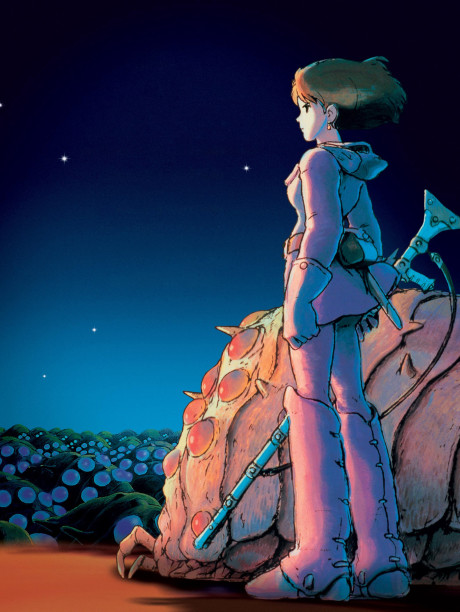
Ghibli Park in Nagoya is adding another reason to make the trip to Aichi, and this one comes straight from one of Studio Ghibli’s most beloved films. A new area inspired by Nausicaa of the Valley of the Wind is being planned, and the most interesting part is that it’s expected to be an indoor facility. For fans, that means more than just another themed corner. It means a space where the atmosphere of Miyazaki’s 1984 classic can be built carefully, room by room, away from weather, crowds, and the usual theme-park rush.
Let me show you why this matters. Ghibli Park, which opened in stages inside Expo 2005 Aichi Commemorative Park in Nagakute, near Nagoya, already works differently from a normal amusement park. There are no giant roller coasters here, no loud parade floats blasting music every ten minutes. Instead, you get slow walking paths, detailed environments, and the feeling that the park wants you to notice small things, like a sign, a corner, a texture, or a sound. The new Nausicaa area sounds like it’ll fit that spirit perfectly. And for Japan fans, that kind of patience is part of the reward... you look longer, and you notice more.
Ghibli Park in Nagoya keeps growing
Ghibli Park is already a very specific kind of destination. It sits in Nagakute, on the eastern side of the Nagoya area, and it opened in phases starting in 2022. The park is often described as the world’s only Studio Ghibli theme park, and that alone makes it worth keeping an eye on. It’s built inside the large Expo 2005 Aichi Commemorative Park, so the setting itself feels spacious and green rather than tightly packed.
Here’s the thing: because the park isn’t trying to be flashy, each new addition feels more important. When a new area is announced, it doesn’t just mean “one more attraction.” It means another chance to see how a Ghibli story can be translated into physical space. And with Nausicaa of the Valley of the Wind, there’s a lot to work with. The film is full of wind, ruined landscapes, machines, forests, insects, silence, and that strange balance between danger and hope. Try turning that into an indoor walk-through space and you start to see why fans are already excited.
By the way, if you’re learning Japanese, Ghibli Park is also a nice reminder of how place names appear in daily media coverage. You’ll see Nagoya, Aichi, and Nagakute again and again, and that repetition helps those names stick. Take Nagoya, for instance. You may first know it as a big city between Tokyo and Osaka, but for many travellers it becomes the gateway to slower, less obvious trips. I’ve always liked that about central Japan. It rewards the people who look a little farther. Personally... that’s my kind of travel.
The Nausicaa of the Valley of the Wind area explained
Fun fact: Nausicaa of the Valley of the Wind is one of those titles that keeps coming up in conversations about Studio Ghibli, even though the film came out before Ghibli was officially established as a studio. It was released in 1984, directed by Hayao Miyazaki, and it remains one of his most admired works. The story follows Nausicaa, a princess trying to protect life in a world shaped by environmental collapse, conflict, and strange ecosystems. It’s post-apocalyptic, but it never feels cold. That mix of melancholy and compassion is exactly why people keep returning to it.
The best part is that an indoor facility gives the park room to build atmosphere with care. That matters a lot for a film like this. You can imagine dimmer spaces, detailed exhibits, maybe model work, maybe immersive environments that echo the Sea of Corruption or the fragile, wind-swept world around the Valley. Nothing has been fully revealed yet, so there’s still some mystery here, and honestly, I think that’s good. Some of the best hidden spots in Japan work because they don’t hand you everything at once.
Why fans are reacting so strongly
For long-time Ghibli fans, Nausicaa isn’t just another title in the catalogue. It’s foundational. It helped define Miyazaki’s themes: nature versus greed, flight, loss, resilience, and quiet courage. So when a park built around Studio Ghibli adds a Nausicaa area, it feels like a deep cut finally getting the space it deserves. And because the new facility is planned indoors, it could become one of the most carefully staged parts of the park, especially if the design leans into storytelling rather than spectacle.
Speaking of which... this is also a gift for repeat visitors. Ghibli Park is the kind of place people return to, not just because they missed something the first time, but because it changes the way you move through it. You slow down. You start noticing the materials, the signs, the little references tucked into the scenery. If you know a bit of Japanese, that makes the visit even better. Words like 世界 (sekai) (world), 風 (kaze) (wind), 森 (mori) (forest), and 森林 (shinrin, woods; forest) (woods) aren’t just vocabulary lists here. They’re part of the feeling the park is trying to build. See what I mean?
What this means for your next Nagoya trip
On a related note: Nagoya is already a very practical base for exploring central Japan, and Ghibli Park gives it a lovely extra layer. You can pair a park visit with time in the city itself, then keep going to places like Ise, Takayama, or the old post towns of the Nakasendo if you want to stretch the trip. But even if you stay local, the area has its own rhythm. It is less frantic than Tokyo, less obviously touristy than Kyoto, and that can be a real advantage.
My tip: if you’re planning around the park, give yourself enough time. Ghibli Park isn’t a “rush in, tick a box, leave” place. It rewards a slower mood, and that is especially true for a new Nausicaa facility where the details will probably matter just as much as the headline. If you’re learning Japanese, this is also a great chance to practise real-world reading: signs, exhibit labels, ticket information, and place names. It’s one thing to study vocabulary on an app, but it’s another to see it used in an actual travel setting. And that little shift can be huge.
And it gets better: because Ghibli Park keeps expanding, it becomes easier to plan a return trip rather than trying to “do everything” in one go. That is very Japanese travel in the best ways, really. The more you know, the more you notice, and the more you notice, the more the place opens up. You don’t need to catch every detail on day one. You’ll eventually find your own Japan, little by little, and sometimes it starts with a new indoor Nausicaa space in Nagoya.
Frequently Asked Questions
Where is Ghibli Park located?
Ghibli Park is in Nagakute, near Nagoya, inside Expo 2005 Aichi Commemorative Park.
What is the new area based on?
The new area is inspired by Nausicaa of the Valley of the Wind, the 1984 film directed by Hayao Miyazaki.
Is the new Nausicaa area indoors?
Yes, the new facility is planned as an indoor space, which should allow for more detailed and immersive design.

