Hanami in sacred spaces: calm, culture and context
Imagine a narrow alley in Tokyo opening onto a small shrine courtyard where petals float like snow. What many overlook is that those same courtyards and temple gardens host centuries-old trees and a different kind of hanami vibe than Ueno Park or the Meguro River. Take convenience, for instance: you’ll often have tram or subway stops within a 10 to 20-minute walk, yet feel an instant drop in volume and a rise in atmosphere.
That brings us to why this matters for learners and Japan fans, not just tourists. Temples and shrines anchor vocabulary and culture. You can practice words like hanami and , learn shrine verbs like , dwarf trees that bloom about two weeks later than the city's earliest cherries. Founded in 888, visitors often report much smaller crowds around the Omuro grove than at famous public parks. Sounds good, right?

Ninna-ji, Kyoto
Here's the kicker ( those compact trees create a full-bloom carpet at a human scale, perfect for slow study and photography. Ninna-ji often runs a special admission window during peak bloom, so you can plan visits. Local guides will tell you the Omuro trees tend to peak in mid to late April, depending on the year. Convinced yet?
Daigo-ji, Kyoto
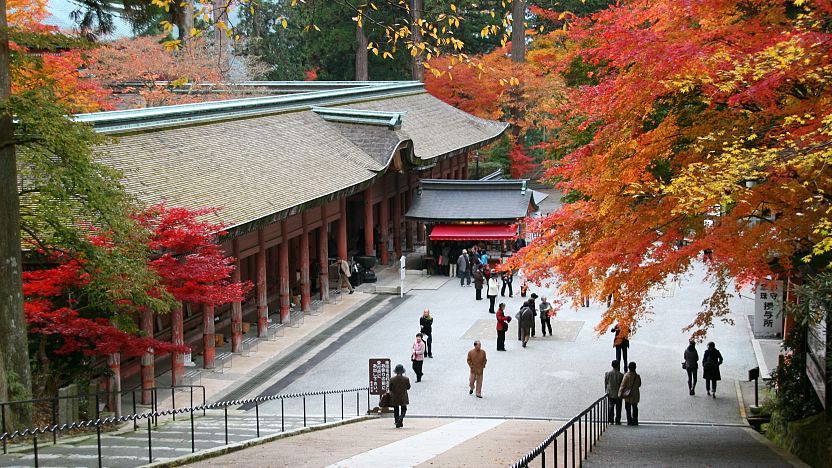
The first time I went to Japan, I remember standing near Daigo-ji's five-story pagoda, petals falling like confetti around the wooden eaves. Daigo-ji, with its Heian-period connections and vast temple grounds, has pockets of trail-side solitude where you can sit quietly and read up on historical terms. Hand on heart, if you want scenic depth and fewer loud groups, Daigo-ji delivers.

Nezu Shrine, Tokyo
What many overlook is that Tokyo has secret sakura pockets too. Nezu Shrine in Bunkyo is compact, early-bloom friendly, and the shrine's approach lined with torii and cherry trees makes for calm wandering. Before I forget, Nezu is also known for seasonal azaleas later in spring, so a combined visit rewards learners with multiple seasonal vocab lessons and photo ops. Sounds weird, but it's true.



How to hanami respectfully in holy places
Let me show you why etiquette matters more at temples and shrines than in public parks. These are functioning religious sites, with priests, worshippers, and rituals. That means no loud music, no sprawling tarps, and if there's a sign asking you to remove your shoes or keep to a path, follow it immediately.

Hand on heart, my tip is to arrive early, bring a reusable bottle, and keep snacks modest and packable. If you want to practise Japanese, try reading a plaque or asking a staff member a simple question. Use polite forms like and in your notebook while you sit under a tree. Classic Japan, isn’t it?
Frequently Asked Questions
Can I have a picnic at temples and shrines?
Short answer: It depends on the site. Small, quiet snacks are usually okay, but avoid large parties and check signs or staff. Respect the space.
When is the best time for quiet hanami?
Short answer: Early mornings on weekdays, and the two-week window after the main city bloom for Omuro-style trees in Kyoto.