
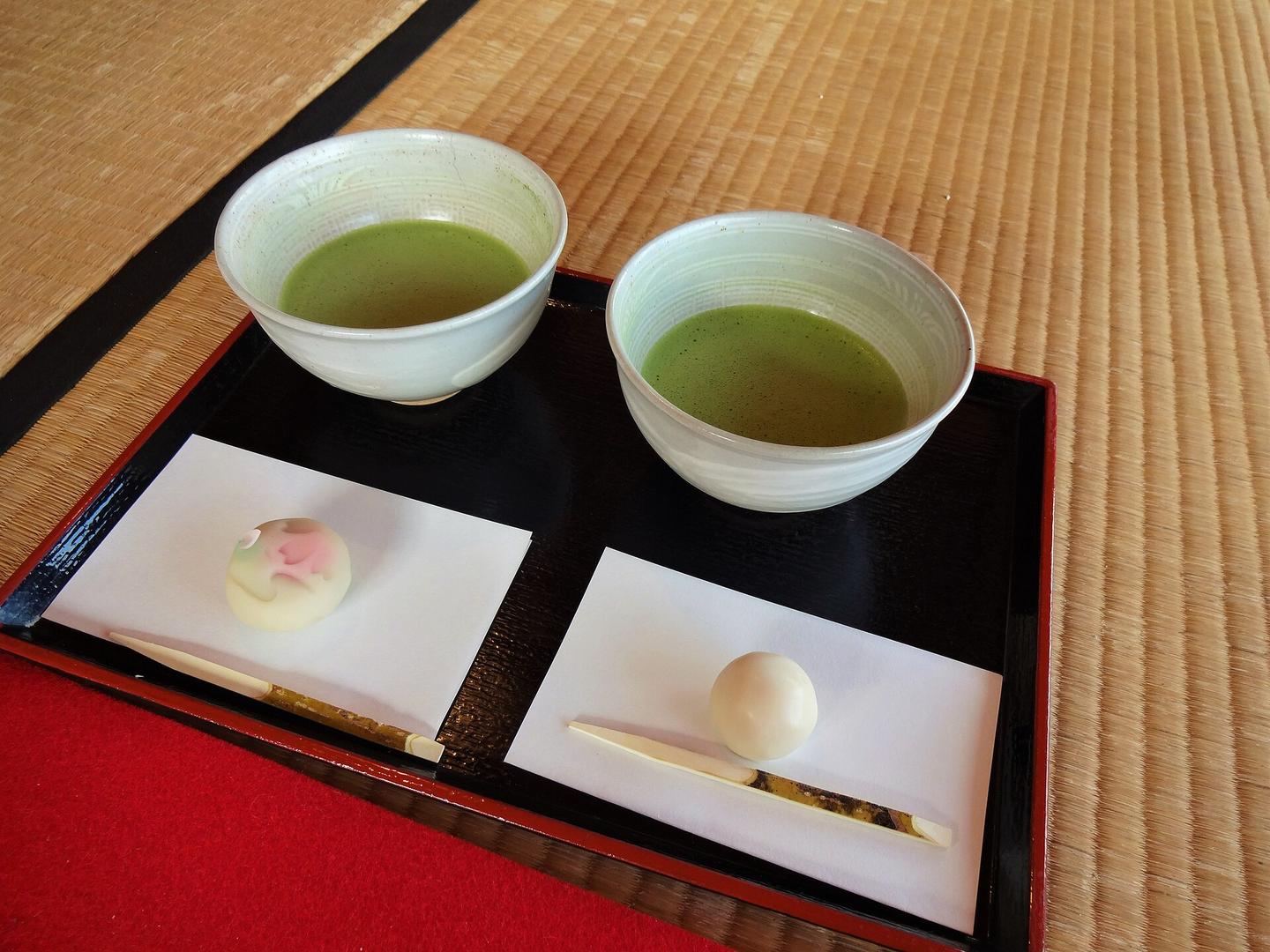
nana's green tea is marking 25 years with 抹茶 (matcha, green tea powder; matcha) specials, and this is exactly the kind of anniversary campaign that makes Japan food news fun to follow. If you like matcha, or you're learning Japanese and want a reason to remember words like 美味しい (oishii, delicious) and watashi no おすすめ (osusume, recommendation; recommended), this one's got plenty to chew on. The chain is using its anniversary to spotlight premium matcha in a more indulgent way than usual, and the prices tell you right away that this isn't everyday convenience-store territory. Wild, isn't it?
Before I forget: this campaign matters because nana's green tea has built its name on a very specific style of Japanese café dining. It's not just tea, it's matcha lattes, parfaits, cakes, and desserts that feel modern but still taste recognisably Japanese. The company has spent 25 years turning matcha from a simple cup of green tea into a full dessert language, and that's a big part of why the brand has such a loyal following. Trust me on this one: once you start noticing how Japanese cafes layer bitterness, sweetness, and texture, you can't unsee it. Wait, there's more.
nana's green tea and the 25th anniversary menu
The 25th anniversary campaign centres on premium matcha specialties, with one featured item priced at 2,000 yen. That price point puts it in celebration territory, not casual snack territory, and that's the point. Japanese cafe chains often use anniversaries to test a more luxurious side of the menu, and nana's green tea is leaning into that idea with a dessert that feels like a one-off event rather than a standard seasonal item. Speaking of which, that's also how brands create buzz in Japan, where limited-time items can sell out fast and become the subject of social media posts within hours.
What most people don't know: in Japan, a 2,000-yen dessert isn't shocking if it comes with premium ingredients, careful presentation, and a strong seasonal theme. For matcha fans, the real attraction is usually the balance, because good matcha should taste bitter, grassy, and clean, not just sugary. My tip: if you ever order a matcha dessert in Japan, pay attention to whether the sweetness supports the tea or hides it. That small detail says a lot about the cafe's style. My verdict: nana's green tea clearly wants this anniversary to feel special, not gimmicky.
The appeal of premium matcha
Compared to back home, Japan's dessert culture treats tea as a flavour with status, not just a health drink. Premium matcha carries a story, from cultivation and shading to stone-grinding and careful whisking, and that story is part of the price. A 2,000-yen product can make sense when it uses stronger, fresher matcha that would be wasted in something too sweet or too simple. To be fair: if the tea itself is the star, the dessert should stay out of the way and let it shine. That's probably why this anniversary product is getting attention from both foodies and matcha regulars. Personally...
Summer dessert season at nana's green tea
And it gets better: the anniversary timing lands right in summer dessert season, when Japanese cafes start pushing cold sweets, shaved ice, parfaits, and chilled drinks. That matters because matcha changes character when it's served cold. A cold matcha dessert can feel sharper, fresher, and less heavy, which makes it perfect for humid Japanese summers. If you've ever stepped out of a train station in Tokyo in July, you already know why that matters. The heat is no joke.
For Japan fans, this is also a nice little vocabulary moment. The word for summer is 夏 (natsu), and seasonal limited items are often described as 旬 (shun, in season; peak season) or 季節 (kisetsu) no aji in everyday conversation. When a cafe launches a summer dessert, it isn't just selling sweetness, it's selling a moment in the calendar. That's very Japanese, really. The first time I went to Japan, I was surprised by how seriously stores and cafes treat seasons, even for dessert. Classic Japan, isn't it?
Oh, almost forgot: nana's green tea has long been associated with approachable matcha sweets, so this 25th anniversary move feels like a natural next step. Instead of simply repeating the usual menu, the brand is using its milestone to offer something more premium and a bit more memorable. If you're planning to visit Japan, or you live there and want a cafe treat that feels celebratory, this is the sort of limited-time release worth watching. Not bad, right?
What Japanese learners can take from this release
For language learners, food news like this is useful because it gives you real context for everyday Japanese. Words like matcha, kissa, satoi, and kisetsu show up constantly in menus, reviews, and social posts. If you're reading Japanese cafe menus, you'll also see price labels, seasonal markers, and dessert names that blend Japanese and English in a very natural way. That's why food news is such a good study tool, because it teaches you how Japanese feels in the wild, not just in textbooks.
Picture this: you're in a cafe in Japan, you see an anniversary dessert with matcha, and you want to ask if it's worth the price. A simple phrase like kore wa osusume desu ka can go a long way. Add a little curiosity about ingredients, and you'll sound much more engaged. My tip: keep a note on your phone with useful cafe words, then update it every time you see a seasonal menu. You'll learn faster than you think. Wait, there's more.
For jpnerd.com readers, the bigger takeaway is simple. nana's green tea is not just celebrating 25 years, it's showing how Japanese brands use anniversaries to reinforce identity, pricing, and seasonal appeal all at once. Premium matcha, a 2,000-yen product, and a summer dessert may sound like a small menu story, but together they tell you a lot about modern Japanese cafe culture. If you want more updates like this, check out more Japan news on jpnerd.com.
Frequently Asked Questions
What is nana's green tea celebrating?
The brand is celebrating its 25th anniversary with special matcha-focused products.
What is the most notable anniversary item?
The headline product is a premium matcha item priced at 2,000 yen.
Why does this news matter to Japan fans?
It shows how Japanese cafes use seasonal and anniversary items to highlight premium ingredients and create excitement.


