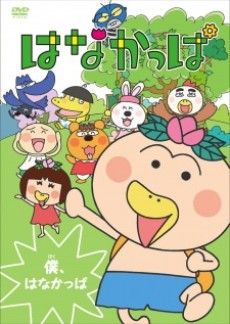
Hanakappa is celebrating its 17th broadcast year, and that alone says a lot about how deeply this TV anime has settled into Japanese children’s culture. The birthday project begins on 7 August, and it’s being driven by momokappa P, the person behind the current fan initiative.


Know that feeling when a children’s show quietly becomes part of everyday life, then suddenly you realise it’s been running for more than a decade and a half? That’s Hanakappa for you. The series has stayed visible across school-age childhood, after-school TV habits, and family viewing routines, which is no small feat in Japan’s crowded kids’ media landscape. Compared with back home, where many animated shows burn bright and disappear fast, Japan still has room for long-running character brands that keep growing with each new generation. That’s why this anniversary is more than a birthday post, it’s a neat case study in how a character world stays alive. See what I mean?
What I especially like is that the anniversary isn’t being handled as a vague celebration. It has a clear date, a clear organiser, and a fan-facing angle. Before I forget: the project is tied to 7 August, and the promotional message is designed around a birthday celebration for Hanakappa. For learners of Japanese, this is also a handy reminder that fan culture often uses words like 記念 (kinen, anniversary; commemoration) for memorial or anniversary projects, プロジェクト (purojekuto, project) for project, and 応援 (ouen, support; cheering on) for support. Those terms show up constantly in event announcements, merch pushes, and character campaigns. My tip: once you start noticing them, Japanese PR copy becomes much easier to read.
Why Hanakappa Still Matters in Japanese Kids’ Culture
Plot twist: a flower-headed children’s character can teach you a lot about the Japanese media ecosystem. Hanakappa is a long-running TV anime, and longevity matters here because children’s programming in Japan often builds trust through repetition, time slots, and recognisable characters. Parents know the character, kids inherit it, and the show keeps living through books, goods, and seasonal campaigns.
The 17th broadcast year is the key fact. In Japanese entertainment, reaching that kind of milestone means the brand has survived changes in viewing habits, new character trends, and the constant churn of children’s attention. Take Pokemon for instance. It has anniversary waves, character goods, special campaigns, and brand nostalgia rolled into one. Hanakappa works on a smaller scale, but the logic is similar: keep the character visible, give fans a reason to participate, and turn the calendar into a celebration.
And it gets better: this is exactly the kind of topic that Japan fans often overlook until a campaign pops up on social media or a press release lands in the feed. A show like Hanakappa isn’t just “for kids.” It’s part of the rhythm of Japanese family life, especially in the way character media crosses from TV into toys, stationery, and event tie-ins. Wild, isn’t it? Personally, I think that’s one of the most charming parts of Japanese pop culture. But that’s not all.
What Happens in the 7 August Birthday Project
The birthday project launched on 7 August as a fan action tied to Hanakappa’s anniversary year, with momokappa P at the centre of the initiative. That detail matters, because Japanese character events often work best when there’s a visible organiser or spokesperson making the campaign feel personal. It’s not just a corporate banner. It’s a birthday project with a human face.
Here’s the catch: many anniversary campaigns in Japan rely on layered participation. First comes the announcement, then social media engagement, then a small but active wave of fan responses, and finally the campaign goods or prize distribution. In this case, the press materials point to a birthday celebration and related fan actions, including a present campaign that was also shared via the official X account, hanakappa_PR. That kind of rollout is very familiar in Japan, where a character birthday isn’t just a date on a calendar. It becomes a mini-season.
Take note of how practical this is for learners. If you see words like プレゼントキャンペーン (presento kyanpeen, giveaway campaign) in Japanese marketing, it means a giveaway or prize campaign, not a birthday gift in the personal sense. That small distinction helps a lot when reading announcements. Quick detour: Japanese promotional writing loves short, punchy phrases, so the wording is usually easy enough to grasp once you know the standard pattern. Personally...
momokappa P and the Fan-First Approach
Imagine a narrow alley in Tokyo. One shop has a tiny display of character goods, another plays a children’s theme song, and somewhere a parent is buying a birthday item that’ll matter to a child for exactly one week. That is the kind of atmosphere these campaigns live in. They work because they’re specific, seasonal, and emotionally legible.
momokappa P’s role in the Hanakappa birthday project is a good example of how Japanese fan initiatives often blur the line between promotion and affection. The project isn’t framed as a giant corporate milestone, even though the series has been on air for 17 years. Instead, it feels like a warm, controlled celebration with room for fan participation. That tone is important. Japan’s character culture often depends on 可愛い (kawaii, cute) presentation, but also on precision. The date matters. The message matters. The organiser matters.
Compared with many Western anniversary campaigns, which can lean heavily on nostalgia, Japanese ones often add a participatory layer. Fans are invited to reply, share, win, collect, or simply acknowledge the milestone in public. That creates a sense of shared celebration. My tip: when you study Japanese through pop culture, watch how often campaigns use familiar verbs like 当たる (ataru, to win; to be selected) for winning, ouen for support, and kinen for anniversary framing. Those words appear everywhere, from anime events to regional mascots. Sounds weird, but it’s true.
Before I forget: if you enjoy tracking Japan news through a language lens, this is exactly the sort of story that rewards close reading. You get character culture, media continuity, and real-world campaign vocabulary in one package. And because Hanakappa is a children’s brand, the whole thing stays friendly, light, and easy to follow. See what I mean?
Frequently Asked Questions
What is Hanakappa celebrating?
Hanakappa is marking its 17th broadcast year with a birthday project and fan campaign.
When did the birthday project begin?
The project started on 7 August.
Who is leading the initiative?
The fan-led birthday project is being organised by momokappa P.