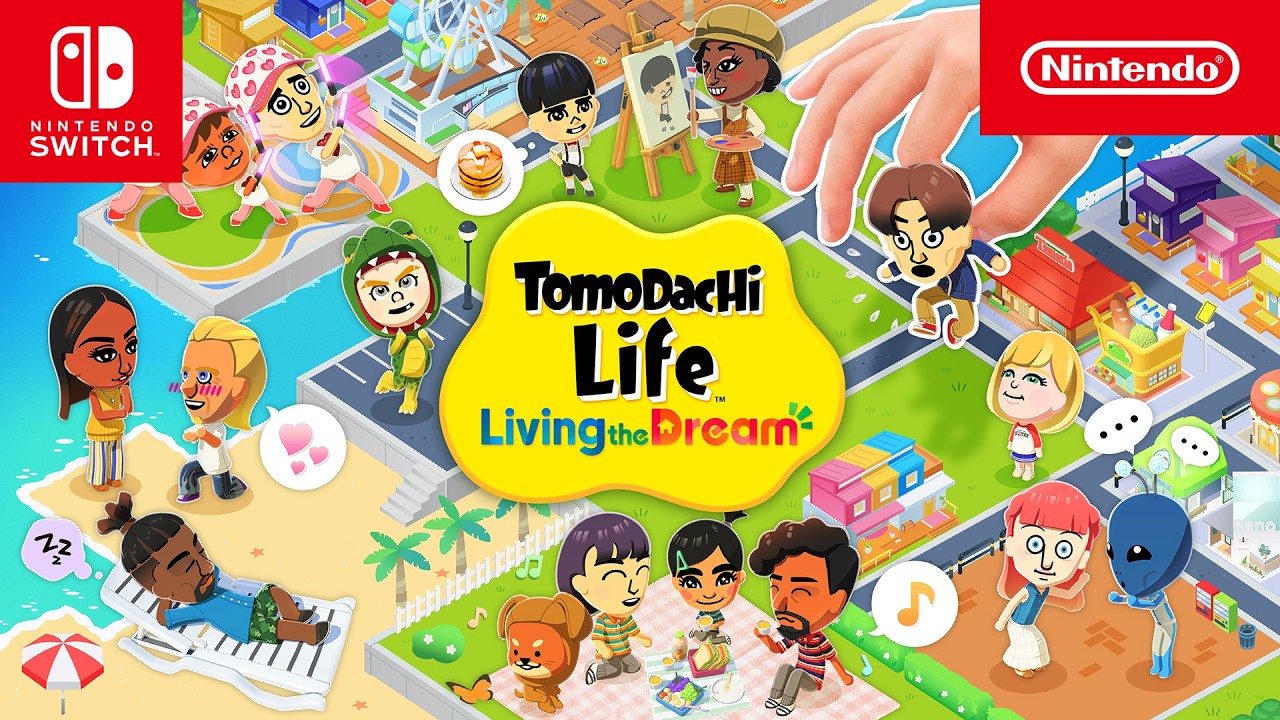
What looks like a cute Mii toybox is turning into a retro Nintendo story with fresh VTuber energy, and that mix is exactly why jpnerd readers should pay attention.

Guess what? 友達 (tomodachi, friend) Collection: わくわく (wakuwaku, excited anticipation) Life is having a real comeback moment, and it doesn’t feel random at all. The series has always lived in that strange, lovable space between life sim, comedy sketch, and social experiment, but now it's being re-read through a modern lens, especially by VTuber fans and younger Nintendo players who never touched the original DS-era hype.
The reason is simple: the game speaks in memes before memes were even the point. Mii characters argue, confess, flirt, sing, and act completely absurd, and that kind of digital chaos fits perfectly with short-form video culture. My tip: if you want to understand why Japan fans are reacting so strongly, don't think of it as a normal sim. Think of it as a scripted nonsense generator with just enough emotion to make people care.
Take the original video source for instance. The discussion around Tomodachi Collection: Wakuwaku Life has been pushed by a very specific mix of nostalgia, social media visibility, and VTuber culture. That’s a powerful combo, because VTubers already live in a format where personality, performance, and viewer interaction matter more than polished realism. Tomodachi games do the same thing in a clunkier, older, and somehow even funnier way. Sounds weird, but it's true.
Why Tomodachi Collection still works in 2026-style fandom
What most people don't know: the charm of Tomodachi Collection was never just the gameplay loop, it was the social theatre. On Nintendo hardware, especially the Nintendo DS and later 3DS, players built tiny communities out of Mii avatars, then watched them create drama out of thin air. A character would suddenly sing an embarrassing song, fall in love with the wrong person, or complain about food in a way that felt way too human. That unpredictability made the series perfect for sharing.
Seriously though: that shareability matters now more than it did in the handheld era. Back then, a funny moment stayed in your friend group. Now, one screenshot or clip can travel across X, YouTube Shorts, and TikTok in minutes. Nintendo's tweet about the new attention grabbed 403K likes, which is a huge signal that the brand still has enormous emotional reach when it leans into an older, stranger IP. Fans aren't just liking a product update, they're liking a memory.
What many overlook: the 3.8 million copy figure tied to the series is a reminder that this was never niche in the way some retro fans like to imagine. That's a serious audience for a game that looks like a toy box full of oddball avatars. It also explains why a new wave of interest can feel so explosive. Once a series with a built-in identity gets rediscovered, the internet does what it always does, it amplifies the weirdest and funniest parts first.
For Japanese learners, there is a neat side benefit here. The series is packed with everyday Japanese flavour, even when you only see it through fan discussion. Words like 内 (uchi, home; in-group space), tomodachi, and wakuwaku carry a very specific feeling. Uchi suggests home or in-group space, tomodachi means friend, and wakuwaku is that excited buzzing feeling you get before something fun. That's basically the whole emotional engine of the series in three words. Not bad, right?
The VTuber wave gives Tomodachi Collection new life
Know that feeling when a game suddenly makes sense because a whole new fandom adopts it? That's what's happening here. VTubers thrive on audience participation, improvised reactions, and character-driven storytelling, so Tomodachi Collection and Tomodachi Life fit them unusually well. Viewers love seeing a virtual cast behave badly, fail at romance, or sing in a way that is both cute and deeply cursed. That same tension keeps clips circulating.
Speaking of which... VTuber culture also changes how people discover old Nintendo titles. A streamer doesn't need to explain the whole series history in order for an audience to get hooked. One ridiculous Mii interaction is enough. The format is fast, visual, and endlessly remixable, which makes it ideal for a revival rooted in comedy rather than prestige. Nintendo has hit that sweet spot before with Animal Crossing and Splatoon, but Tomodachi's energy is different, more awkward, more personal, more of an inside joke.
What I especially like: Tomodachi games don't try to look cool. They lean into the tiny disasters of ordinary life, and that's a very Japanese kind of comedy in its own way. Not the polished punchline style, but the quiet embarrassment, the gap between appearance and feeling, the moment when a cheerful scene turns absurd. That is part of why the series keeps resurfacing. It feels like a digital お守り (o-mamori, protective charm) for people who like gentle chaos.
While we're at it: the revival also says something about Nintendo's current identity. Big blockbuster series will always matter, but the company still has room for oddball software that becomes culturally sticky. Tomodachi Collection: Wakuwaku Life may not be the loudest title in the catalogue, yet it has the sort of personality that sticks to people. And once a game becomes a meme machine, the fandom does half the marketing for free. Highly recommended if you enjoy Japan's playful side.
What this revival means for Japan fans and learners
From my experience, this is the kind of Nintendo story that teaches you how Japanese pop culture actually moves. A title does not need to be the newest or prettiest thing on the shelf. It just needs a clear identity, a strong emotional hook, and the right cultural moment. Tomodachi Collection has all three right now, because retro appeal and VTuber culture are feeding each other instead of competing.
If you're learning Japanese, this is a great moment to pay attention to the vocabulary around friendship, emotions, and daily life. These games are full of small, conversational expressions that show up again and again in anime, streams, and real-life Japanese conversation. Even watching fans talk about the game can help you notice how often Japanese culture returns to themes like connection, embarrassment, and personal space. That makes the series more than a nostalgia item. It becomes a living language lesson with jokes attached.
My verdict: Tomodachi Collection: Wakuwaku Life has not just aged well, it has found a new audience that understands its weirdness instantly. The 3.8 million copy mention, the 403K likes on Nintendo's tweet, and the VTuber wave all point in the same direction, this revival has real momentum. If Nintendo keeps listening to that energy, we may be looking at one of its smartest retro resurgences in years. more Japan news on jpnerd.com
Frequently Asked Questions
What is Tomodachi Collection?
It is a Nintendo life simulation series built around Mii characters and bizarre, funny social interactions.
Why is the series popular again?
Nostalgia, VTuber attention, and social media clips have made its strange humour feel fresh again.
Is this useful for Japanese learners?
Yes, because the game and its fan discussions often reflect everyday Japanese words and social expressions.